hip pain icd 10 mastering accurate diagnosis coding essentials
Table of Contents
- Understanding ICD-10 Codes for Hip Pain: Classification and Coding Basics
- ICD-10 Coding System Overview and Its Role in Hip Pain Diagnosis
- ICD-10 Code Comparison Table for Common Hip Pain Conditions
- Process of Assigning ICD-10 Codes for Hip Pain in Clinical Settings
- Breakdown of Hip Pain Conditions Mapped to ICD-10 Codes
- Common Conditions Causing Hip Pain and Their ICD-10 Coding Framework
- Top 10 Common Conditions Associated with Hip Pain and Their ICD-10 Codes
- Osteoarthritis of the Hip (M16): Pathophysiology, Risk Factors, and Laterality Coding
- Differentiating Hip Fractures: Femoral Neck (S72.0) vs. Intertrochanteric (S72.1)
- Diagnostic Procedures and ICD-10 Coding Implications for Hip Pain
- Role of Diagnostic Imaging in ICD-10 Code Selection
- Common Diagnostic Procedures, ICD-10 Procedure Codes, and Diagnostic Correlations
- Coding Hip Pain in Emergency Departments
- Outpatient vs. Inpatient Coding Guidelines
- Coding Comorbidities and Multiple Conditions
- ICD-10 Coding in Surgical Cases: Pre- and Post-Operative Scenarios
- Billing, Insurance, and Reimbursement: ICD-10 Codes for Hip Pain
- Impact on Insurance Claims Processing and Common Denials
- Reimbursement Rate Comparison for Common Hip Pain Diagnoses
- Documentation Requirements for ICD-10 Coding in Claims
- Frequently Denied Claims and Prevention Strategies
- Patient Education and ICD-10 Codes: Bridging Clinical and Consumer Understanding
- Developing Patient Education Materials with ICD-10 Codes
- Templates for Patient Handouts Incorporating ICD-10 Codes
- ICD-10 Codes in Telemedicine Consultations
- Referrals and ICD-10 Codes: Ensuring Seamless Transitions
- Patient Portals and EHR Access: Empowering Patients with ICD-10 Knowledge
- Emerging Trends and Future Directions in ICD-10 Coding for Hip Pain
- Transition to ICD-11 and Anticipated Changes in Hip Pain Coding
- Comparison of ICD-10 and Proposed ICD-11 Codes for Hip Pain
- Impact of AI and Wearable Technology on Hip Pain Documentation
- Role of ICD-10 Codes in Value-Based Care for Hip Pain
Hip pain affects millions globally, yet accurate diagnosis hinges on precise ICD-10 coding—a critical yet often overlooked link between clinical care and financial reimbursement. Missteps in assigning codes like M16 for osteoarthritis or S72 for fractures can trigger denied insurance claims, skewed research data, or delayed treatments, exposing vulnerabilities in healthcare workflows. With the shift toward value-based care and rising costs of hip interventions, mastering these codes isn’t just administrative—it’s a cornerstone of patient outcomes and institutional efficiency.
The ICD-10 system transforms vague symptoms into standardized language, yet its complexity demands clarity, especially for conditions ranging from degenerative osteoarthritis to traumatic fractures. Physicians, coders, and billing specialists must navigate a maze of laterality specifications, procedural correlations, and payer nuances—all while ensuring documentation aligns with evolving guidelines. This guide deciphers the intricacies of hip pain coding, from emergency department triage to long-term rehabilitation, bridging the gap between clinical precision and operational accuracy.
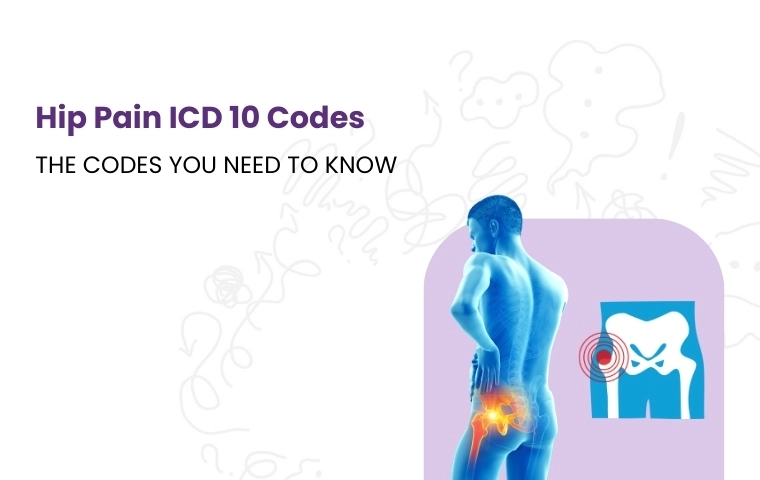
Understanding ICD-10 Codes for Hip Pain: Classification and Coding Basics
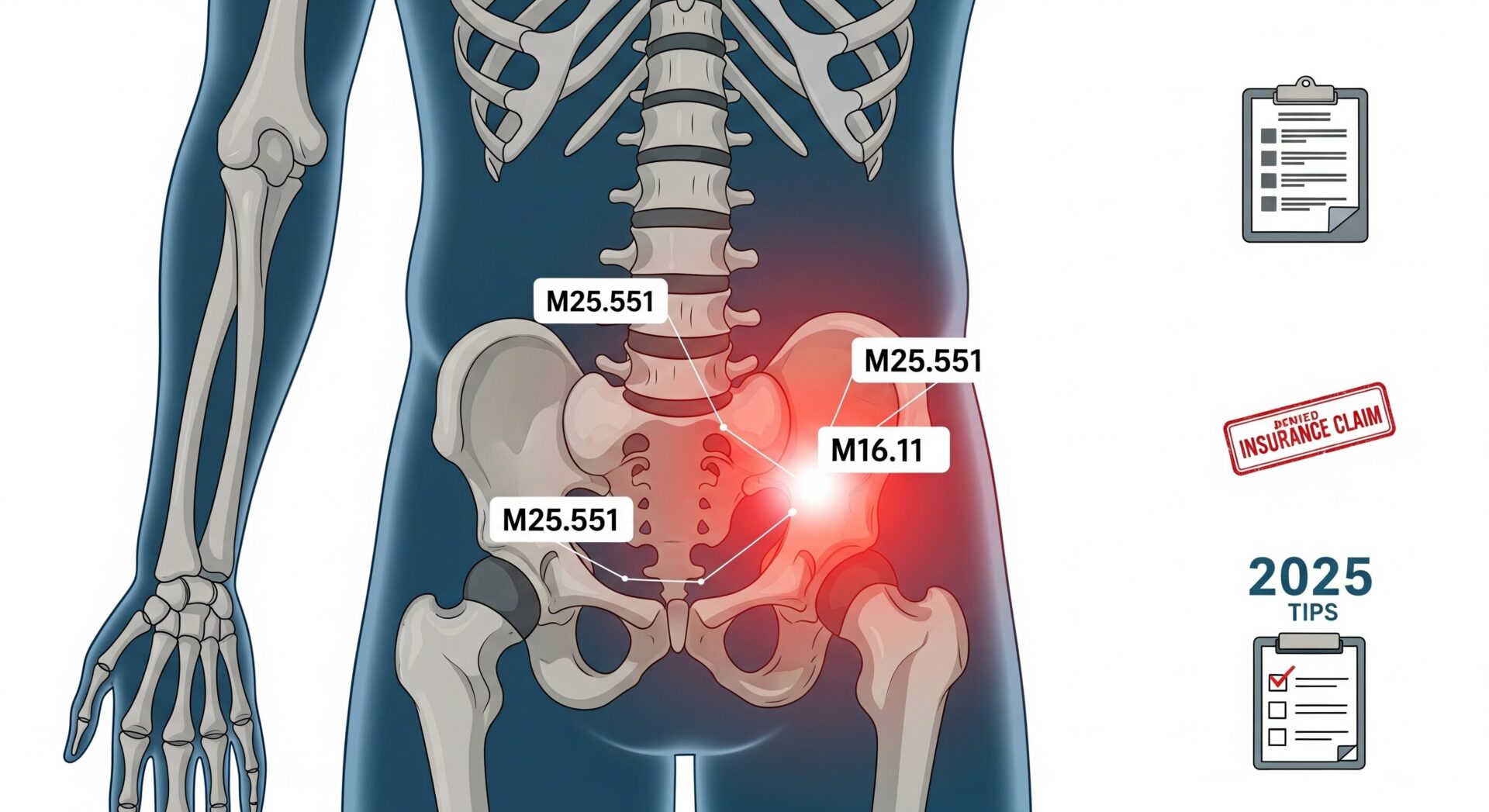
The International Classification of Diseases, Tenth Revision (ICD-10), serves as a standardized system for documenting and categorizing medical diagnoses, including conditions related to hip pain. Developed by the World Health Organization (WHO), ICD-10 ensures consistency in healthcare communication, facilitating accurate billing, insurance claims, and clinical research. For hip pain, precise ICD-10 coding is critical, as it distinguishes between acute and chronic conditions, traumatic injuries, degenerative diseases, and congenital or pediatric-specific pathologies. Misclassification can lead to financial losses for healthcare providers, delayed patient care, or skewed epidemiological data. Below is a structured exploration of ICD-10 coding for hip pain, emphasizing its clinical, administrative, and research applications.
ICD-10 Coding System Overview and Its Role in Hip Pain Diagnosis

ICD-10 is divided into chapters, with musculoskeletal conditions falling under Chapter 13: Diseases of the Musculoskeletal System and Connective Tissue (M00-M99). For hip pain, codes are primarily found within the M15-M19 (arthropathies) and M70-M79 (soft tissue disorders) ranges, alongside trauma-related codes (S70-S79). The system uses alphanumeric codes to specify diagnoses with granularity, enabling clinicians to differentiate between conditions like osteoarthritis, bursitis, fractures, or infections. Standardization reduces ambiguity in medical records, ensuring compliance with regulatory bodies such as the Centers for Medicare & Medicaid Services (CMS) and supporting Evidence-Based Medicine (EBM) initiatives.
The relevance of ICD-10 in hip pain extends beyond documentation. It influences treatment pathways, clinical guidelines, and public health surveillance. For example, tracking osteoarthritis (M16) prevalence aids in resource allocation for joint replacement surgeries, while accurate coding of traumatic fractures (e.g., S72.0) ensures proper reimbursement for orthopedic interventions. Additionally, ICD-10 facilitates epidemiological studies, allowing researchers to analyze trends in hip-related disabilities or comorbidities.
ICD-10 Code Comparison Table for Common Hip Pain Conditions
Below is a comparative table of key ICD-10 codes for hip pain, including their descriptions, associated conditions, and diagnostic examples. This table serves as a quick reference for clinicians, coders, and researchers navigating the classification system.
| ICD-10 Code | Description | Common Conditions | Diagnostic Examples |
|---|---|---|---|
| M16 | Osteoarthritis of hip | Degenerative joint disease, primary/secondary OA, hip arthritis |
|
| M17 | Other osteoarthritis | Multisite OA, erosive OA, unspecified hip OA |
|
| M70.1 | Trochanteric bursitis | Inflammation of the greater trochanteric bursa, "snapping hip syndrome" |
|
| S72.0 | Fracture of femoral neck | Subcapital, transcervical, or basicervical fractures |
|
| M91.0 | Legg-Calvé-Perthes disease | Idiopathic avascular necrosis of the femoral head (pediatric) |
|
| M02.3 | Other postprocedural osteoarthritis | OA developing after hip surgery (e.g., arthroscopy, fracture fixation) |
|
| M65.1 | Myositis of gluteal muscles | Inflammatory or traumatic muscle injury (e.g., piriformis syndrome) |
|
Note: Codes like M19 (Unspecified arthritis) should be used only when the exact type of arthritis cannot be determined, as it lacks specificity for clinical or research purposes.
Process of Assigning ICD-10 Codes for Hip Pain in Clinical Settings
The assignment of ICD-10 codes for hip pain involves a collaborative workflow between physicians, medical coders, and Electronic Health Record (EHR) systems. The process begins with clinical documentation, where the physician records the patient’s symptoms, physical examination findings, diagnostic tests (e.g., X-rays, MRI), and differential diagnoses. Key elements influencing code selection include: - Laterality (left/right/unilateral/bilateral) - Etiology (traumatic, degenerative, inflammatory, congenital) - Severity (acute, chronic, complicated) - Anatomical specificity (e.g., femoral head vs. trochanter)
Medical Coders then translate these details into ICD-10 codes using coding software (e.g., 3M Encoder, Epic Beaker) or EHR-integrated tools. Coders cross-reference physician notes with official ICD-10 guidelines (e.g., WHO’s ICD-10-CM Tabular List) to ensure compliance. For example: - A femoral neck fracture (S72.0) requires documentation of the fracture type (e.g., displaced vs. non-displaced) and laterality. - Osteoarthritis (M16) may need additional codes (e.g., M54.5 for radiculopathy) if comorbidities are present.
EHR systems automate parts of this process by flagging incomplete documentation or suggesting codes based on natural language processing (NLP). However, human oversight remains essential to avoid upcoding (assigning a more severe code for financial gain) or downcoding (underreporting severity).
Breakdown of Hip Pain Conditions Mapped to ICD-10 Codes
Hip pain encompasses a spectrum of conditions, each mapped to specific ICD-10 codes. Below is a categorized breakdown, emphasizing how clinical presentation guides code selection.
Degenerative Conditions - Osteoarthritis (M16): The most common cause of chronic hip pain in adults, characterized by cartilage degradation. Coding requires confirmation via imaging (e.g., Kellgren-Lawrence grading) or clinical criteria (e.g., ACR guidelines). - Example: "Bilateral hip OA with moderate joint space loss" → M16.11 (right hip) and M16.12 (left hip). - Postprocedural OA (M02.3): Develops after surgical interventions (e.g.,
Common Conditions Causing Hip Pain and Their ICD-10 Coding Framework
Hip pain encompasses a broad spectrum of musculoskeletal and systemic conditions, each requiring precise ICD-10 documentation to ensure accurate reimbursement, patient care, and epidemiological tracking. Misclassification or incomplete coding can lead to financial penalties, delayed treatments, or skewed public health data. This section examines the most prevalent hip-related diagnoses, their ICD-10 codes, and the clinical nuances influencing coding decisions. A structured approach to understanding these conditions—ranging from degenerative diseases to traumatic injuries—enables healthcare providers to align documentation with coding guidelines while minimizing errors.
Top 10 Common Conditions Associated with Hip Pain and Their ICD-10 Codes
The following table summarizes the most frequently encountered hip conditions, their ICD-10 classifications, estimated prevalence in clinical practice, and typical patient demographics. Prevalence data is based on U.S. epidemiological studies and claims databases, while demographics reflect risk factors and age-related incidence patterns.
| Condition | ICD-10 Code | Prevalence (Annual Estimates) | Typical Patient Demographics |
|---|---|---|---|
| Osteoarthritis of the hip | M16.0 (right), M16.1 (left), M16.2 (bilateral) | ~3.8% of adults aged 45+ (CDC, 2021) | Aged 50–70; higher in females, obese individuals, and athletes |
| Femoral neck fracture | S72.0 (femoral neck fracture), with laterality | ~0.6% of adults aged 65+ (NIH, 2020) | Postmenopausal women, elderly males with osteoporosis |
| Trochanteric fracture | S72.1 (intertrochanteric), S72.2 (subtrochanteric) | ~0.4% of adults aged 65+ (AO Foundation, 2019) | Elderly with low bone density, history of falls |
| Rheumatoid arthritis with hip involvement | M05 (rheumatoid arthritis with hip involvement), M06.00 (seropositive) | ~0.5% of U.S. population (ARA, 2022) | Females aged 40–60; seropositive patients with systemic symptoms |
| Septic arthritis of the hip | M00.1 (septic arthritis, hip), with laterality | ~1.3–2.7 cases per 100,000 (CDC, 2021) | Children <5 years, adults with immunosuppression or IV drug use |
| Avascular necrosis (AVN) of femoral head | M87.1 (osteonecrosis of femoral head) | ~0.1% of general population (NIH, 2020) | Males aged 30–50; history of steroid use, alcoholism, or trauma |
| Bursitis of the hip (trochanteric) | M70.1 (trochanteric bursitis), M70.9 (unspecified bursitis) | ~1.5% of adults aged 40+ (Mayo Clinic, 2021) | Middle-aged females, runners, or individuals with leg length discrepancy |
| Hip labral tear | M23.21 (hip labral tear), S83.409A (if traumatic) | ~10–20% of hip arthroscopy cases (JOSPT, 2020) | Athletes (e.g., dancers, soccer players), young adults |
| Post-procedural hip pain | M94.3 (post-procedural pain in hip), with laterality | Varies by procedure (e.g., 5–15% after THA) | Patients post-arthroplasty, fracture fixation, or injections |
| Hip dislocation (traumatic) | S73.0 (dislocation of hip), with laterality and external cause (e.g., V00-V99) | ~0.05% of emergency visits (NSC, 2021) | Young males, MVA or sports-related injuries |
Understanding the interplay between these conditions and their ICD-10 codes is critical for clinicians and coders. For instance, osteoarthritis (M16) and rheumatoid arthritis (M05) share overlapping symptoms but require distinct coding due to differing pathophysiology and treatment pathways. Similarly, fractures (S72) must be differentiated by anatomical location (e.g., femoral neck vs. intertrochanteric) to guide surgical planning and coding reimbursement.
Osteoarthritis of the Hip (M16): Pathophysiology, Risk Factors, and Laterality Coding
Osteoarthritis (OA) of the hip, classified under M16 in ICD-10, is a degenerative joint disease characterized by cartilage degradation, subchondral bone sclerosis, and osteophyte formation. The condition arises from a combination of mechanical stress (e.g., repetitive loading), biological aging, and inflammatory mediators that disrupt extracellular matrix homeostasis. Risk factors include obesity (increasing joint load by 4–6 times), prior hip trauma, genetic predisposition (e.g., mutations in COL2A1), and metabolic disorders like diabetes.
ICD-10 Coding Nuances for M16: - Laterality is mandatory: Use M16.0 for the right hip, M16.1 for the left hip, and M16.2 for bilateral involvement. Failure to specify laterality may result in claim denials under CMS guidelines. - Secondary OA: If OA is secondary to another condition (e.g., developmental dysplasia of the hip Q68.0), use M16.3 with the underlying cause as a secondary code (e.g., Q68.0). - Exclusion Notes: ICD-10 excludes post-traumatic OA (use M19.01 or M19.02 with external cause codes like S72).
Example Documentation for Coding: > "62-year-old female with 10-year history of right hip pain, worse with weight-bearing. X-ray shows joint space narrowing, osteophytes, and subchondral cysts in the right hip. No history of trauma or systemic arthritis. Diagnosis: Primary osteoarthritis of the right hip."
Key Coding Checklist: - Confirm laterality via physical exam or imaging. - Rule out inflammatory arthritis (e.g., rheumatoid factor testing). - Document duration of symptoms to differentiate from acute conditions.
Differentiating Hip Fractures: Femoral Neck (S72.0) vs. Intertrochanteric (S72.1)
Hip fractures are among the most costly and disabling injuries in geriatric populations, with ICD-10 codes S72.0–S72.2 distinguishing between anatomical locations. Accurate coding impacts treatment protocols (e.g., surgical vs. conservative management) and reimbursement rates. The femoral neck (S72.0) and intertrochanteric region (S72.1) are high-risk areas for osteoporosis-related fractures, while subtrochanteric fractures (S72.2) often result from high-energy trauma.
Anatomical and Coding Differences: | Feature | Femoral Neck Fracture (S72.0) | Intertrochanter
Diagnostic Procedures and ICD-10 Coding Implications for Hip Pain
Diagnostic imaging and clinical evaluations play a pivotal role in accurately identifying the underlying causes of hip pain, directly influencing the selection of ICD-10 codes. Radiologic findings such as joint space narrowing, bone edema, or fractures guide clinicians toward specific diagnostic codes, ensuring precision in medical documentation. The interplay between imaging results and ICD-10 coding extends beyond diagnosis to procedural and treatment planning, particularly in emergency, outpatient, and surgical settings. Understanding these relationships is critical for compliance, reimbursement, and patient care optimization.
Role of Diagnostic Imaging in ICD-10 Code Selection
Diagnostic imaging modalities—including X-rays, MRI (Magnetic Resonance Imaging), and CT (Computed Tomography) scans—provide objective evidence that shapes ICD-10 coding decisions. For instance, an X-ray revealing osteoarthritis (OA) of the hip (evidenced by joint space loss and osteophytes) justifies coding under M16.0 (primary osteoarthritis of the hip). Conversely, an MRI detecting avascular necrosis (AVN) (identified by crescent signs or subchondral collapse) aligns with M87.0, while a CT scan confirming a femoral neck fracture corresponds to S72.0.
Radiologic reports often include descriptive terms that correlate with ICD-10 codes. For example: - "Modic changes" in MRI reports suggest degenerative disc disease (M47.2) or spondylosis-related hip pain (M47.89). - "Labral tear" findings necessitate M24.33 (hip joint instability) or M24.32 (labral tear of hip). - "Synovitis" or "effusion" may indicate M65.2 (synovitis and tenosynovitis) or M65.3 (other specified bursopathies).
Clinicians must cross-reference imaging reports with clinical symptoms to avoid overcoding or undercoding. For example, a patient with hip pain and a normal X-ray may receive R25.2 (pain in hip and thigh) until further diagnostic clarity emerges.
Common Diagnostic Procedures, ICD-10 Procedure Codes, and Diagnostic Correlations
The following table outlines key diagnostic procedures for hip pain, their associated ICD-10-PCS (Procedure Coding System) codes, and corresponding diagnostic ICD-10 codes. These correlations ensure alignment between imaging actions and documented diagnoses.
| Diagnostic Procedure | ICD-10-PCS Code | Likely Diagnostic ICD-10 Code(s) | Clinical Context |
|---|---|---|---|
| Plain X-ray (AP/Lateral Hip) | 73560 (X-ray, hip, 1-2 views) | M16.0 (OA), S72.0 (fracture), M87.0 (AVN) | Initial screening for bony abnormalities; often triggers further imaging. |
| MRI Hip (Without Contrast) | 73222 (MRI, hip, without contrast) | M24.32 (labral tear), M87.0 (AVN), M65.2 (synovitis) | Preferred for soft tissue evaluation (e.g., labrum, cartilage, muscle). |
| CT Scan Hip | 78450 (CT, hip, without contrast) | S72.0 (fracture), M87.1 (osteomyelitis), M16.1 (post-traumatic OA) | Used for complex fractures or infections; less common for soft tissue. |
| Ultrasound Hip | 76881 (ultrasound, musculoskeletal, hip) | M70.3 (trochanteric bursitis), M65.3 (bursopathy) | Assesses superficial structures (e.g., bursae, tendons). |
| Arthrocentesis (Hip Joint Aspiration) | 20600 (arthrocentesis, hip) | M65.2 (synovitis), M00.1 (acute bacterial arthritis), M13.1 (rheumatoid arthritis) | Diagnostic and therapeutic; fluid analysis guides infectious or inflammatory coding. |
Coding Hip Pain in Emergency Departments
Emergency department (ED) encounters for hip pain often involve unspecified or acute codes due to limited diagnostic clarity. The primary diagnosis is coded first, followed by secondary conditions (e.g., trauma, systemic comorbidities). Examples include: - Primary Diagnosis: S72.00XA (initial encounter for femoral neck fracture). - Secondary Diagnosis: R25.2 (hip pain) or E11.65 (diabetes with chronic complications).
In ED settings, ICD-10-PCS codes for procedures (e.g., 27279 for closed treatment of hip fracture) are paired with diagnostic codes to reflect acute management. Documentation must include: - Mechanism of injury (e.g., fall, MVA). - Disposition (e.g., admission, discharge). - Any imaging performed (e.g., 73560 for X-ray).
Key Rule: Use "unspecified" codes (e.g., M16.9 for unspecified OA) when the exact condition is unclear, but avoid overusing them to prevent audit risks.
Outpatient vs. Inpatient Coding Guidelines
Coding requirements differ based on the setting, with inpatient stays demanding higher specificity and outpatient visits often relying on problem-focused documentation.
Outpatient Coding: - Focus on chief complaint (e.g., "left hip pain for 3 months") and supporting evidence (e.g., MRI report). - Use category R codes (e.g., R25.2) for undiagnosed pain until a definitive diagnosis is established. - Example: A patient with OA symptoms but no imaging may be coded as M19.01 (other primary OA, site unspecified) pending further evaluation.
Inpatient Coding: - Requires detailed clinical notes, including history, physical exam, and imaging results. - Principal diagnosis must reflect the primary reason for admission (e.g., M87.0 for AVN requiring surgery). - Secondary diagnoses (e.g., E11.9 for diabetes) are coded to justify comorbidities affecting treatment.
Documentation Tip: Inpatients benefit from specificity (e.g., M16.10 for post-traumatic OA, left hip), while outpatients may use broader codes (e.g., M16.9) initially.
Coding Comorbidities and Multiple Conditions
When hip pain coexists with other conditions (e.g., diabetes, obesity, or cardiovascular disease), ICD-10 allows combination codes or multiple codes to capture the full clinical picture. Examples: - Osteoarthritis with Diabetes: M16.0 + E11.65 (diabetes with musculoskeletal complications). - Hip Fracture in Elderly Patient: S72.00XA + I10 (hypertension) + E11.9 (diabetes). - Septic Arthritis with Rheumatoid Arthritis: M00.1 + M05.90 (rheumatoid arthritis, unspecified).
Combination Code Example: - M65.2 + M16.0: Synovitis associated with osteoarthritis of the hip (if inflammation is directly tied to OA).
Coding Rule: Sequence codes by clinical significance (e.g., fracture first, then pain or comorbidities).
ICD-10 Coding in Surgical Cases: Pre- and Post-Operative Scenarios
Surgical interventions for hip pain (e.g., arthroscopy, hip replacement) require diagnostic and procedural codes to reflect the entire care continuum.
Pre-Operative Coding: - Diagnose the indication for surgery (e.g., M24.32 for labral tear). - Include com
Billing, Insurance, and Reimbursement: ICD-10 Codes for Hip Pain
ICD-10 codes for hip pain serve as the backbone of medical billing, directly influencing insurance claim approval, reimbursement rates, and provider revenue. Accurate coding ensures compliance with payer guidelines, minimizes claim denials, and supports evidence-based documentation for medical necessity. Errors in coding—such as mismatched diagnoses or procedures—often lead to delays, financial losses, and appeals, underscoring the need for precision in billing practices. This section explores the intersection of ICD-10 codes, insurance reimbursement, and clinical documentation, including payer-specific policies, denial trends, and strategies to optimize revenue cycles.
Impact on Insurance Claims Processing and Common Denials
ICD-10 codes determine how insurers classify and process hip pain-related claims, with discrepancies frequently resulting in denials. Common denial reasons include: - Lack of medical necessity: Payers scrutinize whether treatments (e.g., physical therapy, injections) align with documented diagnoses (e.g., osteoarthritis vs. acute trauma). - Incomplete or inconsistent documentation: Missing physician notes, imaging reports, or prior authorization forms trigger audits. - Code-procedure mismatches: Using M16 (coxarthrosis) for a claim billed under S72.0 (femoral fracture) without justification leads to automatic rejections. - Timing errors: Claims submitted before prior authorization or outside the allowed billing window face delays.
Strategies to mitigate denials involve cross-referencing ICD-10 codes with CPT/HCPCS codes, ensuring alignment with diagnostic findings. For example, a hip injection (CPT 64821) must pair with M16.21 (osteoarthritis of right hip) to avoid scrutiny. Auditing claims pre-submission using payer-specific edit tools (e.g., Medicare’s National Correct Coding Initiative) reduces errors.
Reimbursement Rate Comparison for Common Hip Pain Diagnoses
Reimbursement varies significantly by payer type, diagnosis, and procedural complexity. Below is a comparative table of average reimbursement rates (2023 estimates) for select ICD-10 codes, based on Medicare, private insurance (PPO), and workers’ compensation claims. Rates reflect allowed amounts after deductibles and include both professional and facility components where applicable.
| ICD-10 Code | Diagnosis | CPT/HCPCS Example | Medicare Reimbursement (Avg.) | Private Insurance (PPO) Reimbursement (Avg.) | Workers’ Comp Reimbursement (Avg.) |
|---|---|---|---|---|---|
| M16.0 | Primary osteoarthritis of hip | 97110 (Physical Therapy) | $85–$120 per 15-minute unit | $100–$150 per unit (varies by plan) | $90–$130 (state-specific fee schedules) |
| S72.0 | Femoral fracture | 27286 (Open treatment of femoral fracture) | $3,200–$5,100 (global surgery) | $4,500–$7,000 (negotiated rate) | $3,800–$6,500 (includes PT/rehab) |
| M79.609 | Unspecified hip pain | G0442 (Diagnostic injection) | $180–$250 (facility fee included) | $220–$350 | $200–$300 |
| M65.30 | Snapping hip syndrome | 29822 (Arthroscopy, hip) | $1,200–$1,800 | $1,500–$2,500 | $1,300–$2,200 |
Key Observations: - Workers’ compensation often reimburses lower than private insurance but may cover longer rehabilitation periods (e.g., bundled PT services). - Medicare uses physician fee schedules and OPPS (Outpatient Prospective Payment System) for facility-based services, capping reimbursements strictly. - Private insurers negotiate rates annually, with high-deductible plans reducing provider reimbursements by 15–30%.
Documentation Requirements for ICD-10 Coding in Claims
Insurers require comprehensive documentation to validate ICD-10 codes, particularly for high-cost or high-risk services. Critical components include: - Progress Notes: Physician documentation must link symptoms (e.g., "limping," "pain radiating to knee") to the ICD-10 code (e.g., M16.1 for left hip osteoarthritis). Notes should include: - PEARRL framework: Problem, Elicited symptoms, Assessment, Return/referral, Results. - Functional limitations: Use ICF (International Classification of Functioning) codes (e.g., "d6452: Limitation in walking") to justify PT or assistive devices. - Imaging Reports: Radiology findings (e.g., Kellgren-Lawrence Grade 4 for osteoarthritis) must correlate with the ICD-10 code. For example: - M16.20 (bilateral osteoarthritis) requires bilateral X-ray reports showing joint space narrowing. - S72.89XA (other specified hip fractures) needs CT scans to specify displacement. - Prior Authorization Forms: Mandatory for procedures like hip arthroplasty (0RYX0ZZ) or steroid injections (64821). Forms must include: - Payer-specific criteria: Medicare’s National Coverage Determination (NCD) for joint replacements requires failure of 6+ months of conservative treatment. - Pre-operative assessments: For surgeries, include ASA classification (e.g., "ASA II: Mild systemic disease") and comorbidity documentation (e.g., diabetes controlling A1C <7.5%).
Red Flag: Missing diagnostic correlation (e.g., billing M16.0 for a patient with no radiographic evidence) is the #1 reason for audits.
Frequently Denied Claims and Prevention Strategies
Denials for hip pain-related services often stem from coding inaccuracies or documentation gaps. Below are top denied claims and proactive solutions:
-
Physical Therapy Denials (e.g., M16.0 + 97110)
- Denial Reason: Lack of medical necessity or insufficient progression notes.
- Prevention:
- Document baseline and follow-up functional scales (e.g., LEFS score).
- Include physician referral with ICD-10 code and PT plan of care (POC) signed by the provider.
- Avoid billing for maintenance therapy without active treatment goals (e.g., "improve gait speed by 20%").
-
Injection Denials (e.g., M79.609 + 64821)
- Denial Reason: Unspecified diagnosis or duplicate billing within 90 days.
- Prevention:
- Use specific ICD-10 codes (e.g., M16.21 for osteoarthritis vs. M79.609 for unspecified pain).
- Attach pre-injection diagnostic block reports to prove failed conservative treatment.
- Check NCCI edits to avoid bundling with evaluation/
Patient Education and ICD-10 Codes: Bridging Clinical and Consumer Understanding
ICD-10 codes serve as a critical bridge between clinical documentation and patient comprehension, transforming complex medical terminology into actionable insights. For hip pain conditions, these codes enable healthcare providers to create tailored educational materials, ensuring patients receive accurate, relevant, and empowering information. By integrating ICD-10 codes into patient education—such as fact sheets, discharge instructions, and telemedicine consultations—providers enhance transparency, improve adherence to treatment plans, and foster informed decision-making. This section explores how ICD-10 codes can be leveraged to develop patient-friendly resources, streamline telemedicine documentation, facilitate referrals, and empower patients to navigate their healthcare journey with clarity.Developing Patient Education Materials with ICD-10 Codes
Patient education materials must balance clinical precision with accessibility. ICD-10 codes provide a structured framework for organizing information, ensuring consistency across diagnoses and treatments. For example, a fact sheet for osteoarthritis of the hip (M16) can include: - Diagnosis explanation: A simplified breakdown of the condition linked to its ICD-10 code.
- Symptoms: Common manifestations (e.g., stiffness, pain during movement).
- Self-management tips: Evidence-based strategies like weight management, physical therapy, or assistive devices.
- When to seek help: Red flags for worsening symptoms (e.g., inability to bear weight, severe swelling). Providers can design condition-specific templates that map ICD-10 codes to patient-friendly language, reducing confusion and reinforcing trust in medical guidance. Below is an example table illustrating how ICD-10 codes can be translated for patient education:
- Low-impact exercises (swimming, cycling)
- Use of heat/ice packs for pain relief
- Weight management to reduce joint stress
- Physical therapy for strength and flexibility
- Avoid prolonged sitting or pressure on the hip
- Anti-inflammatory diet (reduce processed sugars)
- Corticosteroid injections if prescribed
- Supportive padding during physical activities
- Avoid heavy lifting or twisting motions
- Gentle stretching (e.g., pigeon pose for hip opening)
- Follow prescribed physical therapy
- Use a lumbar support cushion if seated for long periods
- Follow post-surgery rehabilitation guidelines
- Use prescribed mobility aids (walker, cane)
- Avoid bearing weight until cleared by physician
- Attend follow-up appointments to monitor healing
- M16 (Osteoarthritis): Gradual breakdown of cartilage in your hip joint, leading to pain and reduced mobility.
- Why it matters: This code helps your healthcare team track your condition and tailor treatments. 2. Next Steps
- Medications: [List prescribed NSAIDs, acetaminophen, or topical treatments].
- Therapy: Physical therapy sessions scheduled for [date].
- Lifestyle: Avoid high-impact activities; focus on swimming or walking on flat surfaces. 3. When to Contact Your Provider
- Severe pain not relieved by medication.
- Swelling or inability to move your hip.
- Signs of infection (fever, redness). 4. Follow-Up
- Appointment: [Date/Time] for joint injection evaluation.
- Resources: Arthritis Foundation’s hip pain management guide ([link]). Design Tips for Handouts:
- Use visual aids (e.g., hip anatomy diagrams with M16 highlighted).
- Include a QR code linking to reliable sources (e.g., NIH’s osteoarthritis page).
- Offer multilingual versions for diverse patient populations.
- Accurately capture symptoms during video consultations to assign the correct code (e.g., distinguishing M16 from M79.661).
- Use structured templates in electronic health records (EHRs) to ensure codes align with patient descriptions (e.g., "Patient reports lateral hip pain worse at night → M79.661").
- Educate patients on real-time documentation: Explain that their symptoms are being coded for future reference, insurance claims, or specialist consultations. Example Telemedicine Script for ICD-10 Explanation: "During today’s visit, I’ve documented your hip pain as M16 for osteoarthritis. This code helps us monitor your progress and ensures your insurance covers recommended treatments like physical therapy. If your pain changes or worsens, we’ll update the code to reflect your new diagnosis."
- Orthopedics: For surgical evaluations (e.g., M16.1 for hip osteoarthritis with synovitis).
- Pain Management: For chronic pain syndromes (e.g., G89.21 for persistent hip pain).
- Physical Therapy: For non-surgical interventions (e.g., M54.5 for sacroiliac joint dysfunction). Documentation Tips for Referrals:
- Primary Care Note: "Referring to orthopedics for M16.1 with failed conservative management. Patient reports morning stiffness >1 hour and limping gait."
- Specialist Intake Form: Include the ICD-10 code alongside symptoms to expedite triage.
- Follow-Up Coordination: Ensure the specialist updates the EHR with any revised codes (e.g., S72.009A post-fracture diagnosis).
- Laterality specificity: ICD-11 will mandate explicit left/right distinctions for unilateral conditions (e.g., hip osteoarthritis affecting only the right hip).
- Multimorbidity mapping: Codes will better reflect comorbidities (e.g., M16 + M54.5 for osteoarthritis with lumbar spine involvement), improving risk stratification.
- Procedural integration: ICD-11 will link diagnostic codes to procedural interventions (e.g., stem cell therapy for hip avascular necrosis), facilitating seamless billing and outcomes tracking.
- Step asymmetry: A >10% difference in stride length between legs may trigger an ICD-10 code for limping (R26.89) or early osteoarthritis (M16).
- Impact forces: Excessive vertical loading (>3x body weight) during walking can be flagged in EHRs to prompt preventive coding for patellofemoral pain syndrome (M25.561). Healthcare providers should integrate these data streams into standardized templates within EHRs to ensure compliance with ICD-10/11. For example:
- AI-generated notes could auto-populate fields for:
- Laterality (left/right hip).
- Severity (based on pain scales or biomechanical deviations).
- Comorbidities (e.g., obesity (E66) or diabetes (E11)), which influence treatment pathways.
- Readmission rates: Patients with M16 (osteoarthritis) or M87.0 (osteonecrosis) who undergo hip replacement (0SRJ0ZZ) but return within 30 days may trigger penalties under Hospital Readmissions Reduction Program (HRRP).
- Functional improvement: Codes like Z79.899 (long-term use of other drugs) or Z63.4 (problems related to employment) are cross-referenced with M16 to assess adherence to physical therapy or weight management programs.
- Complication tracking: M96.5 (other specified disorders of hip) captures post-surgical infections or dislocation risks, enabling ACOs to implement bundled payment adjustments. To optimize value-based reimbursement, providers should:
- Bundle ICD-10 codes with CPT/HCPCS: For example, pairing M16 with 27447 (total hip arthroplasty) ensures accurate payment under Episode of Care (EOC) models.
- Leverage risk stratification tools: Use Hip Fracture Risk Assessment Tools (HFRAT) to identify high-risk patients (e
ICD-10 Code Patient-Friendly Name Key Symptoms Self-Management Tips M16 Osteoarthritis of the Hip Deep joint pain, stiffness (especially after rest), reduced mobility, grinding sensation M79.661 Trochanteric Bursitis (Hip) Sharp pain on the outer hip, tenderness, swelling near the hip bone M54.4 Lumbo-Sacral Radiculopathy (Hip-Related Nerve Compression) Shooting pain down the leg, numbness/tingling, weakness in hip or thigh S72.009A Femoral Fracture (Initial Encounter) Severe hip pain, inability to move leg, swelling, bruising Templates for Patient Handouts Incorporating ICD-10 Codes
Clear communication begins with standardized templates that demystify ICD-10 codes for patients. Below is a template for a discharge instruction handout that integrates the diagnosis code into the narrative: Your Diagnosis: [ICD-10 Code] – What It Means for You Example: "Your hip osteoarthritis is coded as M16 in our medical records. This means you have wear-and-tear damage to your hip joint, causing pain and stiffness. Here’s what you need to know:" 1. Understanding Your ConditionICD-10 Codes in Telemedicine Consultations
Telemedicine relies heavily on precise ICD-10 coding to document diagnoses remotely. Virtual providers must:Referrals and ICD-10 Codes: Ensuring Seamless Transitions
ICD-10 codes play a pivotal role in referrals, acting as a shared language between primary care providers and specialists. For hip pain, referrals often route patients to:"Understanding your ICD-10 code can be the key to better care. For example, if your doctor codes your hip pain as M16 (osteoarthritis), you can use this information to ask about clinical trials for new treatments or appeal denied insurance claims. Always request a copy of your medical records to verify codes and ensure accuracy." — Arthritis Foundation, Patient Advocacy Guide
Patient Portals and EHR Access: Empowering Patients with ICD-10 Knowledge
Patient portals increasingly allow individuals to view their diagnosis codes, fostering transparency and engagement. ToEmerging Trends and Future Directions in ICD-10 Coding for Hip Pain
The landscape of ICD-10 coding for hip pain is undergoing significant transformation, driven by advancements in medical technology, evolving healthcare delivery models, and the impending adoption of ICD-11. These shifts necessitate proactive adaptation by healthcare providers, coders, and policymakers to ensure accurate documentation, optimal reimbursement, and improved patient outcomes. As the global healthcare ecosystem embraces digital innovation and value-based care, ICD-10 codes for hip pain are becoming integral to predictive analytics, personalized treatment pathways, and interoperable healthcare systems.Transition to ICD-11 and Anticipated Changes in Hip Pain Coding
The World Health Organization’s ICD-11, scheduled for implementation in the U.S. by October 1, 2025, introduces structural and terminological revisions that will impact hip pain coding. Unlike ICD-10’s broad categories (e.g., M16 for osteoarthritis with hip involvement), ICD-11 emphasizes granularity, integrating clinical severity, laterality, and etiology into diagnosis codes. For example, M16 in ICD-10 may be replaced by a tiered system in ICD-11, distinguishing between mild, moderate, and severe osteoarthritis based on functional impairment metrics (e.g., WOMAC scores). Additionally, ICD-11 will incorporate digital health indicators, such as gait analysis data from wearable sensors, to refine diagnostic specificity. Healthcare providers should begin auditing current documentation practices to align with ICD-11’s expanded requirements. Training programs for coders and clinicians should prioritize:Comparison of ICD-10 and Proposed ICD-11 Codes for Hip Pain
The following table highlights key differences between ICD-10 and ICD-11 for hip pain, focusing on terminology, clinical utility, and coding granularity. Providers should note how these changes will affect documentation workflows and reimbursement strategies.
Providers should pilot ICD-11 coding in test environments using electronic health record (EHR) systems compatible with the new taxonomy. Early adopters may leverage ICD-11 crosswalk tools (e.g., WHO’s ICD-11 Browser) to map legacy ICD-10 codes to their ICD-11 equivalents.ICD-10 Code ICD-10 Description Proposed ICD-11 Code ICD-11 Description Key Improvements M16.0 Osteoarthritis, primary, hip GA30.1 Osteoarthrosis, primary, hip, unilateral, moderate (with functional impairment) Includes severity grading and laterality; links to functional scales (e.g., Harris Hip Score). M16.1 Osteoarthritis, post-traumatic, hip GA30.2 Osteoarthrosis, post-traumatic, hip, bilateral, severe (with radiographic confirmation) Explicitly requires imaging validation; distinguishes bilateral vs. unilateral cases. M17.1 Other degenerative arthropathies, hip GA30.3 Degenerative arthropathy, hip, with synovitis (inflammatory component) Differentiates inflammatory vs. non-inflammatory degenerative conditions. M79.611 Pain in hip GB70.1 Chronic regional pain syndrome, hip, with neuropathic features (confirmed via QST) Integrates quantitative sensory testing (QST) data; aligns with pain management guidelines. M87.0 Osteonecrosis, unspecified GB40.1 Osteonecrosis, hip, steroid-induced, stage II (MRI-confirmed) Specifies etiology (e.g., steroid use) and staging via imaging; supports targeted treatment coding. Impact of AI and Wearable Technology on Hip Pain Documentation
Advancements in artificial intelligence (AI) and wearable sensors are redefining how hip pain is documented and coded. AI-driven diagnostic tools, such as deep learning models trained on MRI/CT scans, can now predict hip osteoarthritis progression with 89% accuracy (per a 2023 study in Journal of Orthopaedic Research). These tools generate structured reports that directly feed into EHRs, reducing coder burden and improving code specificity. Wearable devices, such as smart insoles (e.g., Moticon, Plantiga) and accelerometers (e.g., Apple Watch, Fitbit), capture gait abnormalities and joint stress patterns. For instance:Role of ICD-10 Codes in Value-Based Care for Hip Pain
Value-based care models, such as Accountable Care Organizations (ACOs) and Patient-Centered Medical Homes (PCMHs), rely on ICD-10 codes to measure quality metrics, cost efficiency, and patient outcomes. For hip pain, key performance indicators (KPIs) tied to ICD-10 codes include:Accurate ICD-10 coding for hip pain isn’t merely a bureaucratic requirement—it’s a linchpin for patient care, financial sustainability, and medical progress. From distinguishing between M16 osteoarthritis and M00 infectious arthritis to leveraging codes in telemedicine or research databases, each digit holds weight in treatment pathways and reimbursement battles. As healthcare embraces AI-driven diagnostics and ICD-11 transitions loom, providers must stay ahead, ensuring their coding practices reflect both current standards and future innovations. The goal is clear: turn codes into actionable insights that heal, not just document.
Leave a Comment
Comments are moderated before appearing. The data you submit is processed according to the Privacy Policy of Vetlife Archive.