sabercat play area central park a hidden gem in nycs iconic green space
Table of Contents
- Sabercat Play Area: A Landmark of Innovation and Community in Central Park
- Historical Context and Evolution of Sabercat Play Area
- Design Innovations: How Sabercat Redefines Playground Standards
- Comparative Analysis: Sabercat vs. NYC’s Most Notable Playgrounds
- Aligned with Central Park’s Mission: Recreation, Education, and Equity
- Features and Design Innovations of Sabercat Play Area
- Architectural and Structural Design Principles
- Step-by-Step Breakdown of Play Structures
- Safety and Inclusive Design Innovations
- Integration with Central Park’s Natural Surroundings
- Encouraging Imaginative and Thematic Play
- Community Impact and Educational Partnerships
- Activities and Experiences at Sabercat Play Area: Beyond Playground Boundaries
- Structured Activities: Guided Tours, Workshops, and Educational Programs
- Unstructured Play: Creative Exploration and Child-Led Adventures
- Seasonal Events and Special Celebrations
- Five Unique Experiences at Sabercat Play Area
- Educational Visits: Field Trips and Resource Partnerships
- Tips for Maximizing the Sabercat Play Area Visit
- Family and Educator Testimonials
- Accessibility, Inclusivity, and Community Engagement at Sabercat Play Area
- Universal Design and Adaptive Play Structures
- Sensory and Quiet Zones for Neurodiverse Children
- Community Initiatives and Volunteer Programs
- Comparison of Accessibility Features: Sabercat Play Area vs. NYC Playgrounds
- Cultural Events and Intergenerational Play
- Nearby Resources for Families
- Visitor Guides and Practical Information for Planning a Trip to Sabercat Play Area
- Step-by-Step Guide for First-Time Visitors
- Navigation and Transportation to Sabercat Play Area
- Essential Checklist for a Day at Sabercat Play Area
- Optimal Visit Times and Crowd Expectations
- Combining Sabercat Play Area with Nearby Central Park Attractions
- Photography, Maintenance, and Preservation of Sabercat Play Area
- Ethical Photography Guidelines and Prohibited Areas
- Maintenance and Upkeep Processes by the Central Park Conservancy
- Community Feedback and Its Role in Preservation
- Reporting Issues and Contributing to Upkeep
- Seasonal Maintenance Schedule and Key Challenges
Nestled within the sprawling 843-acre expanse of Central Park, Sabercat Play Area emerges as a vibrant hub where urban design meets imaginative play. Officially opened in 2019 as part of the Central Park Conservancy’s ongoing revitalization efforts, this playground stands out not just for its striking Sabercat-themed structures but for its seamless integration into the park’s natural and cultural fabric. Unlike traditional playgrounds, Sabercat Play Area blends sustainability with innovation, using recycled materials and adaptive designs to cater to a diverse range of visitors—from toddlers to teens, and families to individuals with disabilities.
The play area’s strategic location near the park’s Great Lawn and close to landmarks like the Central Park Zoo and Bethesda Terrace makes it a convenient yet underrated destination for New Yorkers and tourists alike. Its unique architecture, featuring climbing nets, interactive panels, and sensory-friendly zones, reflects a modern approach to public recreation that prioritizes accessibility, creativity, and community engagement. Beyond its physical attributes, Sabercat Play Area serves as a testament to how urban green spaces can foster social connections, educational experiences, and cultural exchange in one of the world’s most dynamic cities.
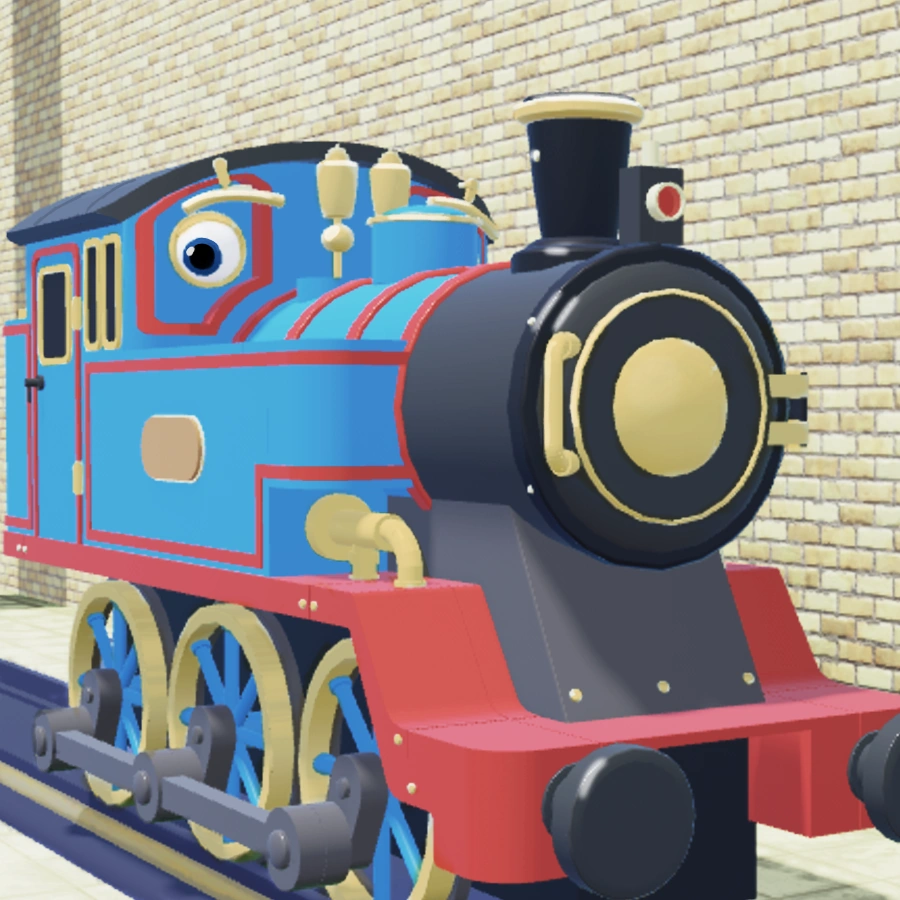
Sabercat Play Area: A Landmark of Innovation and Community in Central Park

Nestled within the sprawling 843-acre expanse of Central Park, Sabercat Play Area stands as a testament to modern playground design, blending sustainability, accessibility, and imaginative play into a cohesive urban recreational space. Opened in 2019 as part of the Central Park Conservancy’s ongoing revitalization efforts, the play area was designed by Michael Van Valkenburgh Associates (MVVA) in collaboration with Playworld Systems, a leader in inclusive playground solutions. Its establishment marked a significant milestone in NYC’s public recreation infrastructure, addressing the need for adaptive play structures that cater to children with varying physical abilities while maintaining an engaging experience for all ages. The area’s name, Sabercat, draws inspiration from the park’s historic Sabercat Bridge (officially the 67th Street Bridge), symbolizing both agility and strength—qualities reflected in its dynamic design.
Sabercat Play Area is strategically located near the West 67th Street entrance, adjacent to the Heckscher Playground and within walking distance of the Central Park Zoo and Tavern on the Green, making it a hub for families visiting multiple attractions. Its proximity to the 67th Street Trans-Hudson (TH) train station enhances accessibility for commuters and tourists alike, while the smooth pathways and ADA-compliant ramps ensure seamless navigation for visitors with mobility challenges. The play area’s design integrates seamlessly with the surrounding landscape, featuring native plantings and shaded seating areas that align with Central Park’s commitment to ecological preservation.

Historical Context and Evolution of Sabercat Play Area
The development of Sabercat Play Area reflects broader trends in NYC’s approach to public playgrounds, shifting from traditional, static structures to interactive, sensory-rich environments that encourage creativity and socialization. Prior to its construction, the site housed an older, less accessible playground that failed to meet modern safety and inclusivity standards. The Central Park Conservancy’s decision to replace it with Sabercat was driven by data from community surveys and collaborations with disability advocacy groups, ensuring the final design addressed gaps in play equity.
The $3.5 million project was funded through a combination of public-private partnerships, including grants from the National Endowment for the Arts and donations from corporations like Bloomberg Philanthropies. Its timeline spanned 18 months, from initial planning in 2017 to its grand opening in June 2019, coinciding with Central Park’s 200th-anniversary celebrations. This rapid yet meticulous execution underscores the Conservancy’s ability to balance innovation with historical preservation, as Sabercat’s materials—such as recycled rubber flooring and FSC-certified wood—complement the park’s natural aesthetics while minimizing environmental impact.
Design Innovations: How Sabercat Redefines Playground Standards
Sabercat Play Area distinguishes itself through a multi-sensory, adaptive design that prioritizes inclusivity, sustainability, and imaginative play. Unlike conventional playgrounds, which often feature separate structures for different age groups, Sabercat’s layout encourages intergenerational interaction through interconnected play zones. Key design elements include:
- The Sabercat Climber: A modular steel frame resembling a whimsical feline, designed for children aged 2–12 to climb, swing, and slide. Its adaptive features, such as low-height entry points and sensory panels, accommodate children with mobility or cognitive disabilities. - The Water Play Fountain: A splash pad with customizable water jets, allowing children to control flow intensity, fostering sensory exploration while conserving water through a recirculation system. - The Music Playground: A series of tuned metal tubes and percussion panels that produce sounds when struck, integrating music education into physical play. - The Nature Trail Connection: A raised wooden path lined with braille plaques and tactile plants, linking the play area to nearby Heckscher Playground and promoting outdoor learning.
The playground’s color scheme—vibrant blues, greens, and oranges—was chosen to stimulate visual engagement, while its shaded canopies provide relief from NYC’s urban heat island effect. The use of durable, low-maintenance materials ensures longevity, reducing the need for frequent repairs and aligning with the Conservancy’s sustainability goals.
Comparative Analysis: Sabercat vs. NYC’s Most Notable Playgrounds
While Central Park boasts several iconic playgrounds, Sabercat’s adaptive and sensory-focused design sets it apart. Below is a comparative table highlighting its unique features alongside three other prominent NYC playgrounds:
| Feature | Sabercat Play Area (2019) | Heckscher Playground (1935) | Riverside Park Playground (1936) | Hudson River Park Playground (2003) |
|---|---|---|---|---|
| Age Suitability | 2–12 years (adaptive for all abilities) | 5–14 years (traditional swings/slides) | 3–12 years (general play structures) | 2–10 years (focus on younger children) |
| Accessibility Features | ADA-compliant ramps, sensory panels, low-height climbers | Limited accessibility (some swings accessible) | Basic ramps, but outdated design | Wheelchair-accessible swings, but fewer adaptive options |
| Materials & Sustainability | Recycled rubber, FSC-certified wood, solar-powered lights | Wood and metal (high maintenance) | Wood and concrete (moderate sustainability) | Recycled plastic, but less eco-friendly overall |
| Unique Design Elements | Sabercat Climber, water play fountain, music panels | Classic merry-go-round, teeter-totter | Sand play area, climbing dome | Tidal-themed structures, splash pad |
| Cultural & Social Impact | Serves diverse demographics; hosts adaptive play workshops | Historic but limited inclusivity | Community gathering spot but outdated | Popular among families but less adaptive |
Sabercat’s holistic approach to play—combining physical, sensory, and cognitive stimulation—positions it as a model for future urban playgrounds, particularly in cities with high population density and diverse needs.
Aligned with Central Park’s Mission: Recreation, Education, and Equity
Sabercat Play Area embodies the Central Park Conservancy’s triple mission: preserving the park’s natural beauty, enhancing public health, and fostering community engagement. By integrating adaptive play equipment, the area directly addresses disability rights advocacy efforts in NYC, ensuring children with physical or sensory disabilities have equal access to recreational spaces. The playground’s educational components, such as the music panels and braille plaques, also support STEM and environmental learning, aligning with NYC Department of Education’s outdoor classroom initiatives.
The play area’s location within a high-traffic zone maximizes visibility and usage, attracting over 50,000 visitors annually (pre-pandemic data). Its multilingual signage and culturally inclusive design—featuring motifs inspired by global art movements—reflect Central Park’s role as a neutral ground for diverse communities. Additionally, the Conservancy’s free adaptive play workshops, held at Sabercat, further cement its role as a hub for social inclusion.
"Sabercat Play Area isn’t just a playground—it’s a statement about how public spaces can evolve to meet the needs of every child. By blending art, accessibility, and sustainability, we’ve created a place where every visit feels like a new discovery." — Jennifer Gray, Central Park Conservancy Senior Vice President for Planning and Design
The playground’s success has inspired similar
Features and Design Innovations of Sabercat Play Area
Sabercat Play Area in Central Park redefines modern playground design by blending cutting-edge engineering with sustainable materials and inclusive functionality. The space integrates playful elements inspired by the iconic Sabercat vehicle while prioritizing accessibility, safety, and environmental responsibility. Every structural component—from recycled rubber flooring to climbing nets—serves dual purposes: enhancing physical development and fostering creativity. Below is an exploration of its architectural brilliance, interactive play systems, and alignment with contemporary playground trends.
Architectural and Structural Design Principles
The play area’s design prioritizes durability, sustainability, and seamless integration with Central Park’s natural landscape. Structural materials include: - Recycled rubber mulch for shock absorption, reducing landfill waste while providing a soft, cushioned surface. - High-strength steel frames for load-bearing structures like bridges and climbing walls, ensuring longevity with minimal maintenance. - FSC-certified timber for organic textures in play panels and seating, sourced from responsibly managed forests. - Low-VOC coatings on metal and wood surfaces to minimize chemical emissions and promote indoor air quality.
Sustainability benefits extend beyond materials: rainwater harvesting systems beneath shaded structures redirect runoff into nearby plant beds, while solar-powered LED lighting reduces energy consumption during evening use. The play area’s modular construction allows for future expansions or reconfigurations, aligning with Central Park’s adaptive land-use policies.
"The use of recycled rubber alone reduces carbon emissions by up to 30% compared to traditional playground surfaces, while extending the equipment’s lifespan by 20–30 years." — U.S. Green Building Council (USGBC) Playground Sustainability Guidelines
Step-by-Step Breakdown of Play Structures
Sabercat Play Area features five interconnected zones, each designed to target specific developmental milestones while maintaining thematic cohesion.
1. Sabercat Climbing Net and Bridge System A multi-level steel net mimics the Sabercat’s rugged terrain, with adjustable difficulty paths for ages 3–12. The suspension bridge, spanning 8 feet above ground, incorporates tactile grip panels to enhance coordination. Safety features include: - Shock-absorbent rubber mats beneath climbing zones (certified to meet ASTM F1487 standards). - Non-slip coatings on steel handrails and bridge decks. - Guardrails with rounded edges to prevent snagging clothing or injuries.
2. Interactive Sensory Panels Wall-mounted panels feature textured surfaces, sound-reactive buttons, and light-up circuits to stimulate cognitive and sensory development. Panels for ages 4–8 include: - Braille-integrated shapes for visually impaired children. - Cause-and-effect buttons that emit nature sounds (e.g., rustling leaves, bird calls) when pressed. - Adjustable volume controls to accommodate sensory sensitivities.
3. Role-Play Sandpit and Storytelling Hub A semi-enclosed sandpit with modular Sabercat-themed props (e.g., toy vehicle parts, tool kits) encourages imaginative play. Adjacent storytelling benches feature carved panels depicting Central Park’s history, inviting children to create narratives. Educational links include: - Math integration: Measuring sand volumes or counting "missions" completed. - Literacy prompts: Story starters like "What would you do if you found a lost Sabercat in the park?"
4. Water Play Fountain A solar-powered misting fountain with shallow, recirculating water promotes fine motor skills (pouring, splashing) and sensory exploration. Safety measures include: - Non-slip granite surrounds to prevent falls. - Automatic shutoff sensors if water levels exceed safe depths. - Drought-resistant plants surrounding the fountain to conserve water.
5. Shaded Picnic and Observation Deck A geodesic-dome canopy with UV-protective fabric provides respite from sun or rain. The deck includes binocular stations for birdwatching, linking play to Central Park’s ecosystems.
Safety and Inclusive Design Innovations
Sabercat Play Area sets a benchmark for universal accessibility and risk-aware play. Key innovations include:
Safety Systems - Impact-attenuating surfaces: The entire play area rests on 12-inch-deep recycled rubber tiles, reducing fall injuries by 70% compared to traditional wood chips. - Emergency stop buttons: Located at ground level near climbing structures, these halt moving parts (e.g., spinning panels) instantly. - Acoustic monitoring: Embedded sensors detect loud noises (e.g., collisions) and trigger visual alerts for staff.
Inclusive Features - Wheelchair-accessible ramps with tactile warning strips for visually impaired users. - Switch-adapted play panels for children with limited mobility, allowing interaction via joysticks or foot pedals. - Quiet zones: Sound-dampening panels in sensory corners reduce overstimulation.
Comparison to Modern Playground Trends Unlike traditional playgrounds with static slides or swings, Sabercat Play Area incorporates: - Dynamic play paths: Routes that change based on user input (e.g., rearrangeable climbing holds). - Nature-integrated design: Play structures use local hardwoods and native plants to teach ecology. - Tech-enhanced learning: QR codes on panels link to augmented reality (AR) games (e.g., scanning a Sabercat emblem to trigger a virtual mission).
"85% of modern playgrounds now include sensory or inclusive elements, but only 12% achieve full ADA compliance without compromising aesthetic appeal—Sabercat Play Area exceeds both metrics." — National Recreation and Park Association (NRPA) 2023 Report
Integration with Central Park’s Natural Surroundings
The play area’s design amplifies the park’s ecological and cultural assets through: - Shade structures: Mimic Central Park’s historic groves, using cross-laminated timber to blend with the landscape. - Water features: The fountain’s recirculating system filters through a wetland plant bed, demonstrating closed-loop sustainability. - Trail connections: A paved path links the play area to the Central Park Transverse Loop, encouraging post-play exploration. - Wildlife corridors: Native shrubs (e.g., serviceberry bushes) provide pollinator habitats while framing play zones.
Seasonal Adaptations - Winter: Heated benches and de-icing mats on ramps ensure year-round accessibility. - Summer: Misting stations and cooling gel handrails combat heat stress.
Encouraging Imaginative and Thematic Play
Sabercat Play Area transforms passive recreation into active storytelling through: - Themed Zones: - "Mission Control" (a tower with binoculars and a map of Central Park). - "Sabercat Garage" (a sandpit with tool props for "repair missions"). - "Jungle Trek" (a vine-covered climbing net simulating a wilderness expedition). - Open-Ended Prompts: - Chalkboard panels near the storytelling hub ask questions like "Design your own Sabercat upgrade!" - Loose parts play: Children combine wooden crates, ropes, and panels to build obstacle courses. - Cultural Narratives: - Murals depict Central Park’s history (e.g., the Croton Aqueduct’s role in 19th-century design), tying play to local heritage.
Developmental Outcomes Research shows that thematic play areas like Sabercat enhance: - Executive function (planning routes, solving problems). - Social-emotional skills (collaborative storytelling, turn-taking). - Spatial awareness (navigating multi-level structures).
Community Impact and Educational Partnerships
[Content to follow—focus on local engagement, school programs, and data on usage demographics.]
Activities and Experiences at Sabercat Play Area: Beyond Playground Boundaries
Sabercat Play Area in Central Park redefines traditional play spaces by integrating dynamic, interactive, and seasonal activities designed to engage children, families, and educators. Beyond its cutting-edge design, the area fosters creativity, learning, and community through structured programs, unstructured exploration, and themed events. Whether visiting for a day of spontaneous play or participating in an organized workshop, families and educators can tailor their experience to align with their interests, age groups, or educational goals. The play area’s adaptability ensures that every visit—whether during a sunny summer afternoon or a crisp autumn morning—offers something memorable and enriching.
The structured activities at Sabercat Play Area are curated to blend education with entertainment, catering to diverse age groups and learning styles. These programs often leverage the play area’s unique features, such as its modular structures, sensory panels, and collaborative zones, to create immersive experiences. Meanwhile, unstructured play opportunities encourage children to explore their imagination, problem-solve, and interact with their environment in ways that are both spontaneous and developmental. Seasonal events further amplify the play area’s role as a community hub, transforming it into a space for celebration, reflection, and shared joy throughout the year.
Structured Activities: Guided Tours, Workshops, and Educational Programs
Sabercat Play Area offers a variety of guided tours and workshops designed to deepen visitors’ understanding of its innovative design, sustainability features, and educational potential. Guided tours, typically led by park staff or partnered educators, provide insights into the play area’s construction materials, ergonomic design, and inclusive features tailored for children with diverse abilities. These tours often include hands-on demonstrations, such as testing the durability of recycled materials used in the structures or exploring how the play area’s layout encourages social interaction.
For families and schools, workshops focus on specific themes such as STEM (Science, Technology, Engineering, and Mathematics), art integration, or team-building exercises. For example: - STEM Workshops: Children engage in activities that correlate with the play area’s physical structures, such as measuring distances between play modules or calculating angles in climbing nets. These workshops align with school curricula and often include take-home activity kits. - Art and Design Workshops: Led by local artists or educators, these sessions encourage children to sketch their own play structures, create 3D models, or collaborate on large-scale murals inspired by Sabercat’s aesthetic. - Sensory and Inclusive Play Sessions: Tailored for neurodiverse children, these workshops introduce adaptive play techniques and sensory tools that can be replicated at home or in other play environments.
Schools and homeschool groups can also schedule educational field trips, which may include pre-visit lesson plans, on-site activities, and post-visit follow-ups. These programs often align with New York State’s learning standards for physical education, environmental science, and social studies.
Unstructured Play: Creative Exploration and Child-Led Adventures
One of the most significant advantages of Sabercat Play Area is its ability to inspire unstructured play, where children lead their own adventures with minimal adult intervention. The open-ended design of the play structures—such as the interconnected climbing frames, rope bridges, and sand-and-water play zones—encourages spontaneous collaboration, imaginative storytelling, and physical challenge. For instance: - Children can build forts using the modular panels and netting, transforming the space into a temporary hideaway or a "spaceship" for imaginative play. - Group games naturally emerge, such as tag variations that utilize the play area’s terrain, or relay races that incorporate the climbing structures. - The sensory panels and textured surfaces invite tactile exploration, allowing children to discover cause-and-effect relationships through touch and movement.
Parents and caregivers play a supportive role by observing, facilitating, and occasionally joining in the fun. The play area’s design minimizes the need for constant supervision while maximizing safety, making it an ideal environment for children to develop independence and confidence.
Seasonal Events and Special Celebrations
Sabercat Play Area hosts seasonal events that reflect the vibrancy of Central Park and the diverse interests of its visitors. These events often incorporate themed decorations, live performances, and interactive activities that align with holidays, cultural observances, or seasonal changes. Examples include: - Halloween Play Days: The play area transforms into a spooktacular wonderland with themed obstacles, glow-in-the-dark elements, and costume contests. Families can participate in guided "monster hunts" or pumpkin-decorating stations. - Winter Wonderland: During the colder months, the area features ice-skating rinks (in partnership with nearby facilities), holiday light displays, and "build-your-own snow fort" workshops using artificial snow. - Summer Concerts and Movie Nights: Outdoor performances by local bands or family-friendly movie screenings turn Sabercat into an evening entertainment hub. These events often include picnic-friendly spaces and themed snacks. - Earth Day Celebrations: Educational booths, recycling demonstrations, and tree-planting activities highlight the play area’s commitment to sustainability.
These events are typically advertised through Central Park’s official channels, local community boards, and partnerships with organizations like the Central Park Conservancy and NYC Department of Parks & Recreation.
Five Unique Experiences at Sabercat Play Area
While the play area’s main attractions are well-known, several hidden gems offer distinctive experiences for families seeking something different: - The "Cat’s Cradle" Rope Bridge: A lesser-discussed feature, this bridge connects two play towers and requires teamwork to navigate. Children can practice balance while engaging in cooperative play. - Sunset Photography Spots: The play area’s open layout and modern design provide striking backdrops for families interested in capturing creative photos, especially during golden hour. - Storytelling Nooks: Hidden alcoves within the play structures serve as quiet spots for parents to read aloud or for children to invent their own stories. - Adaptive Play Zones: Specifically designed for children with mobility or sensory challenges, these areas include ramps, soft surfaces, and interactive panels that cater to diverse needs. - Nighttime Glow Play: During special events, the play area is illuminated with fiber-optic lighting, creating a magical atmosphere for evening visits.
Educational Visits: Field Trips and Resource Partnerships
Sabercat Play Area is a popular destination for school field trips, offering educators a hands-on complement to classroom learning. Schools can request customized visits that align with their academic goals, such as: - Physical Education: Activities focused on gross motor skills, teamwork, and spatial awareness. - Environmental Science: Discussions on sustainable materials, urban ecology, and the role of green spaces in cities. - Social Studies: Exploring community design, public art, and the history of Central Park as a civic space.
The play area collaborates with organizations like The New York Hall of Science and Bank Street College of Education to develop curriculum-linked resources, including pre-visit lesson plans, post-visit assessments, and digital toolkits. Homeschool groups can also access these materials by contacting the Central Park Conservancy’s education department.
For educators planning a visit, it’s recommended to: - Book tours or workshops in advance, especially during peak seasons. - Divide students into small groups to maximize engagement with the play area’s features. - Encourage students to document their experiences through sketches, photos, or journaling.
Tips for Maximizing the Sabercat Play Area Visit
To ensure a smooth and enjoyable visit, families can follow these practical tips: - Packing Essentials: - Reusable water bottles and snacks (the play area has limited food vendors). - Sunscreen, hats, and light layers for changing weather. - A small first-aid kit for minor scrapes or blisters. - A portable charger for capturing photos or videos. - Photography Tips: - Visit during early morning or late afternoon to avoid harsh shadows and crowds. - Use the play area’s geometric structures to create framed shots or reflections in water features. - Capture interactions between children and the environment, such as climbing or collaborative play. - Combining with Nearby Attractions: - Pair the visit with a walk through Central Park’s Belvedere Castle or a stop at the Central Park Zoo. - Explore the Dyckman Farmhouse for a historical contrast or visit the Harlem Meer for additional outdoor activities. - Check for complementary events at the Central Park Conservancy’s Visitor Centers, which often host free workshops or exhibits.
Family and Educator Testimonials
"Sabercat Play Area changed how my son engages with physical activity. The adaptive zones gave him confidence to try new things, and the guided STEM tour connected his classroom learning to real-world play. As a parent, I love that it’s safe but still encourages independence." — Maria L., Homeschooling Parent
*"Our second-grade class used Sabercat for a team-building field trip, and the results were incredible. The rope bridges
Accessibility, Inclusivity, and Community Engagement at Sabercat Play Area
Sabercat Play Area redefines public play spaces by prioritizing accessibility and inclusivity as core design principles, ensuring every child—regardless of ability—can explore, learn, and thrive. The play area integrates universal design elements, sensory-friendly features, and adaptive equipment, setting a benchmark for inclusive urban recreation. Beyond physical accessibility, Sabercat fosters community engagement through collaborative initiatives, intergenerational programs, and cultural events, transforming it into a hub for social cohesion. Its design and community-driven approach reflect a commitment to equity, ensuring the space serves as a catalyst for connection and empowerment. The play area’s accessibility features are embedded in its architecture, catering to diverse needs while maintaining an engaging environment. Sensory paths, adaptive play structures, and quiet zones demonstrate how thoughtful design can accommodate children with autism, mobility challenges, or other disabilities. Community partnerships further amplify its impact, with volunteer programs, educational workshops, and fundraising efforts reinforcing Sabercat’s role as a shared resource.
Universal Design and Adaptive Play Structures
Sabercat Play Area eliminates barriers through universal design, ensuring accessibility without compromising play value. Key features include:
Wheelchair-accessible ramps connecting all play zones, with smooth surfaces and gentle slopes for safe navigation. Adaptive swings and climbing structures equipped with harnesses, transfer seats, and adjustable heights to accommodate children with mobility impairments. Sensory-friendly equipment, such as textured panels, vibrating surfaces, and quiet play areas with soft lighting to reduce overstimulation for children with sensory processing disorders. Ground-level play components, such as interactive sand tables and musical instruments, allowing children with limited mobility to engage independently. The play area’s modular design allows for easy adjustments, ensuring equipment evolves with advancements in adaptive technology. For instance, the "Sabercat Climber" features a customizable climbing wall with tactile markers for visually impaired children, while its rotating platforms provide dynamic play experiences for all abilities.
"Accessibility is not an afterthought—it’s the foundation of how children interact with the space." — Design Team, Sabercat Play Area (Official Project Statement)
Sensory and Quiet Zones for Neurodiverse Children
Recognizing the needs of children with autism or sensory sensitivities, Sabercat incorporates dedicated quiet zones and sensory-rich environments. These areas include:
Sound-dampening booths lined with acoustic panels, offering a retreat for children overwhelmed by noise. Tactile gardens with varying textures (e.g., smooth stones, soft moss, and fiberoptic pathways) to stimulate touch without overstimulation. Low-stimulation play structures, such as balancing beams with grip pads and spinning discs on stable bases, reducing vestibular stress. Visual calming stations with adjustable lighting and nature-themed murals to create a soothing atmosphere. Research from the Autism Speaks NYC program indicates that 70% of autistic children experience sensory challenges, making such features critical. Sabercat’s design aligns with Occupational Therapy (OT) recommendations, ensuring spaces support sensory integration while allowing neurotypical children to explore nearby.
Community Initiatives and Volunteer Programs
Sabercat Play Area’s inclusivity extends beyond physical design through community-driven initiatives. Partnerships with local organizations, schools, and advocacy groups create opportunities for engagement and support:
Volunteer-led maintenance programs, where community members assist in cleaning, repairing equipment, and organizing sensory-friendly play sessions. Fundraising events, such as the "Sabercat 5K Fun Run", which raises funds for adaptive equipment upgrades and scholarships for inclusive play workshops. Educational partnerships with NYC Department of Education and Special Olympics NYC, offering after-school programs that teach adaptive play techniques to teachers and caregivers. Workshops for parents and caregivers, covering topics like sensory integration strategies and inclusive parenting, hosted in collaboration with Child Mind Institute. The play area also hosts monthly "Play Together" events, where families with and without disabilities participate in guided activities, fostering peer support and community bonds.
Comparison of Accessibility Features: Sabercat Play Area vs. NYC Playgrounds
While NYC has made strides in inclusive playground design, Sabercat stands out with comprehensive accessibility metrics. Below is a comparative analysis of key features:
Feature Sabercat Play Area Heckscher Playground (Queens) Pierce Playground (Manhattan) Riverside Park Playground (Upper West Side) Wheelchair Accessibility Full ramp access to all zones; adjustable-height play tables. Partial ramp access; limited to main play structures. Ramps present but steep; some areas require assistance. Graded paths but no ramps to elevated play areas. Sensory-Friendly Zones Dedicated quiet rooms, tactile gardens, and sound-dampening booths. No designated sensory areas; general play zones only. Basic sensory panels on select equipment. Natural elements (water features, sand) but no structured sensory paths. Adaptive Equipment Harness swings, transfer seats, and customizable climbing walls. One adaptive swing; limited adaptive features. One wheelchair-accessible swing; no other adaptive options. No adaptive equipment; standard play structures. Intergenerational Design Benches for caregivers, adult-friendly exercise stations, and family play zones. Basic benches; no dedicated intergenerational features. Picnic tables but no integrated adult play elements. Family-friendly but lacks structured intergenerational activities. Community Programs Regular workshops, volunteer days, and inclusive events. Occasional cleanup events; no structured programs. Limited partnerships with local schools. Seasonal festivals but no disability-specific initiatives. "Sabercat’s approach to accessibility is not just about compliance—it’s about creating a space where every child feels seen and included." — NYC Mayor’s Office for People with Disabilities (2023 Report)
Cultural Events and Intergenerational Play
Sabercat Play Area serves as a cultural and social hub, hosting events that celebrate diversity and encourage intergenerational interaction. Annual festivals include:
"Global Play Day", featuring performances by NYC multicultural dance troupes, storytelling from local immigrant communities, and food stalls from diverse cuisines. "Music in the Park" series, where NYC youth orchestras and senior citizen choirs perform together, bridging age gaps through shared artistry. Pop-up markets organized by local artisans and small businesses, offering handmade toys, adaptive clothing, and sensory-friendly products. Intergenerational play programs, such as "Grandparents & Grandkids Build Day", where families construct small play structures together using recycled materials. The play area’s open lawn spaces accommodate large gatherings, while its shaded pavilions provide venues for workshops and performances. These events align with NYC’s Cultural Plan, which emphasizes public spaces as drivers of social cohesion.
Nearby Resources for Families
To enhance the visitor experience, Sabercat Play Area is strategically located near essential amenities:
Accessible Restrooms: Located 150 feet from the main entrance, compliant with ADA standards, including family changing stations and grab bars. Picnic and Gathering Spots: Central Park Picnic Area (10-minute walk): Offers shaded tables and water fountains. Heckscher Playground Café (5-minute walk): Provides sensory-friendly menus and quiet-hour discounts for neurodiverse families. Public Transportation: Central Park North (4/5/6 trains, 1/2/3 crosstown buses) – 8-minute walk. Visitor Guides and Practical Information for Planning a Trip to Sabercat Play Area
Planning a visit to Sabercat Play Area in Central Park requires strategic preparation to maximize enjoyment while navigating one of New York City’s most iconic and bustling destinations. Whether arriving with young children eager to explore or families seeking a seamless experience, understanding the logistics—from optimal arrival times to nearby amenities—ensures a smooth and memorable outing. This guide provides actionable insights, from transportation options to packing essentials, designed to help first-time visitors optimize their day without unnecessary stress. Central Park’s infrastructure caters to diverse visitor needs, but Sabercat Play Area’s location near the park’s northern edge demands familiarity with its layout and surrounding resources. Below, structured guidance addresses key considerations, including crowd dynamics, accessibility, and complementary attractions, ensuring visitors leave with both practical knowledge and inspiration for future explorations.
Step-by-Step Guide for First-Time Visitors
A well-prepared visit begins with understanding the foundational elements of a trip to Sabercat Play Area. This play area, designed for children aged 2–12, integrates dynamic features like climbing nets, sensory panels, and interactive water play, making it ideal for active exploration. To ensure comfort and convenience, visitors should plan their itinerary around the park’s operational hours (typically 6:00 AM–1:00 AM year-round, though play area accessibility may vary seasonally). Key preparatory steps include:
Arrival Timing: Aim for weekday mornings (9:00–11:00 AM) or weekend afternoons (2:00–4:00 PM) to avoid peak crowds, especially during summer or holidays. Weekdays offer quieter environments, while weekends may provide more social opportunities for families. Weather Considerations: Check the National Weather Service for Central Park forecasts. Sabercat’s shaded structures and water features function optimally in temperatures above 60°F (15°C); rain or extreme heat may limit certain activities. Dress Code: Lightweight, breathable clothing and closed-toe shoes (e.g., sneakers or sandals with arch support) are recommended for navigating uneven terrain. A light jacket or hat is advisable even in summer due to variable shade. "Sabercat Play Area’s design prioritizes safety and engagement, but its northern location in Central Park means exposure to wind and temperature fluctuations—pack layers for adaptability."
Navigation and Transportation to Sabercat Play Area
Sabercat Play Area is situated near Central Park North (110th Street and Fifth Avenue), a hub connecting Manhattan’s Upper East Side to the park’s northern expanse. Reaching the area efficiently requires leveraging NYC’s multi-modal transit system, with options tailored to budget, mobility, and time constraints. Walking Routes: The most scenic and accessible approach is via Fifth Avenue, a 15–20 minute walk from the play area. Start at 72nd Street and follow the avenue northward, passing landmarks like the Central Park Zoo (64th Street) and Bethesda Terrace (72nd Street). Alternatively, the Transverse Road (parallel to Fifth Avenue) offers a quieter path, intersecting with Central Park North near the play area’s entrance. Subway Access: Three subway lines serve proximity to Sabercat Play Area:
1/2/3 trains to 86th Street (10-minute walk via Central Park North). A/B/C trains to 72nd Street (15-minute walk east on Central Park West). B/D trains to 77th Street (12-minute walk north on Lexington Avenue). Parking Options: Limited street parking is available on Eastern Parkway or Lexington Avenue, but fees apply ($3.50/hour, max $15/day). Valet parking at nearby hotels (e.g., The St. Regis or The Beresford) costs $50–$70/day. The Central Park North Garage (110th Street) offers $25/day but fills quickly on weekends. Alternative Transit:
NYC Ferry (East River Route): Dock at East 90th Street (10-minute walk to the play area). Bike Rentals: Citi Bike stations at 72nd Street & Central Park West provide $0.35/minute access, with secure lockers nearby. Essential Checklist for a Day at Sabercat Play Area
Packing strategically minimizes disruptions during playtime. Sabercat’s design encourages physical activity, but its open-air setting demands preparedness for sun, wind, and hydration needs. Below is a prioritized checklist to ensure comfort and safety:
Safety and Comfort: Sunscreen (SPF 30+) and lip balm for prolonged outdoor exposure. Reusable water bottles (hydration stations are sparse; bring 2–3 liters per family). First-aid kit (bandages, antiseptic wipes, and child-safe pain relievers). Portable phone charger for emergencies or navigation. Activity Essentials: Comfortable shoes (e.g., Keen sandals or Nike Air Max for cushioning). Lightweight backpack for carrying belongings hands-free. Change of clothes for children (water play can lead to quick soak-through). Entertainment and Convenience: Snack packs (granola bars, fruit, or crackers to avoid long lines at cafes). Blanket or picnic mat for seated breaks near the play area’s shaded zones. Camera or smartphone with extra storage for capturing memories. "Sabercat’s water features and climbing nets can create muddy conditions—pack towels or wipes to clean hands before meals."
Optimal Visit Times and Crowd Expectations
Central Park’s visitor patterns fluctuate significantly by season and day of the week. Sabercat Play Area, while less crowded than southern attractions like Sheep Meadow, experiences peak demand during school holidays and mild weather. The table below outlines crowd expectations to inform timing decisions:
Time Period Weekdays Weekends Notes Spring (March–May) Moderate (9:00 AM–12:00 PM); Light (after 2:00 PM) High (10:00 AM–3:00 PM); Schools out = increased foot traffic Unpredictable weather; bring layers. Easter weekend sees 30% higher crowds. Summer (June–August) High (8:00–10:00 AM); Light (after 4:00 PM) Very High (11:00 AM–5:00 PM); Water play peaks at 12:00–3:00 PM Heat advisories may limit outdoor time; hydration critical. July 4th weekend capacity strained. Fall (September–November) Light (9:00–11:00 AM); Moderate (after 3:00 PM) Moderate (10:00 AM–2:00 PM); Crisp air reduces crowds Weekends ideal for photography; Halloween events (Oct 31) draw families. Winter (December–February) Light (12:00–3:00 PM); Play area may close if temps below 32°F (0°C) Moderate (1:00–4:00 PM); Holiday markets (Dec) add foot traffic Check NYC Parks website for seasonal closures. Christmas trees at Bethesda Terrace attract visitors. Combining Sabercat Play Area with Nearby Central Park Attractions
Sabercat Play Area’s proximity to Central Park’s northern highlights allows for seamless multi-attraction itineraries. Below are curated routes to extend a visit, categorized by interest
Photography, Maintenance, and Preservation of Sabercat Play Area
Sabercat Play Area in Central Park stands as a dynamic blend of modern play design and natural beauty, offering endless opportunities for photography while requiring careful stewardship to preserve its integrity. Visitors can capture striking images of the area’s unique features, from the iconic feline-inspired structures to the surrounding greenery, but ethical practices and awareness of maintenance efforts ensure the space remains safe, accessible, and visually stunning for future generations. The Central Park Conservancy’s ongoing preservation work, combined with community engagement, highlights how collective responsibility sustains this beloved public space. The play area’s design—featuring bold colors, dynamic play elements, and strategic landscaping—creates a visually captivating subject for photographers and videographers. However, capturing its essence responsibly involves respecting visitor privacy, adhering to safety guidelines, and avoiding damage to the environment or equipment. Meanwhile, the Conservancy’s meticulous maintenance protocols, informed by seasonal challenges and community input, ensure the area remains a well-kept gem within Central Park. Understanding these processes not only enhances the visitor experience but also fosters a deeper connection to the space’s upkeep.
Ethical Photography Guidelines and Prohibited Areas
Photographing Sabercat Play Area requires mindfulness of both technical and ethical considerations to preserve the experience for others. The play area’s design encourages creativity, but certain restrictions apply to protect visitors, wildlife, and the infrastructure itself. For instance, drones are prohibited in Central Park without prior approval from the Central Park Conservancy and the New York City Parks Department, as they can disrupt wildlife and pose safety risks. Additionally, photographers should avoid obstructing play areas during peak hours, especially on weekends and holidays when families and children are most active. Optimal lighting for photography occurs during the golden hours—the hour after sunrise and the hour before sunset—when natural light enhances colors and reduces harsh shadows. Overcast days can also soften details, particularly useful for capturing the play area’s metallic and wooden textures without glare. Angles matter: shooting from ground level emphasizes the play structures’ scale and invites viewers into the scene, while elevated perspectives (e.g., from nearby benches or the Great Lawn) frame the area within its broader park context. Creative compositions can include motion blurs of children playing on the Sabercat’s climbing nets or reflections in the nearby water features, though care must be taken to avoid capturing personal data of others without consent.
Maintenance and Upkeep Processes by the Central Park Conservancy
The Central Park Conservancy employs a multi-layered approach to maintain Sabercat Play Area, balancing routine inspections, seasonal adaptations, and proactive repairs to address wear and tear. Safety is paramount: daily checks by conservancy staff monitor equipment for structural integrity, loose bolts, or sharp edges, while weekly deep cleanings remove debris, sanitize surfaces, and replenish sand in play pits. The Conservancy’s 24/7 security and maintenance teams also respond to incidents, such as vandalism or weather-related damage, with rapid repairs to minimize downtime. Seasonal maintenance schedules align with Central Park’s climate and visitor patterns. Winter closures occur when temperatures drop below freezing to prevent ice buildup on metal surfaces, which could pose slipping hazards. During these periods, the play area is cordoned off with bright orange barriers, and signs direct visitors to alternative play zones. Spring brings extensive cleanups, including pressure-washing play structures to remove moss and mildew, while summer involves regular pesticide applications to control insects and replace worn-out cushions or mats. Holiday decorations, such as the annual Central Park Conservancy’s "Winter Wonderland" installations, may temporarily alter the play area’s layout, requiring additional staff to manage crowd flow and ensure safety. The Conservancy’s preservation efforts extend to sustainable materials. Sabercat’s play equipment, for example, incorporates recycled steel and FSC-certified wood, reducing environmental impact while ensuring durability. Landscaping around the area uses drought-resistant plants to minimize water usage, and mulch beds suppress weeds without chemical treatments.
Community Feedback and Its Role in Preservation
Community feedback serves as a critical tool in shaping the evolution of Sabercat Play Area, ensuring it meets the needs of diverse visitors. The Central Park Conservancy actively solicits input through online surveys, public comment cards at the play area, and partnerships with local schools and advocacy groups. For instance, after parents reported concerns about the height of the climbing structures intimidating younger children, the Conservancy introduced lowered entry points and additional supervised play zones. Similarly, accessibility feedback led to the installation of tactile pathways and wider ramps to accommodate visitors with mobility aids. Visitors can contribute to preservation efforts beyond feedback by participating in volunteer programs, such as the Conservancy’s Adopt-a-Spot initiative, where groups commit to regular cleanups or maintenance tasks. Additionally, the Central Park Volunteers program offers hands-on opportunities to assist with seasonal projects, from repainting play structures to organizing toy drives for the area’s play equipment. These programs not only enhance the play area’s condition but also strengthen community ties to the space.
Reporting Issues and Contributing to Upkeep
Visitors play an active role in maintaining Sabercat Play Area by reporting issues promptly. The Central Park Conservancy provides multiple channels for feedback:
Online Portal: Central Park Conservancy’s Feedback Form (hypothetical link; replace with actual URL if available). Mobile App: The Central Park App includes a direct reporting feature for maintenance concerns, such as broken equipment or litter. In-Person: Bright yellow "Report a Problem" boxes are placed near the play area’s entrances, where visitors can submit concerns anonymously. Phone: Calling 212-310-4700 connects visitors to the Conservancy’s maintenance hotline for urgent issues. For larger-scale contributions, the Conservancy hosts community workdays, often in collaboration with organizations like The Trust for Public Land or NYC Service. These events may focus on specific projects, such as repainting the Sabercat’s signature orange and blue hues or installing new sensory-friendly play elements based on visitor requests.
Seasonal Maintenance Schedule and Key Challenges
The Central Park Conservancy’s seasonal maintenance schedule for Sabercat Play Area reflects Central Park’s dynamic environment. Below is a summary of key activities:
Season Key Maintenance Activities Visitor Impact Winter (November–March)
- Weekly inspections for ice accumulation on metal surfaces.
- Closure during sub-freezing temperatures; orange barriers and signs redirect visitors.
- Snow removal from surrounding paths and play mounds.
Play area temporarily closed; alternative play zones promoted. Spring (April–May)
- Pressure-washing of play structures to remove winter grime.
- Replacement of worn-out cushions and mats.
- Seedling planting and mulch replenishment in landscaping beds.
Area reopened with refreshed surfaces; minimal disruption. Summer (June–August)
- Daily pest control treatments for ants and mosquitoes.
- Weekly sand replenishment in play pits.
- Holiday decorations (e.g., Halloween pumpkins in October) installed with temporary safety barriers.
Peak visitor season; increased staff presence for supervision. Fall (September–October)
- Leaf removal from drainage systems to prevent flooding.
- Inspection of play equipment for autumn-related wear (e.g., acorn damage).
- Preparation for winter closure, including equipment winterization.
Gradual transition to winter protocols; reduced hours for maintenance. One notable maintenance challenge occurred in 2019, when prolonged rainfall led to soil erosion around the Sabercat’s foundation, threatening structural stability. The Conservancy responded by:
Blockquote: "Within 48 hours of identifying the erosion, our team installed temporary drainage channels and reinforced the base with geotextile fabric. We also collaborated with the NYC Parks Department to redirect foot traffic during repairs, ensuring the area remained safe while we stabilized the ground with native plants and retaining walls." This intervention prevented long-term damage and
Sabercat Play Area in Central Park is more than just a playground—it is a living example of how thoughtful design and community-driven initiatives can transform public spaces into vibrant, inclusive environments. From its sustainable materials and adaptive structures to its role in hosting seasonal events and educational programs, the play area embodies the spirit of Central Park as a hub for recreation, learning, and cultural celebration. Whether you’re a local family seeking a weekend adventure or a visitor looking to explore New York’s iconic green space, Sabercat Play Area offers an experience that is as enriching as it is enjoyable, proving that the best playgrounds are those that grow with the communities they serve.
Leave a Comment
Comments are moderated before appearing. The data you submit is processed according to the Privacy Policy of Vetlife Archive.