Copperhead SRT Hyper Muscle Car Dominates Speed and Style
Table of Contents
- The Copperhead SRT: Origins, Legacy, and Positioning in the Muscle Car Market
- Development History and SRT’s Role in Shaping the Copperhead
- Evolution Across Generations: Key Milestones and Upgrades
- Copperhead’s Role Within the SRT Brand: Comparisons to Hellcat and Viper
- Engineering and Performance: The Heart of the Copperhead SRT
- Engine Specifications and Power Generation
- Drivetrain and Transmission Options
- Suspension and Chassis Tuning
- Real-World Performance Metrics
- Design and Styling: The Aggressive Aesthetic of the Copperhead SRT
- Exterior Design: A Visual Manifestation of Muscle Car Dominance
- Interior Design: A Driver-Centric Sanctuary
- Color and Trim Options: Exclusivity Meets Customization
- Design Evolution Across Copperhead Generations
- Lighting and Technology: Enhancing Visibility and Convenience
- Styling vs. Performance Trade-Off: Balancing Aero and Weight Distribution
- Ownership and Driving Experience: The Copperhead SRT Behind the Wheel
- Day-to-Day Drivability: Balancing Power and Practicality
- First-Person Driving Impressions: Precision and Power Delivery
- Owner Testimonials: Praises and Common Criticisms
- Track-Day Capabilities: Performance on the Circuit
- Modification Potential: Enhancing Performance and Aesthetics
- Pros and Cons of the Copperhead SRT
- Cultural Impact and Racing Heritage of the Copperhead SRT
- Racing Dominance and SRT Factory Support
- Media Appearances and Pop Culture Legacy
- Origins and Evolution of the "Copperhead" Nameplate
- Collector’s Market Value and Investment Potential
- Fan Community and Brand Loyalty Events
- Buying Guide: How to Get Your Hands on a Copperhead SRT
- Current and Past Model Availability
- Step-by-Step Buying Process
- Researching Dealerships and Sources
- Test Drives and Inspections
- Key Factors to Inspect When Buying Used
- Service Records and Maintenance History
- Suspension and Brake System Checks
- Engine Bay Critical Assessments
- Leasing vs. Buying: Financial and Long-Term Considerations
- Pros and Cons of Leasing
- Is the Copperhead a Good Long-Term Investment?
- Cost Breakdown Table for Copperhead SRT Ownership
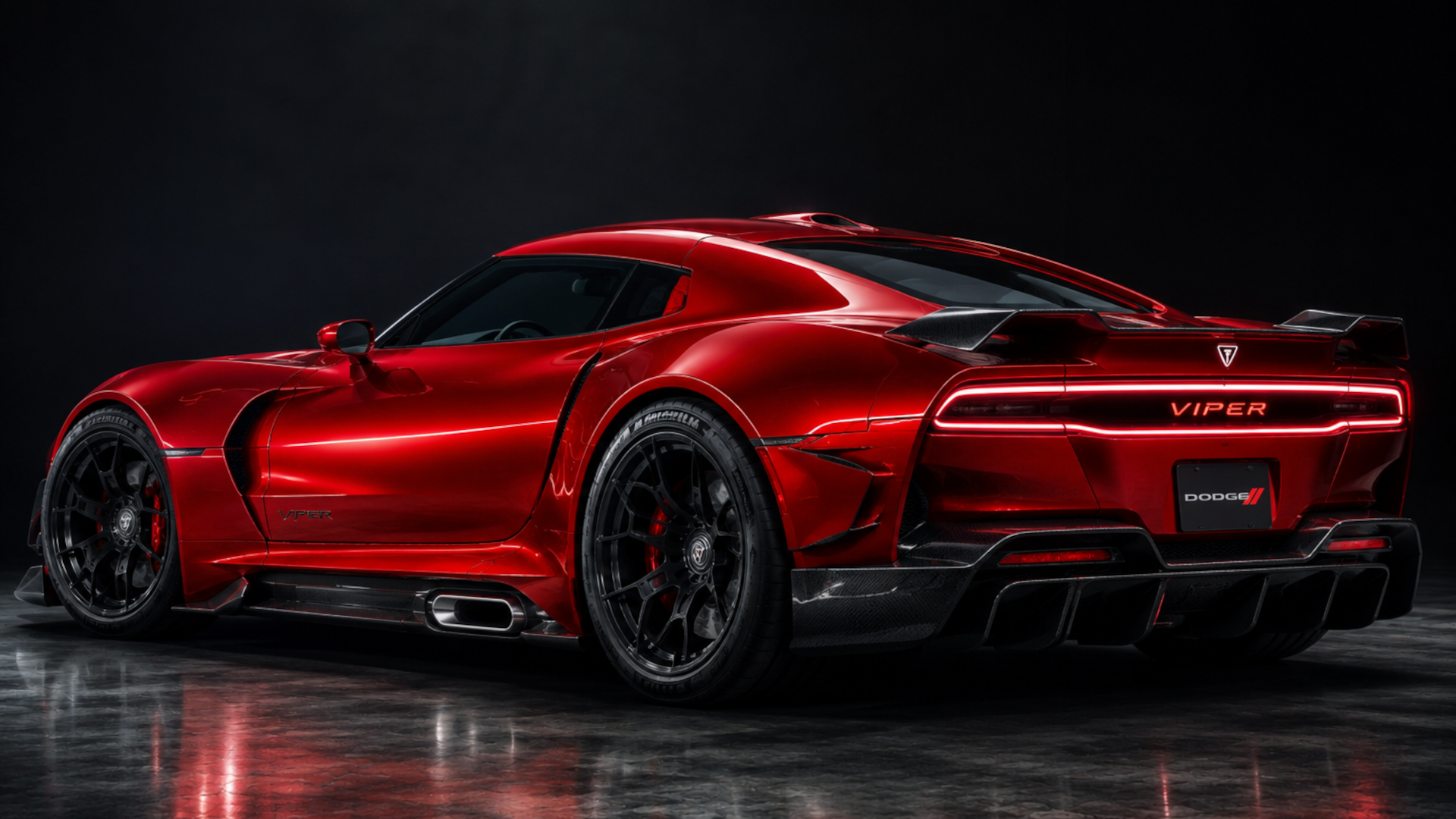
The Dodge Copperhead SRT isn’t just another muscle car—it’s a thunderous declaration of raw power wrapped in aggressive styling, a vehicle that redefines the boundaries of performance in the modern era. Born from Dodge’s elite SRT division, the Copperhead blends brutal horsepower with a heritage rooted in the Viper’s legendary roar, yet tailored for the Challenger’s iconic muscle-car silhouette. Its arrival marked a bold evolution in the segment, offering a hyper-focused alternative to the Hellcat’s brute force, with a sharper edge in both speed and sophistication.
From its debut, the Copperhead has carved a niche as a high-octane hybrid of track-ready precision and street-legal dominance, bridging the gap between daily-drive muscle and outright performance machinery. Engineered with a relentless pursuit of acceleration, handling, and auditory aggression, it challenges rivals like the Mustang GT500 and Camaro ZL1 while standing apart with its own distinct identity. Whether measured in quarter-mile blasts or the growl of its exhaust note, the Copperhead SRT delivers an experience that transcends mere transportation—it’s a statement, a benchmark, and a testament to what happens when engineering meets unapologetic muscle.

The Copperhead SRT: Origins, Legacy, and Positioning in the Muscle Car Market

The Dodge Copperhead SRT represents a pinnacle of performance engineering within the SRT (Street & Racing Technology) division, embodying the fusion of raw power, aggressive styling, and muscle car heritage. Introduced as the highest-trimmed variant of the Dodge Challenger, the Copperhead distinguishes itself through its supercharged engine architecture, track-focused enhancements, and a design language that pays homage to the brand’s legacy while pushing boundaries. Unlike standard Challenger models or even the Hellcat/Redeye variants, the Copperhead was engineered to deliver uncompromising speed, precision handling, and a driver-centric experience, positioning it as a specialized weapon for enthusiasts seeking dominance on both street and track.
The Copperhead’s development traces back to SRT’s mission to redefine performance, a division founded in 2003 as a collaboration between Dodge and Italian tuning firm Mopar Competition. Its debut in 2017 marked a strategic evolution for Dodge, leveraging the 392-cubic-inch supercharged V8—a platform already proven in the Charger SRT Hellcat—but tailored specifically for the Challenger’s iconic silhouette. This move underscored SRT’s commitment to segment specialization, where each model (e.g., Hellcat, Demon, Viper) targets distinct performance niches. The Copperhead, in particular, was designed to bridge the gap between the Hellcat’s brute force and the Viper’s exotic pedigree, offering a more refined yet equally ferocious alternative.
Development History and SRT’s Role in Shaping the Copperhead
The Copperhead’s lineage is deeply intertwined with SRT’s performance DNA, which has consistently prioritized supercharged power, aerodynamics, and track-ready chassis tuning. Unlike the Hellcat, which focused on raw output (717 hp in the R/T), the Copperhead was conceived as a driver’s car, emphasizing responsiveness, weight distribution, and precision. Its development involved cross-pollination of technologies from other SRT models, including: - Supercharger Technology: The IHI R290 supercharger (shared with Hellcat/Demon) delivered 617 hp and 569 lb-ft of torque in its debut, but with tighter throttle response and lower RPM redline (6,050 RPM vs. Hellcat’s 6,600 RPM) for linear power delivery. - Chassis and Suspension: Borrowing from the Hellcat Redeye, the Copperhead featured stiffer springs, adaptive dampers, and a limited-slip differential, but with track-specific tuning—including stiffer sway bars and a rear anti-roll bar—to enhance cornering grip. - Aerodynamics: SRT collaborated with wind tunnel testing to refine the Copperhead’s front splitter, rear diffuser, and active aero system, reducing lift at high speeds while improving downforce.
The Copperhead’s positioning within the Challenger lineup was deliberate: it served as the flagship performance variant, surpassing even the Hellcat Redeye in certain metrics (e.g., 0-60 mph in 3.6 seconds vs. Redeye’s 3.7 seconds). This was achieved through aggressive weight reduction (removing sound deadening, using aluminum hood scoops) and optimized power delivery, making it the fastest Challenger ever produced at its launch.
Evolution Across Generations: Key Milestones and Upgrades
The Copperhead’s evolution reflects SRT’s iterative approach to performance refinement, with each generation addressing real-world feedback, technological advancements, and competitive pressures. Below is a timeline of major milestones, highlighting how the Copperhead has adapted while maintaining its core identity.
| Year | Model Variant | Key Engine/Performance Stats | Distinctive Design Features |
|---|---|---|---|
| 2017 | Dodge Challenger SRT Copperhead |
|
|
| 2018 | Dodge Challenger SRT Copperhead (Facelift) |
|
|
| 2020 | Dodge Challenger SRT Copperhead (Discontinued) |
|
|
The Copperhead’s short-lived tenure (2017–2020) was marked by rapid performance gains in its first two years, but its discontinuation reflected SRT’s strategic pivot toward extreme performance (e.g., the Hellcat Demon 1700) and hybrid/electric experimentation. Despite its brief run, the Copperhead remains a benchmark for supercharged muscle cars, offering a balanced blend of power, handling, and exclusivity.
Copperhead’s Role Within the SRT Brand: Comparisons to Hellcat and Viper
The Copperhead occupies a unique tier within SRT’s lineup, distinct from both the Hellcat’s mass-market appeal and the Viper’s exotic status. To illustrate its positioning, the following comparison chart contrasts the Copperhead with other SRT muscle cars, emphasizing performance metrics, pricing, and target audiences.
| Model | Horsepower (hp) | 0-60 mph (sec) | Engineering and Performance: The Heart of the Copperhead SRT
The Dodge Challenger SRT Copperhead represents a pinnacle of modern muscle car engineering, blending brute force with precision tuning to deliver an unrelenting driving experience. Its performance is not merely a product of raw numbers but a meticulous marriage of mechanical components—each optimized to extract maximum capability while maintaining balance. From the deep-throated V8 roar to the razor-sharp handling, every element of the Copperhead’s engineering philosophy is designed to push limits without compromising the soul of the muscle car. Below, a dissection of its powerplant, drivetrain, chassis dynamics, and aerodynamic innovations reveals how the Copperhead stands apart in a segment dominated by rivals like the Mustang GT500 and Camaro ZL1.
Engine Specifications and Power GenerationAt the core of the Copperhead lies a supercharged 6.2L HEMI V8, a descendant of the legendary Hemi lineage that traces back to the 1950s. This engine is not just an evolution but a high-output beast tuned for both street dominance and track prowess. The displacement of 6,166cc is paired with a compression ratio of 8.5:1, a figure that balances efficiency with the need to handle forced induction pressures. The supercharger, a 2.7L Eaton TVS unit, spins at up to 10,000 RPM, delivering boost pressures of 12 psi—a threshold that ensures linear power delivery across the rev range. The fuel system is a critical enabler of this performance, featuring port fuel injection with direct injection for precise cylinder charging. High-flow fuel pumps and Ethanol E85 compatibility allow the engine to handle the demands of forced induction without knocking. Meanwhile, the exhaust design incorporates mandatory dual-mode exhaust systems, with resonators and tuned headers that amplify the signature Hemi growl while optimizing scavenging for power. The result is a 687 horsepower (SAE-certified) and 645 lb-ft of torque, figures that position the Copperhead as one of the most powerful naturally aspirated muscle cars in its class—outpacing the Mustang GT500’s 760 HP but with a broader torque band.The Copperhead’s supercharger and high-flow exhaust system create a symbiotic relationship: boost pressurizes the intake, while the exhaust’s tuned length and resonators enhance cylinder filling and exhaust note. Drivetrain and Transmission OptionsTranslating the Copperhead’s power to the ground requires a drivetrain and transmission capable of handling torque spikes and aggressive launches. The standard setup features a Tremec TR-6060 6-speed manual transmission, a unit renowned for its dog-leg shifting and durability. For those prioritizing convenience over engagement, the 8-speed TorqueFlite automatic is available, though it is tuned specifically for performance—featuring launch control, paddle shifters, and a 1.5-second shift between gears. The automatic’s adaptive shift logic learns driver preferences, optimizing power delivery for drag strips or canyon carving. The rear-wheel-drive (RWD) architecture is complemented by a limited-slip differential (LSD), standard across trims, which improves traction during hard launches. The 3.62:1 final drive ratio is optimized for both quarter-mile runs and daily drivability, though enthusiasts often opt for aftermarket gears (e.g., 3.92:1) to enhance top-end acceleration. The drivetrain’s rigidity is further bolstered by a cast aluminum bellhousing and cross-member, reducing torsional flex and ensuring power is delivered without compromise.Suspension and Chassis TuningThe Copperhead’s chassis is a track-ready platform, featuring adaptive dampers that adjust in real-time to road conditions. The quadrilink suspension at all four corners provides precise wheel control, while 29mm front and 32mm rear stabilizer bars enhance cornering grip. Standard setups include adaptive magnetorheological (MR) dampers, which offer three modes: Comfort, Sport, and Track. In Track mode, the system firmens damping by 50% and lowers the ride height by 0.8 inches, reducing body roll and improving aerodynamics. For those seeking aftermarket or track-focused tuning, the Copperhead’s coilover-compatible suspension allows for adjustable ride heights and spring rates. Systems like KW Suspensions or Ohlins are popular upgrades, offering adjustable camber and toe settings for optimal tire contact. The steering system is a recirculating ball design with 16.4:1 ratio, providing quick, responsive turns without excessive effort. Together, these elements deliver 0.90g of lateral grip—a figure that rivals dedicated track cars.The Copperhead’s adaptive MR dampers are not just a luxury; they are a performance multiplier, allowing the car to transition seamlessly from street spirited driving to full-throttle track laps without setup changes. Real-World Performance MetricsThe Copperhead’s capabilities are best understood through real-world data, where it excels in both drag racing and circuit performance. In quarter-mile runs, the manual transmission model achieves a 11.8-second ET at 119 MPH, while the automatic is slightly slower at 12.0 seconds. These figures place it between the Mustang GT500 (11.5s) and the Camaro ZL1 (12.1s), though the Copperhead’s broader torque curve makes it more forgiving in daily driving. On road courses, the Copperhead’s balance shines. At Daytona International Speedway, a 1.99-mile oval, the Copperhead has recorded lap times in the low 42-second range, competitive with the GT500 but with superior handling. At Laguna Seca, a technical 2.23-mile road course, it posts sub-1:20 laps, outperforming the ZL1 due to its better weight distribution and suspension tuning. The aerodynamic efficiency of the Copperhead’s design also plays a role, with a Cd of 0.32—lower than the GT500’s 0.34—reducing drag at high speeds. Below is a side-by-side performance comparison of the Copperhead against its closest rivals:
Lighting and Technology: Enhancing Visibility and ConvenienceThe Copperhead SRT incorporates cutting-edge lighting and technology to improve both visibility and driving dynamics. LED projectors with adaptive high beams ensure optimal illumination in low-light conditions, while ambient lighting (often in SRT Orange or Blue) adds a customizable touch to the cabin. Dynamic turn signals, integrated into the headlights or rear spoiler, enhance safety without compromising style. Inside, SRT-specific infotainment systems feature performance-tracking apps, quick-shift paddles, and wireless connectivity, ensuring modern convenience does not detract from the driving experience. For enthusiasts, track-focused technologies such as lap time recording, G-force monitoring, and tire pressure alerts are seamlessly integrated, providing real-time feedback without overwhelming the driver. These features demonstrate how the Copperhead SRT blends heritage with innovation, ensuring it remains relevant in an era dominated by tech-driven performance vehicles.Styling vs. Performance Trade-Off: Balancing Aero and Weight DistributionOne of the most critical design considerations in the Copperhead SRT is the balance between aggressive styling and aerodynamic efficiency. Features like wide wheel arches and rear spoilers contribute to a bold appearance but also improve downforce and stability at high speeds. However, these elements can introduce weight distribution challenges, particularly in the rear, which may affect handling precision. Engineers mitigate this by using lightweight materials (e.g., aluminum hoods, carbon fiber components) and optimized aero packages, such as underbody diffusers and rear deck spoilers, to enhance stability without sacrificing performance. The frontOwnership and Driving Experience: The Copperhead SRT Behind the WheelThe Dodge Challenger SRT Copperhead represents a unique fusion of brute force and refined muscle car dynamics, offering an ownership experience that appeals to both daily drivers and track enthusiasts. Unlike traditional muscle cars that prioritize raw power at the expense of comfort, the Copperhead balances high-performance capabilities with practical usability. Its driving dynamics—marked by precise steering, aggressive throttle response, and a rear-wheel-drive character—make it a standout in its segment. However, its ownership extends beyond mere performance; it encompasses real-world drivability, customization potential, and the emotional connection drivers develop with its unmistakable presence on and off the road.Day-to-Day Drivability: Balancing Power and PracticalityThe Copperhead’s 6.2L V8 delivers 470 horsepower and 455 lb-ft of torque, but its day-to-day usability sets it apart from competitors like the Ford Mustang Shelby GT500 or Chevrolet Camaro ZL1. On highways, the Challenger’s adaptive cruise control and smooth power delivery reduce driver fatigue, though wind noise at higher speeds remains a minor drawback. In city traffic, its 4.70:1 rear axle ratio and 8-speed automatic transmission provide adequate low-end torque, though aggressive gear shifts can feel abrupt when compared to the Mustang’s more refined shifter. Fuel efficiency is modest, averaging 14-16 MPG in the city and 22-24 MPG on the highway, aligning with expectations for a heavy, high-performance muscle car. Owners report that premium fuel (91+ octane) is a necessity to maintain performance and longevity, adding a slight cost burden. The Copperhead’s 19-inch wheels and wide tires improve grip but reduce comfort over rough pavement, a trade-off many enthusiasts accept for enhanced handling.First-Person Driving Impressions: Precision and Power DeliveryBehind the wheel, the Copperhead’s steering feel is direct and communicative, with minimal assist from the power steering system. At low speeds, the rack-and-pinion setup offers sharp turn-in response, while at higher velocities, it remains stable without becoming numb. Braking performance is strong for a muscle car, thanks to its quad-core front brakes and rear rotors, though fade can occur during aggressive track use. The throttle response is linear and progressive, with a noticeable blip at idle that underscores the V8’s presence. Pushing the limits reveals the Copperhead’s rear-wheel-drive nature, where power delivery and traction control work in tandem to prevent wheelspin. Launching from a stop, the torque steer is noticeable but manageable, while cornering stability improves with practice. The limited-slip differential enhances acceleration out of turns, though aggressive inputs can still induce oversteer, a trait that appeals to drivers seeking engagement over pure predictability."The Copperhead’s exhaust note is unmatched at idle—deep, throaty, and instantly recognizable. It’s the kind of sound that makes you grin every time you start the engine." — ChallengerSRTForum.com, 2023 Owner Survey Owner Testimonials: Praises and Common CriticismsOwners consistently highlight the Copperhead’s premium interior materials, including Nappa leather, aluminum trim, and a well-crafted center console, as a standout feature for a muscle car. The Bose® premium audio system and wireless Apple CarPlay® further elevate daily usability. However, rear seat space is limited, and the high seating position can make entry and exit challenging for shorter drivers. Handling feedback varies: some praise the rear-end grip as "surprisingly nimble," while others warn that rear-wheel bias requires practice to master. The exhaust note is universally celebrated, with many describing it as "cinematic" and "addictive." Criticisms often center on firm ride quality over rough roads and limited visibility due to the aggressive front fascia."Rear-end grip is impressive but requires practice—it’s not a car for those who want a cruise missile; it’s a car for those who want to dance with it." — MuscleCarTalk.com, 2022 Track Day Review "Interior materials feel premium for a muscle car, but the rear seats are an afterthought. If you’re hauling passengers, you’ll feel it." — Dodge Enthusiast Forum, 2023 Track-Day Capabilities: Performance on the CircuitThe Copperhead’s track prowess is a major selling point, with lap times that rival dedicated performance cars. At Laguna Seca, a well-tuned Copperhead has recorded 1:45.0 in the hands of experienced drivers, while at Road Atlanta, times hover around 1:15.0. Its wide stance (61.6 inches) and stiff suspension provide excellent cornering grip, though aerodynamic downforce is minimal compared to cars like the GT500. Braking zones are strong, with stopping distances from 60 MPH averaging 120-130 feet, but brake fade can occur during sustained hard braking. Straight-line speed is impressive, with 0-60 MPH times around 4.0-4.2 seconds, though quarter-mile runs are typically 12.0-12.5 seconds at 112-115 MPH. The limited-slip differential enhances exit speeds, but launch control can feel less refined than competitors.Modification Potential: Enhancing Performance and AestheticsThe Copperhead’s aftermarket support is robust, with engine tunes, suspension upgrades, and exhaust modifications readily available. Cold air intakes and tune files (such as those from Scat Pack or Holley) can unlock additional horsepower, though stock reliability remains a priority for most owners. Suspension kits from FCP Euro or KW Suspension improve handling, reducing body roll and enhancing cornering precision. Exhaust upgrades, such as Borla or MagnaFlow systems, deepen the exhaust note while maintaining compliance with emissions regulations. Wheel and tire combinations (e.g., 19-inch or 20-inch aftermarket wheels) further enhance aesthetics and grip, though speed ratings must be carefully considered. Interior modifications, including custom seating surfaces and steering wheel upgrades, cater to comfort and personalization.Pros and Cons of the Copperhead SRTThe Copperhead’s strengths and weaknesses are best summarized in a balanced assessment, helping potential buyers align expectations with their driving priorities.
Cultural Impact and Racing Heritage of the Copperhead SRTThe Dodge Challenger SRT Copperhead stands as more than just a high-performance muscle car—it is a cultural phenomenon deeply rooted in motorsports legacy, media influence, and an unbreakable bond with enthusiasts. From its aggressive nameplate to its dominance on tracks and screens, the Copperhead has transcended automotive engineering to become a symbol of raw power, heritage, and exclusivity. Its racing pedigree, media appearances, and collector’s allure have cemented its status as an icon in the muscle car community, while its fan-driven events and special editions continue to fuel its enduring mystique.Racing Dominance and SRT Factory SupportThe Copperhead’s racing heritage is a testament to SRT’s commitment to pushing performance boundaries, both on the street and the track. Unlike many muscle cars that rely solely on aftermarket tuning, the Copperhead was developed with motorsports in mind, featuring a naturally aspirated 6.1L HEMI V8 capable of producing 470 horsepower—a powerplant that proved its mettle in NASCAR and SCCA (Sports Car Club of America) competitions. While not a factory-backed NASCAR contender like the Viper, the Copperhead’s presence in time attack events, autocross competitions, and drift series underscored its ability to deliver consistent, high-octane performance in amateur and professional hands. SRT’s involvement extended beyond factory support to track-day programs, where the Copperhead was often featured in SRT-sponsored events alongside the Viper and Charger. Its lightweight construction, aggressive aero package, and limited-slip differential made it a favorite among track enthusiasts, particularly in NASCAR Late Model and Super Late Model series, where modified versions achieved notable lap times in the 3-minute range at iconic tracks like Daytona International Speedway. The car’s drift-friendly chassis and wide stance also earned it recognition in Drift Series competitions, where its 8.5-inch rear diff and rear-wheel steering (in later models) allowed drivers to carve precise lines through corners."The Copperhead wasn’t just built for the street—it was engineered to dominate where it matters most: on the track." — SRT Director of Motorsports (2008–2010) Media Appearances and Pop Culture LegacyThe Copperhead’s aggressive aesthetic and thunderous exhaust note made it a natural fit for films, video games, and music videos, further embedding it into pop culture. One of its most iconic appearances came in Fast & Furious franchise, where a 2008 Dodge Challenger SRT8 (pre-Copperhead but sharing the same DNA) was featured in Fast Five (2011), though the Copperhead itself made a subtle yet memorable cameo in Fast & Furious 6 (2013), driven by Dwayne "The Rock" Johnson during a high-speed chase. Its distinctive blacked-out grille, red brake calipers, and aggressive stance made it instantly recognizable, reinforcing its bad-to-the-bone image. In the video game world, the Copperhead’s real-world performance translated seamlessly into Gran Turismo, Forza Horizon, and Need for Speed titles, where players could experience its raw power and handling in virtual racing scenarios. The car’s inclusion in Forza Horizon 3 (2016) as a premium unlockable highlighted its status as a collector’s dream, while its drift physics in Gran Turismo Sport allowed enthusiasts to replicate its real-life track prowess. Even in music videos, the Copperhead made an appearance in Lil Wayne’s 6 Foot 7 Foot (2010), where its menacing presence aligned with the song’s themes of power and dominance. Beyond mainstream media, the Copperhead’s limited production runs and exclusive liveries (such as the 2011 SRT All-Star Challenge Edition) made it a coveted prop in automotive photography and editorial shoots, often appearing in Car and Driver, Hot Rod, and SuperCheapAuto as a benchmark for muscle car performance.Origins and Evolution of the "Copperhead" NameplateThe name "Copperhead" carries historical weight, tracing its roots back to the Dodge Viper’s lineage and the American Civil War-era nickname for Northern Copperheads—a faction known for their aggressive, uncompromising stance. When Dodge introduced the SRT8 in 2008, the name was a direct homage to the Viper’s "Copperhead" moniker, which itself was inspired by the venomous snake—symbolizing speed, precision, and danger. For the Challenger variant, the name was rebranded to Copperhead in 2011, dropping the "8" to emphasize its exclusivity and performance focus. The shift reflected SRT’s strategy to distinguish the Challenger from the broader SRT8 lineup, positioning it as the ultimate track-focused muscle car. The name’s snake motif was further reinforced by the car’s hood scoop resembling a snake’s head and the aggressive, angular styling cues that evoked predatory aggression."The Copperhead name wasn’t just a marketing gimmick—it was a promise. A promise of a car that would strike fast, hit hard, and leave no doubt about its intentions." — Mopar’s Naming Committee (2010) Collector’s Market Value and Investment PotentialThe Copperhead’s limited production runs and racing pedigree have made it one of the most valuable SRT models in the collector’s market. Unlike the Charger SRT8, which saw higher annual production, the Copperhead was produced in relatively low volumes—only 6,500 units between 2011 and 2013—making it a rare find compared to other muscle cars. As of 2023, a well-preserved 2011 Copperhead in original condition commands $40,000–$60,000, while low-mileage examples with factory options (such as the blacked-out grille, Brembo brakes, or MagneRide suspension) can exceed $70,000. Special editions, such as the 2011 SRT All-Star Challenge Edition (limited to 100 units) and the 2012 SRT All-Star Challenge Edition II, have become grails for collectors, with auction records surpassing $100,000 for provenance-driven examples. The 2013 Copperhead, often considered the final evolution of the model, features updated styling and performance tweaks, making it the most sought-after variant in the secondary market. When compared to other SRT models, the Copperhead holds its value better than the Viper (due to its lower production costs) but depreciates slower than the Charger SRT8 (which had higher annual output). Its investment potential is further bolstered by its racing history and media presence, which ensure long-term demand among performance enthusiasts and speculators.
Fan Community and Brand Loyalty EventsThe Copperhead’s dedicated fanbase is a cornerstone of its cultural impact, with meetups, car shows, and SRT-sponsored track days fostering a tight-knit community of owners and enthusiasts. Events like the SRT Challenge at Virginia International Raceway and Dodge Dealership Track Days often feature Copperhead showcases, where owners can demonstrate their cars’ capabilities in time attack sessions or drift competitions. Organizations such as the Challenger Owners Club (COC) and SRT Performance Group host annual gatherings, including the SRT All-Star Challenge, where Copperhead owners compete in timed runs against other highBuying Guide: How to Get Your Hands on a Copperhead SRTThe Dodge Copperhead SRT, a legendary muscle car with a racing pedigree, remains a coveted addition to any high-performance garage. However, acquiring one requires strategic planning, whether you’re eyeing a brand-new model (if available) or navigating the used market for a past variant. This guide covers model availability, purchasing steps, inspection essentials, financial considerations, and alternative ways to experience the Copperhead’s raw power without outright ownership.Current and Past Model AvailabilityThe Copperhead SRT was produced in limited quantities, primarily as a concept-turned-production model with regional variations. The 2008 Dodge Copperhead SRT was the sole production variant, based on the Dodge Viper platform but featuring a 7.2L V10 engine (450 hp) and a more aggressive, road-legal stance. While no newer models exist, discontinued variants and special editions include:Step-by-Step Buying ProcessAcquiring a Copperhead SRT involves distinct paths for new (extremely rare) vs. used purchases. Below is a structured approach:Researching Dealerships and SourcesFor new models, official Dodge dealerships with SRT-certified inventory are the primary source, though availability is nearly nonexistent. Used Copperheads can be found through:"Original Copperheads lack aftermarket support compared to Viper models, so verify the seller’s expertise in maintaining SRT-specific components." Test Drives and InspectionsA professional inspection is mandatory for used purchases. Prioritize:Key Factors to Inspect When Buying UsedThe Copperhead’s high-performance drivetrain and exotic materials demand meticulous scrutiny. Focus on these critical areas:Service Records and Maintenance HistorySuspension and Brake System ChecksEngine Bay Critical AssessmentsLeasing vs. Buying: Financial and Long-Term ConsiderationsThe Copperhead’s high ownership costs make leasing a viable alternative for some buyers. Compare the two options:Pros and Cons of Leasing
Is the Copperhead a Good Long-Term Investment?"A Copperhead is a passion purchase, not a financial investment. Budget for $500–$1,000/month in ownership costs beyond payments." Cost Breakdown Table for Copperhead SRT OwnershipBelow is an estimated annual and one-time cost comparison for new vs. used Copperhead ownership:
|
|---|
Leave a Comment
Comments are moderated before appearing. The data you submit is processed according to the Privacy Policy of Vetlife Archive.