| 3rd |
2019–Present |
- Always-on AMOLED displays (e.g., Galaxy Watch 4).
- Advanced sensors (ECG, blood pressure, temperature).
- Longer battery life (up to 7 days).
- Ultra-wideband (UWB) for precise tracking.
Key Features and Functionalities: What Sets Smartwatches Apart
Smartwatches transcend traditional timekeeping by integrating advanced sensors, intuitive interfaces, and specialized functionalities tailored to modern lifestyles. Their capabilities—ranging from health monitoring to seamless connectivity—distinguish them as indispensable companions for productivity, fitness, and security. Below is a structured exploration of the core features that define contemporary smartwatches, emphasizing their technological depth and practical applications.
Health and Fitness Tracking: Precision Sensors for Comprehensive Monitoring
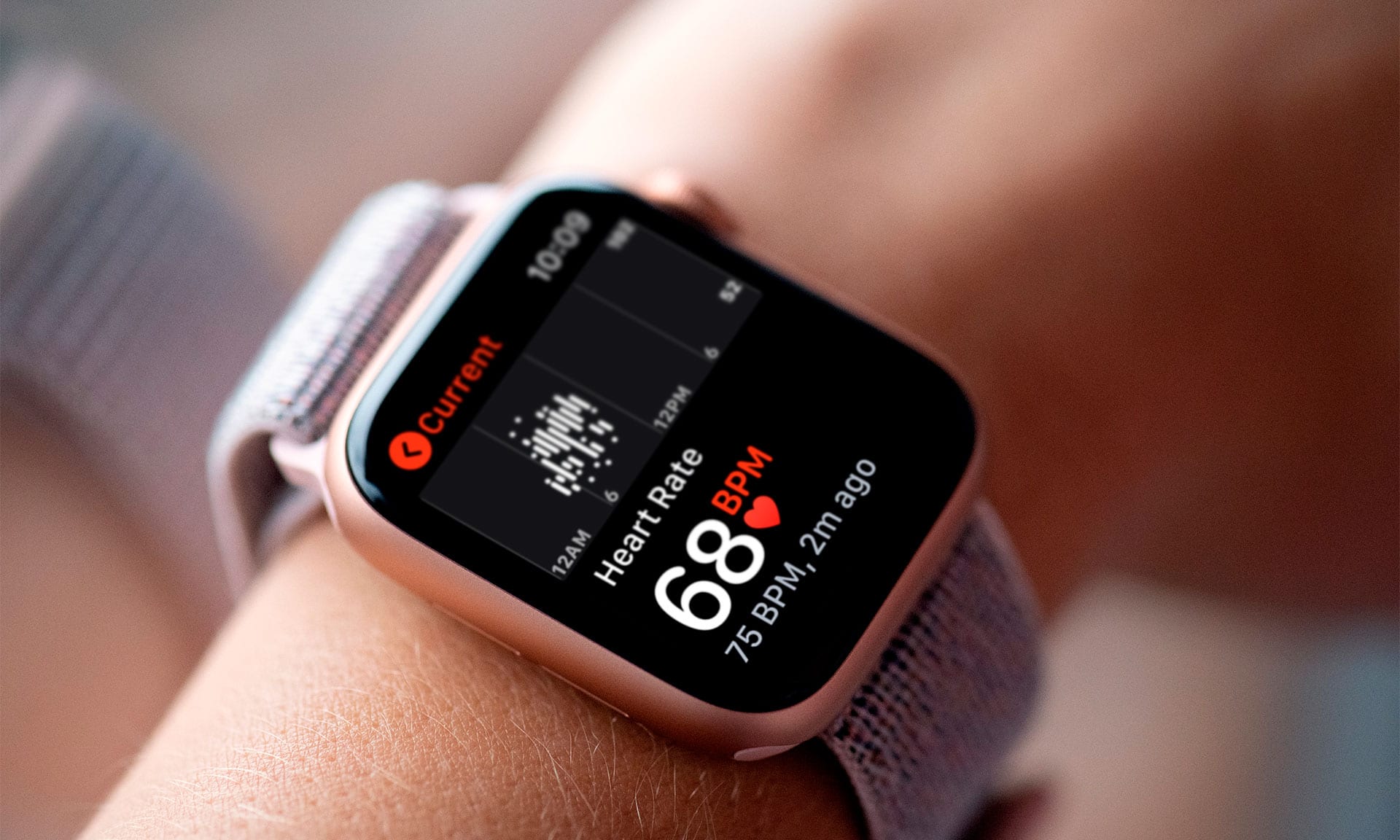
Modern smartwatches leverage an array of biosensors to deliver granular insights into physical and physiological metrics. Heart rate monitors, typically utilizing photoplethysmography (PPG), enable real-time tracking of cardiovascular activity, while SpO2 sensors measure blood oxygen saturation, crucial for detecting sleep apnea or altitude sickness. Advanced models, such as the Apple Watch Series 8 and Samsung Galaxy Watch 5, incorporate electrocardiogram (ECG) capabilities, allowing users to record and analyze heart rhythms with medical-grade accuracy. Accelerometers and gyroscopes further refine movement tracking, distinguishing between activities like running, swimming, or cycling to provide context-aware workout metrics.
Sleep analysis represents another pivotal application, with smartwatches monitoring resting heart rate variability, sleep stages (REM, deep, light), and disturbances via wrist-based motion detection. Stress detection algorithms, often utilizing skin temperature and heart rate fluctuations, offer personalized insights into mental well-being, prompting interventions like breathing exercises. For athletes, VO2 max estimations and recovery time assessments integrate with training programs to optimize performance. However, the accuracy of these sensors varies—ECG readings may require clinical validation, and blood pressure monitoring, though experimental in devices like the Withings ScanWatch, remains limited in adoption due to regulatory constraints.
Smartwatch Displays: Balancing Readability, Battery Life, and Durability
The display technology of a smartwatch directly impacts usability, with AMOLED, LCD, and E-Ink each offering distinct trade-offs. AMOLED screens, dominant in premium models like the Apple Watch Ultra and Garmin Venu 2, deliver vibrant colors, high contrast, and deep blacks, enhancing readability even in sunlight. Their OLED architecture also allows for always-on displays, though this consumes significantly more battery power. LCD screens, found in budget-friendly options such as the Amazfit GTS 4, prioritize energy efficiency and durability, often featuring anti-glare coatings for outdoor visibility. E-Ink displays, rare in smartwatches but present in devices like the Pebble Time, excel in battery longevity (weeks of use) but suffer from slow refresh rates and monochrome limitations, making them unsuitable for dynamic content.
Durability is another critical factor, with sapphire crystal glass (e.g., Apple Watch Series 8) providing superior scratch resistance compared to gorilla glass (e.g., Samsung Galaxy Watch 6). Flexible AMOLED displays, as seen in the Galaxy Watch 6 Classic, offer a hybrid smartwatch-watch form factor, though they are prone to screen damage under pressure. Reflective LCDs with adaptive brightness (e.g., Fitbit Sense 2) further extend battery life by reducing power draw during prolonged use.
Notifications and Communication: Seamless Connectivity on the Wrist
Smartwatches serve as miniature command centers, aggregating calls, messages, and app alerts without requiring a smartphone. Call management varies by model—Apple Watch supports direct cellular models (e.g., Apple Watch SE 2023) for standalone operation, while others rely on Bluetooth pairing with a paired phone. Voice-assisted responses (via Siri, Google Assistant, or Bixby) allow users to dictate texts, set reminders, or navigate hands-free. Quick replies for WhatsApp, iMessage, or SMS are customizable, with swipe gestures or canned responses streamlining communication. Email and calendar integrations (e.g., Gmail, Outlook) enable priority-based notifications, though detailed email reading remains limited due to small screens.
Third-party app ecosystems, such as Galaxy Wear OS or Apple’s WatchOS App Store, expand functionality with weather updates, stock trackers, and meditation guides. However, app performance depends on processing power and RAM—wear OS devices (e.g., Galaxy Watch 6) handle multitasking better than iOS-based watches, which are constrained by Apple’s sandboxing. Offline storage for music, podcasts, or maps (e.g., Garmin’s TopoActive maps) ensures connectivity remains uninterrupted during outdoor activities.
Near Field Communication (NFC) enables contactless payments via mobile wallets like Apple Pay, Google Pay, or Samsung Pay, with tokenization ensuring transaction security. Biometric authentication—including fingerprint scanners (e.g., Samsung Galaxy Watch 6) and facial recognition (e.g., Apple Watch Ultra)—adds an extra layer of protection, though facial recognition on smartwatches is less reliable due to angle-dependent accuracy. PIN or passcode locks further deter unauthorized access, while emergency SOS features (e.g., Apple Watch’s fall detection) can auto-dial emergency services when motionless for an extended period.
Privacy concerns persist, particularly with always-on sensors that may log heart rate or location data without explicit user awareness. Encrypted storage and on-device processing (e.g., Apple’s Secure Enclave) mitigate risks, but users must regularly update firmware to patch vulnerabilities. Bank-grade security certifications (e.g., PCI DSS compliance) apply to payment functionalities, though third-party app permissions remain a potential weak point.
Feature Comparison: Top Smartwatches (2023 Models)
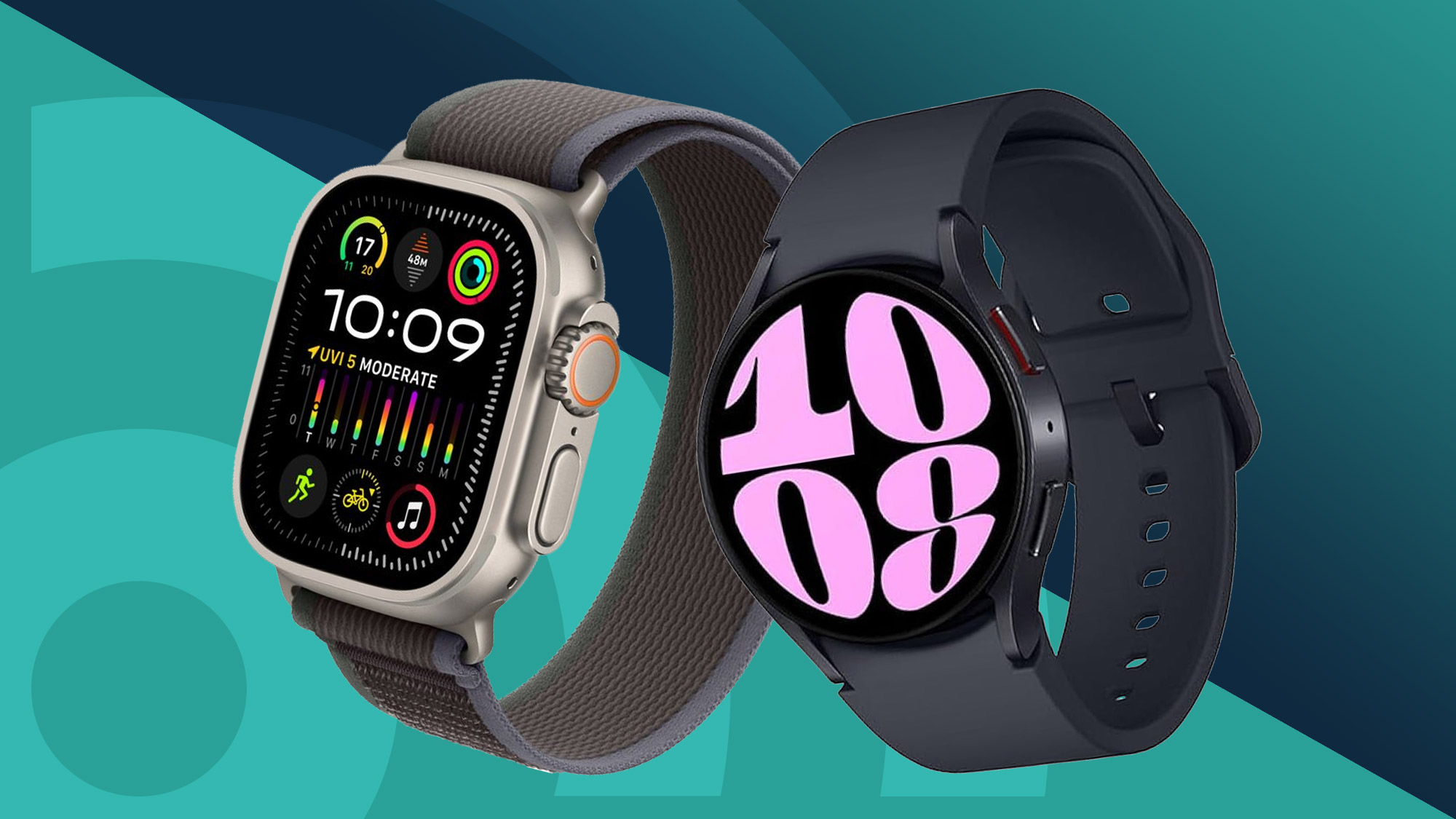
The following table contrasts 10 essential features across five leading smartwatches, highlighting their strengths in battery life, health tracking, and niche functionalities.
| Feature |
Apple Watch Series 8 |
Samsung Galaxy Watch 6 Classic |
Garmin Venu 2 |
Fitbit Sense 2 |
Amazfit GTS 4 |
| Battery Life |
18–36 hours (always-on display) |
40–48 hours (AMOLED) |
7–14 days (E-Ink-like AMOLED) |
6 days (black & white) |
14–16 days (reflective LCD) |
| Water Resistance |
50m (swim-proof, shower-safe) |
5 ATM (diving mode, 150m) |
5 ATM (swim, snorkel, shower) |
5 ATM (swim, shower) |
5 ATM (swim, shower) |
| Health Sensors |
ECG, blood oxygen, temperature, fall detection |
ECG, blood pressure (experimental), SpO2 |
HRV, pulse ox, advanced sleep tracking |
Skin temperature, stress management, ECG |
HR, SpO2, sleep stages |
| Display Technology |
Always-on Retina OLED (1.97") |
Super AMOLED (45mm, hybrid) |
AMOLED (1.3") with adaptive brightness |
AMOLED (1.4") with auto-brightness |
Reflective LCD (1.54") |
| Operating System |
watchOS (iOS exclusive) |
Wear OS (Android, Tizen hybrid) |
Garmin OS (standalone) |
Fitbit OS (Google Health integration) |
Hardware and Software: The Engine Behind Smartwatches
Smartwatches represent a convergence of cutting-edge hardware and sophisticated software, transforming them from simple timekeeping devices into powerful computational companions. The performance, efficiency, and functionality of a smartwatch hinge on its internal architecture—from the processor and memory to battery technology and sensor integration. Meanwhile, the operating system and software ecosystem dictate app compatibility, user experience, and long-term usability. These elements collectively define whether a smartwatch excels in real-world applications or remains limited by technical constraints.
At the heart of a smartwatch lies its processor, which determines computational speed, power efficiency, and multitasking capabilities. Leading manufacturers leverage specialized chips optimized for wearables, such as Qualcomm’s Snapdragon Wear series (e.g., SM8450 for Wear OS) or Apple’s S-series (e.g., S8/S9 for watchOS). These processors balance CPU performance (measured in DMIPS or Geekbench scores) with power efficiency (measured in watts per task). For instance, the Snapdragon Wear 5100 integrates an Adreno GPU for smoother graphics, while Apple’s S9 prioritizes low-power efficiency with a custom-designed architecture.
Memory and storage further influence performance. Most smartwatches feature 1GB–2GB RAM for multitasking (e.g., running fitness apps alongside navigation), while storage ranges from 16GB to 128GB, primarily for app installations and media caching. High-end models like the Apple Watch Series 9 or Samsung Galaxy Watch 6 use eMMC or UFS storage, enabling faster data access compared to older eMMC-based alternatives.
Battery Technologies and Real-World Longevity
Battery life remains a critical bottleneck, with lithium-ion (Li-ion) and lithium-polymer (LiPo) batteries dominating the market due to their energy density and safety. These batteries typically offer 1–7 days of usage, depending on features enabled. Apple Watch Ultra achieves ~36 hours with extreme power-saving modes, while Garmin Venu 3 extends to 14 days in smartwatch mode by limiting background syncs.
Emerging alternatives include:
Solar charging: Integrated in models like the Garmin Instinct Solar, supplementing battery life with ambient light absorption (adding ~24 hours to battery life).
Wireless charging: Enabled via Qi standard or proprietary coils (e.g., Samsung’s Fast Wireless Charging), reducing cable dependency but often at the cost of slower charging speeds (~50–70% in 30–45 minutes vs. wired charging’s 80% in 15 minutes).
Power consumption factors include:
Always-on displays (e.g., Apple Watch’s Retina display consumes ~30% more battery than a monochrome screen).
Background app refreshes (e.g., Wear OS syncs data aggressively, while watchOS limits background activity).
Connectivity modes (cellular models like Galaxy Watch 6 Classic drain battery faster than Bluetooth-only variants).
Processor Architectures: Benchmark Comparison
The choice of processor directly impacts speed, efficiency, and supported features. Below is a comparison of leading smartwatch processors, including benchmarks for CPU performance (DMIPS), GPU performance (GFLOPS), and power efficiency (mW/MHz):
| Processor |
Manufacturer |
Architecture |
CPU Cores |
CPU Performance (DMIPS) |
GPU (GFLOPS) |
Power Efficiency (mW/MHz) |
Typical Battery Life (Days) |
| Apple S9 |
Apple (Custom) |
4nm FinFET |
Dual-core (2x) |
~1,500 |
N/A (Integrated) |
0.5–1.0 |
1–3 (watchOS optimizations) |
| Qualcomm Snapdragon Wear 5100 |
Qualcomm |
4nm |
Dual-core (2x Kryo) |
~1,200 |
1.0 (Adreno 640) |
0.6–1.2 |
1–2 (Wear OS overhead) |
| Exynos W920 |
Samsung |
4nm |
Dual-core (2x Cortex-A55) |
~800 |
0.5 (Mali-G68) |
0.4–0.8 |
1–2 (Tizen optimizations) |
| MediaTek MT6876 |
MediaTek |
6nm |
Octa-core (2x Cortex-A76 + 6x A55) |
~2,500 |
2.0 (Mali-G57) |
0.8–1.5 |
1–1.5 (High performance) |
Key takeaways:
Apple S-series excels in efficiency due to deep watchOS integration, sacrificing raw performance for longer battery life.
Qualcomm Snapdragon Wear offers balanced performance for Wear OS, supporting advanced features like real-time translation (Google Lens).
MediaTek MT6876 provides high-end performance for budget-conscious users but consumes more power.
Operating Systems: Ecosystem Lock-In and Customization
The operating system (OS) dictates a smartwatch’s app ecosystem, customization, and hardware compatibility. The three dominant platforms—watchOS (Apple), Wear OS (Google), and Tizen (Samsung)—each enforce distinct trade-offs:
watchOS:
Closed ecosystem: Apps require Apple’s approval, ensuring stability but limiting third-party innovation.
Seamless iPhone integration: Features like Fall Detection or ECG monitoring rely on iOS syncing.
Limited customization: Home screen layouts and watch faces are pre-approved, reducing user flexibility.
Wear OS:
Open architecture: Supports Android and iOS, with broader app access via Google Play Store.
Modular design: Allows custom watch faces (e.g., Wear OS 3.0’s new UI engine) and third-party app stores.
Fragmentation risk: Performance varies across devices due to manufacturer skinning (e.g., Fossil’s SmartWatch OS).
Tizen:
Samsung-centric: Optimized for Galaxy Watch hardware, with deep Bixby integration.
Hybrid apps: Supports both Tizen Store and web-based apps, bridging legacy and modern development.
Limited cross-platform support: Primarily designed for Samsung devices, with minimal iOS compatibility.
Software updates further highlight these differences:
watchOS receives annual updates with 5+ years of support (e.g., Series 3 launched in 2017 still gets updates).
Wear OS updates are less consistent, with some devices (e.g., Motorola Moto 360) receiving only 1–2 major updates.
Tizen follows Samsung’s Galaxy ecosystem, with updates tied to Android versions (e.g., Tizen 6.0 aligns with Android 12).
Sensor Integration: Beyond Fitness Tracking
Modern smartwatches integrate dozens of sensors, expanding functionality into navigation, environmental monitoring, and health diagnostics. Key sensors include:
Environmental sensors:
Barometer: Tracks altitude changes (e.g., Garmin’s AMB23
Smartwatches in Daily Life: Practical Applications and Use Cases
Smartwatches have evolved from mere fitness trackers into indispensable tools that seamlessly integrate into diverse aspects of daily life. Their versatility extends beyond personal health monitoring, offering tailored solutions for professionals, athletes, parents, travelers, and individuals with unique accessibility needs. By leveraging advanced sensors, connectivity, and specialized software, smartwatches enhance productivity, safety, and convenience across industries and environments—even in extreme conditions where traditional devices fail.
The adaptability of smartwatches lies in their ability to function as context-aware companions, providing real-time data and automation tailored to specific scenarios. Whether synchronizing with workplace tools to streamline workflows, guiding athletes through precision training, or ensuring the safety of children in real time, these devices redefine how technology interacts with human activity. Below are key applications demonstrating their transformative impact across various domains.
Workplace Productivity Enhancements for Professionals
Smartwatches serve as silent productivity multipliers for professionals by consolidating critical information and enabling hands-free interactions. Executives, developers, and field workers rely on features such as calendar integration, email summaries, and voice commands to manage tasks without disrupting focus. For example, the Apple Watch and Garmin Venu 2 support Siri/Google Assistant shortcuts, allowing users to dictate emails, schedule meetings, or set reminders via wrist gestures or voice activation. Developers benefit from code snippet integrations (e.g., via GitHub or Visual Studio), enabling quick access to project updates or debugging alerts directly on their wrist.
Calendar and email management is optimized through AI-driven prioritization, where smartwatches filter urgent notifications and provide concise summaries of meetings or deadlines. Tools like Microsoft Outlook integration on Wear OS devices allow users to swipe through emails, accept calls, or respond with pre-set templates without unlocking their phones. Additionally, haptic feedback ensures silent alerts for calls or messages, crucial in noisy or collaborative work environments.
For field workers in logistics or construction, smartwatches with offline maps (e.g., Garmin’s TopoActive maps) and two-way radio integrations (e.g., Motorola Solutions compatibility) enhance coordination. Fleet managers use devices like the Samsung Galaxy Watch to track vehicle routes, monitor driver fatigue via heart rate variability (HRV), and receive real-time traffic updates without diverting attention from the road.
Fitness and Wellness: Personalized Coaching and Recovery Tracking
The integration of biometric sensors, AI-driven analytics, and third-party app ecosystems has positioned smartwatches as essential training partners for athletes and fitness enthusiasts. Devices like the Apple Watch Series 8 and Polar Vantage V3 offer guided workout modes (e.g., interval training, yoga, or swimming) with real-time adjustments based on heart rate, pace, and fatigue levels. Nike Training Club (NTC), available on most smartwatches, provides video-led workouts with progress tracking, while Strava integration allows users to log activities, join challenges, and analyze performance trends across runs, rides, or hikes.
Recovery and sleep optimization are critical features for preventing overtraining. Smartwatches monitor sleep stages (light, deep, REM), resting heart rate (RHR), and oxygen variability index (OVI) to suggest adjustments in training intensity. The Whoop Strap (compatible with select smartwatches) further refines recovery insights by tracking HRV and strain metrics, enabling athletes to optimize rest days for peak performance. For chronic condition management, devices like the Apple Watch detect irregular heart rhythms (AFib) and prompt users to seek medical evaluation, bridging the gap between personal wellness and professional healthcare.
Extreme Environments: Ruggedized Designs for Military, Aviation, and Underwater Use
Smartwatches in high-stakes environments undergo military-grade certifications (e.g., MIL-STD-810G) to withstand extreme temperatures, water pressure, and electromagnetic interference. The Casio G-Shock GPS-Watch and Garmin Fenix 7 are designed for military and outdoor professionals, featuring:
Anti-magnetic seals to prevent compass malfunctions near metal or electronic equipment.
Solar-powered or long-lasting battery options (e.g., Garmin’s 14-day battery life in smartwatch mode).
Barometric altimeters and multi-GPS tracking for navigation in GPS-denied zones.
Resistance to saltwater, sand, and dust (IP68/IP69K ratings).
In aviation, smartwatches like the Suunto Race or Coros Apex 2 are used by pilots and air traffic controllers for altitude tracking, flight logging, and emergency beacon activation. Underwater applications include the Garmin Descent Mk2, which tracks diving metrics (e.g., no-decompression limits, tank pressure) and syncs with diving computers for post-dive analysis. For search-and-rescue operations, devices like the Garmin inReach Mini 2 integrate satellite messaging (SMS/email via Iridium) to send distress signals with GPS coordinates.
Parenting and Child Safety: GPS Tracking and Emergency Alerts
Smartwatches equipped with GPS and cellular connectivity (e.g., Samsung Galaxy Watch with child bands) serve as digital lifelines for parents monitoring young children. Features include:
Real-time GPS location sharing with geofencing alerts when children leave designated safe zones.
Two-way voice communication via walkie-talkie modes (e.g., JioSmart Watch in India).
Emergency SOS buttons that trigger 911 calls or predefined contacts with location data.
Sleep and activity tracking to monitor rest patterns and encourage healthy habits.
For older adults or individuals with autism, smartwatches like the Apple Watch with Fall Detection or Lumie Beat provide automated fall alerts and medication reminders. School districts in regions like Singapore and South Korea have piloted smartwatch programs to track attendance and ensure student safety during commutes.
Healthcare Applications: Remote Monitoring and Chronic Disease Management
Smartwatches are FDA-cleared medical devices in select regions, enabling remote patient monitoring (RPM) for conditions like hypertension, diabetes, and cardiac arrhythmias. The Apple Watch ECG app (Class II medical device) detects atrial fibrillation (AFib) with 98% accuracy, while continuous glucose monitoring (CGM) integrations (e.g., Dexcom G6 with Apple Watch) allow diabetics to track blood sugar levels without fingerpricks. Hospitals and telehealth providers use smartwatches to:
Monitor post-surgical recovery via heart rate and activity levels.
Detect early signs of sepsis through elevated heart rate and temperature trends.
Reduce readmission rates by providing real-time data to physicians via EHR integrations (e.g., Epic Systems).
Partnerships with healthcare providers (e.g., Mayo Clinic’s Vitality Program) offer personalized coaching based on smartwatch data, while insurance companies (e.g., Humana’s H2 wellness program) incentivize users with discounts for meeting health goals. In pandemic scenarios, smartwatches tracked symptoms like fever and cough duration, aiding in early intervention.
Industry-Specific Applications: Logistics, Retail, and Hospitality
Smartwatches streamline operations across industries by automating workflows and reducing manual data entry. Below is a comparative table of sector-specific use cases:
| Industry |
Smartwatch Model |
Key Applications |
Technological Features |
| Logistics |
Garmin Instinct 2 |
- Route optimization via offline maps and turn-by-turn navigation.
- Driver fatigue monitoring using HRV and sleep tracking.
- Package delivery tracking with Bluetooth scanners for proof of delivery.
|
- Barometric altimeter for elevation-based route adjustments.
- Vibration alerts for silent notifications in noisy warehouses.
- Durable design (MIL-STD-810G) for
Choosing the Right Smartwatch: Factors to Consider
Selecting an ideal smartwatch requires balancing technical specifications, brand ecosystems, and personal preferences to ensure long-term satisfaction. With the market flooded by options catering to fitness enthusiasts, tech-savvy professionals, and casual users, the decision hinges on aligning features with specific needs—whether it’s battery efficiency for globetrotters, advanced health monitoring for medical professionals, or seamless integration with existing devices. This section deciphers the critical factors influencing smartwatch selection, from compatibility constraints to customization options, while addressing common missteps that compromise user experience.
Essential Features Based on User Needs
Prioritizing features depends on individual lifestyle and requirements, with some functionalities acting as dealbreakers for certain user groups. For instance, travelers prioritize battery life exceeding 48 hours and GPS with offline maps, while health-conscious users demand electrocardiogram (ECG) capabilities, blood oxygen monitoring (SpO2), and sleep tracking accuracy. Tech enthusiasts may focus on always-on displays, customizable widgets, and fast processor speeds, whereas luxury buyers prioritize premium materials (titanium, sapphire glass) and brand prestige.
A structured checklist ensures users avoid overspending on irrelevant features while missing critical ones. Below are non-negotiable features categorized by use case:
- Fitness and Health Tracking:
- Heart rate variability (HRV) monitoring for stress analysis.
- Advanced workout modes (swimming, hiking, cycling) with auto-pause/resume.
- Blood pressure monitoring (limited to select models like Withings ScanWatch).
- Hydration and nutrition tracking via companion apps.
- Connectivity and Independence:
- Cellular connectivity (LTE/5G) for standalone use without a smartphone.
- Wi-Fi and Bluetooth 5.0+ for low-latency data transfer.
- NFC for contactless payments (Apple Pay, Google Pay, Samsung Pay).
- Battery Optimization:
- Modular battery designs (e.g., Garmin’s removable battery packs).
- Adaptive brightness and power-saving modes.
- Real-world battery life reviews (e.g., Apple Watch Series 8 averages 18 hours vs. Garmin Venu 2’s 14 days).
- Design and Durability:
- Water resistance (ISO 22810:2010 standards; e.g., 5ATM for swimming, 10ATM for diving).
- Material choices (aluminum for affordability, stainless steel for premium builds).
- Modular band compatibility (22mm vs. 20mm lug sizes).
- Software and Ecosystem:
- Operating system updates (e.g., Wear OS’s Google Play Store access vs. Apple Watch’s walled garden).
- Third-party app support (e.g., Spotify integration, Strava for runners).
- Voice assistant compatibility (Siri, Google Assistant, Bixby).
blockquote
"A smartwatch’s value is determined by how well it solves specific problems—ignoring one’s primary use case often leads to buyer’s remorse."
blockquote
Brand Ecosystems and Compatibility
Smartwatch functionality is intrinsically tied to the ecosystem it operates within, dictating compatibility, software updates, and long-term support. Apple Watch, for instance, thrives in iOS-centric environments, offering deep integration with iPhones (e.g., seamless app launches, iMessage mirroring) but locking users into Apple’s ecosystem. Conversely, Google Wear OS provides cross-platform flexibility, running on both Android and iOS devices, though with less polish on iPhones. Samsung’s Tizen OS is optimized for Galaxy smartphones, delivering features like DeX mode for desktop-like experiences but limiting functionality on non-Samsung devices.
- Apple Watch:
- Best for: iPhone users seeking cohesive health and fitness tracking.
- Pros: Long-term software support (7+ years), ECG certified, Apple Pay dominance.
- Cons: Limited customization, iOS exclusivity, higher cost.
- Ideal models: Series 8 (performance), SE (budget), Ultra (rugged).
- Google Wear OS:
- Best for: Android users wanting app variety and customization.
- Pros: Cross-platform (works with iPhones post-2018), Google Assistant integration.
- Cons: Fragmented updates, weaker health sensors than competitors.
- Ideal models: Pixel Watch 2 (Google’s in-house), Fossil Gen 6 (third-party).
- Samsung Tizen:
- Best for: Galaxy users leveraging Samsung’s ecosystem (e.g., Samsung Health, Knox security).
- Pros: Large display options, Bixby routines, Galaxy Buds integration.
- Cons: Limited app store, Android dependency for full features.
- Ideal models: Galaxy Watch 6 (premium), Watch 4 (budget).
- Independent Brands:
- Best for: Niche users (e.g., Garmin for athletes, Fitbit for sleep tracking).
- Pros: Specialized features (e.g., Garmin’s AMOLED displays, Fitbit’s community challenges).
- Cons: Poor smartphone integration, proprietary ecosystems.
- Ideal models: Garmin Venu 3 (ultra-premium), Fitbit Sense 2 (health-focused).
blockquote
"Choosing a smartwatch outside your existing ecosystem often means sacrificing convenience—unless the trade-off aligns with a clear priority (e.g., fitness over notifications)."
blockquote
Price-to-Feature Ratio Across Smartwatch Tiers
The smartwatch market segments into budget (<$150), mid-range ($150–$300), and premium ($300+) tiers, each offering distinct value propositions. Budget models prioritize basic health tracking and notifications, mid-range devices balance performance and affordability, while premium watches deliver cutting-edge features and luxury materials. Understanding these tiers helps users avoid overpaying for redundant functionalities or settling for underpowered alternatives.
| Tier |
Price Range |
Target Audience |
Key Features |
Value Proposition |
Example Models |
| Budget |
$50–$150 |
Casual users, students, basic fitness tracking |
- Step counting, heart rate monitor.
- Basic smartphone notifications.
- 1–3 day battery life.
- Plastic or silicone builds.
|
Affordable entry into smartwatches; sufficient for non-demanding users. |
Amazfit Bip U Pro, Xiaomi Mi Band 7, Fitbit Inspire 3 |
| Mid-Range |
$150–$300 |
Fitness enthusiasts, professionals, tech-savvy users |
- Advanced health metrics (SpO2, stress tracking).
- AMOLED displays, customizable watch faces.
- 5
Future of Smartwatches: Trends and Innovations on the Horizon
The evolution of smartwatches has transcended mere timekeeping, embedding themselves as indispensable health, productivity, and connectivity hubs. As technology advances, the trajectory of smartwatches points toward deeper integration with human biology, autonomous functionality, and sustainable innovation. Emerging trends—spanning health monitoring, AI-driven personalization, battery breakthroughs, and connectivity—are reshaping the boundaries of wearable technology. From predictive diagnostics to standalone 5G devices, the future promises features that blur the line between machine and human, redefining how wearables interact with daily life and health management.
Emerging Health Monitoring Technologies
Health monitoring in smartwatches is entering a new era of precision and accessibility, with sensors capable of tracking biomarkers previously reserved for clinical settings. Continuous Glucose Monitoring (CGM) represents a paradigm shift for diabetics, as devices like the Apple Watch Series 9 (with FDA-cleared CGM integration) and Garmin Venu 3 now offer real-time glucose trend analysis without finger-prick tests. These systems leverage photonic sensors to measure interstitial fluid glucose levels, transmitting data to companion apps for trend visualization and insulin dosage recommendations.
Advanced sleep staging has also matured, with wearables now distinguishing between light, deep, and REM sleep phases using multi-parametric sensors (e.g., Whoop 4.0, Oura Ring Gen 3). These devices correlate heart rate variability (HRV), respiratory rate, and body temperature to generate sleep architecture reports, helping users optimize recovery. Meanwhile, non-invasive blood pressure (BP) tracking is gaining traction, with models like the Samsung Galaxy Watch 6 employing PPG (photoplethysmography) and AI algorithms to estimate systolic/diastolic BP from wrist-based readings. While not yet a clinical replacement, these tools provide trend analysis for early hypertension detection.
AI and Machine Learning Integrations
Artificial intelligence is transforming smartwatches from passive data collectors into proactive health advisors. Predictive health insights leverage machine learning to anticipate risks—such as atrial fibrillation (AFib) detection via irregular heartbeat patterns (e.g., Apple Watch’s irregular rhythm notifications) or stress prediction through cortisol-level estimations (e.g., Fitbit’s Stress Management Score). Algorithms analyze longitudinal data to deliver personalized recommendations, such as adjusting workout intensity based on recovery trends or suggesting hydration breaks via sweat loss sensors.
Adaptive learning further refines user experiences by customizing notifications and interfaces. For instance, Google’s Wear OS uses context-aware AI to suppress irrelevant alerts during workouts or prioritize calls from emergency contacts during high-stress periods. Natural language processing (NLP) enables voice assistants (e.g., Siri on Apple Watch, Google Assistant on Wear OS) to execute complex tasks—like summarizing calendar events or dictating texts—via wrist-based interactions, reducing smartphone dependency.
Advancements in Battery Technology
Battery life remains a critical bottleneck, but innovations like solid-state batteries and energy harvesting are poised to extend usability. Solid-state batteries, replacing liquid electrolytes with ceramic or polymer materials, offer higher energy density, faster charging, and improved safety (e.g., solid-state prototypes by Apple and Qualcomm). Early adopters like the Garmin Venu 3 already employ low-power modes and adaptive brightness to conserve energy, while ultra-fast charging (e.g., 30-minute full charge on the Huawei Watch GT 4) reduces downtime.
Energy harvesting introduces sustainable power sources, with kinetic energy (e.g., Empathetic Watch’s motion-based charging) and solar panels (e.g., Pebble Time’s solar-powered variants) supplementing traditional batteries. Piezoelectric materials, which generate electricity from movement, could further extend battery life in future devices, though scalability remains a challenge.
5G and Standalone Smartwatches
The rise of 5G connectivity is enabling smartwatches to operate independently of smartphones, unlocking features like direct calls, messaging, and mobile payments. Devices such as the Samsung Galaxy Watch 6 Classic and Apple Watch Series 9 support eSIM integration, allowing users to pair them with cellular plans for standalone functionality. This shift is critical for emergency scenarios, where users can summon help via SOS messaging or real-time location sharing without a nearby phone.
Standalone smartwatches also enhance workout tracking by syncing with GPS and cellular networks for accurate outdoor navigation, even in areas with poor Bluetooth connectivity. Additionally, digital wallets (e.g., Apple Pay, Google Pay) are becoming more secure with biometric authentication (facial recognition, ECG), reducing reliance on physical cards.
Wearable-to-Wearable Interactions
The future of wearables lies in interoperability, where devices seamlessly share data across ecosystems. Smart rings (e.g., Oura Ring, Ultrahuman Ring) and smart clothing (e.g., Rhythm’s ECG shirts, Hexoskin’s smart fabric) complement smartwatches by providing complementary health metrics. For example, an Oura Ring can log sleep stages and body temperature, while a smartwatch tracks heart rate and activity, creating a holistic health profile in a single dashboard.
Cross-device syncing enables context-aware alerts, such as a smartwatch vibrating when a smart ring detects elevated cortisol levels. Bluetooth Low Energy (BLE) mesh networks allow multiple wearables to communicate simultaneously, enabling multi-device health monitoring in professional sports or clinical settings. Apple’s HealthKit and Google Fit are expanding APIs to support this interoperability, though fragmentation remains an obstacle.
Augmented Reality and Smartwatches
Augmented reality (AR) is merging with smartwatches to create interactive, overlay-based experiences. AR displays (e.g., Meta’s Ray-Ban Stories, upcoming Apple Watch AR prototypes) project navigation directions, workout metrics, or translation subtitles directly into the user’s field of view. Interactive holograms—powered by micro-LED or laser projectors—could enable 3D visualizations of heart rhythms or calorie burn during workouts.
Mixed-reality applications extend beyond fitness, with AR navigation (e.g., Google Maps AR on Wear OS) providing turn-by-turn directions via wrist-based gaze tracking. Virtual assistants may also adopt holographic avatars, allowing users to interact with AI guides in a more immersive way. However, battery constraints and display limitations remain hurdles for widespread adoption.
Next-Gen Smartwatch Features: A Speculative Timeline
| Year |
Feature |
Description |
Example/Use Case |
| 2025 |
Neural Interface Sensors |
EEG and EMG sensors embedded in bands to monitor cognitive load and muscle fatigue in real time. |
Professional athletes optimizing training; stress management for executives. |
| 2026 |
Lab-Grown Diamond Casings |
Durable, scratch-resistant, and lightweight casings made from synthetic diamonds for premium models. |
Luxury smartwatches with enhanced durability for extreme environments. |
| 2027 |
Self-Repairing Materials |
Nanotech-infused coatings that automatically repair micro-cracks in displays and straps. |
Extended product lifespan; reduced e-waste. |
| 2028 |
Ambient Computing Integration |
Smartwatches as hubs for home automation (e.g., adjusting thermostats via wrist gestures). |
Voice-controlled smart home interactions without smartphones. |
| 2030 |
Biometric Authentication 2.0 |
Retinal scanning or DNA-based verification for ultra-secure transactions. |
Banking and military-grade access control. |
Sustainability Initiatives in Smartwatch Production
The wearable industry is increasingly adopting eco-friendly practices
Smartwatches have transcended their role as mere accessories to become extensions of modern life—bridging health, productivity, and connectivity in ways earlier generations could not have imagined. As technology advances, their potential to monitor vital signs with medical-grade accuracy, operate independently via 5G, or even interact with augmented reality hints at a future where wearables are inseparable from daily routines. Yet, the choice of a smartwatch remains deeply personal, dictated by individual needs—whether prioritizing battery life for travelers, ECG features for health-conscious users, or rugged designs for adventurers. The evolution of smartwatches is not just about hardware and software; it’s a testament to how innovation adapts to human behavior, ensuring these devices stay relevant in an ever-changing digital landscape. | | | |

Leave a Comment
Comments are moderated before appearing. The data you submit is processed according to the Privacy Policy of Vetlife Archive.