Exploring Sequoyah Golf Course North Carolina s Hidden Gems
Table of Contents
- Sequoyah Golf Course: Historical Roots and Architectural Legacy in North Carolina
- Design Philosophy and Architectural Vision
- Evolution Through Time: Renovations and Ownership Changes
- Comparative Analysis: Sequoyah Golf Course Among North Carolina’s Golfing Icons
- Course Layout and Playing Experience: A Strategic Exploration of Sequoyah Golf Course
- Front Nine: Mastering the Foundations with Strategic Nuance
- Back Nine: Elevating the Challenge with Precision and Strategy
- Terrain and Landscape: Sequoyah’s Distinctive Playing Experience
- Ideal Skill Level and Course Assessment
- Facilities and Amenities: Beyond the Greens at Sequoyah Golf Course
- Clubhouse Design and Atmosphere: A Hub of Tradition and Modernity
- Pro Shop Offerings: Apparel, Equipment, and Local Souvenirs
- Practice Facilities: A Comparative Analysis of Sequoyah’s Training Grounds
- Membership and Visitor Information: Accessibility and Options at Sequoyah Golf Course
- Membership Tiers and Benefits at Sequoyah Golf Course
- Booking Tee Times for Non-Members: Processes and Partnerships
- Nearby Attractions and Accommodations Within a 30-Minute Drive
- Step-by-Step Guide for First-Time Visitors: Preparing for a Round
- Sequoyah Golf Course: A Cornerstone of Community and Conservation in North Carolina
- Partnerships Driving Growth and Philanthropy
- Local Legends and Golfer Testimonials
- Environmental Stewardship and Wildlife Conservation
- Annual Traditions and Themed Golfing Events
- Sequoyah Golf Course in North Carolina’s Golfing Landscape
- Photography and Visual Appeal: Capturing Sequoyah’s Beauty Through the Lens
- Iconic Photographic Locations and Architectural Highlights
- Optimal Times for Photography Based on Lighting and Seasonal Conditions
- Composition Techniques to Highlight Sequoyah’s Design Elements
- Recommended Photography Gear for Sequoyah Golf Course
- Photography Etiquette and Practical Tips for Visiting Sequoyah
- Visual Storytelling: The Evolution of Sequoyah Through Historical and Architectural Imagery
- Golfing Tips and Strategies for Mastering Sequoyah Golf Course
- Hole-by-Hole Strategy Guide
- Advanced Techniques for Navigating Sequoyah’s Unique Features
- Optimal Club Selection for Sequoyah’s Challenges
- Adjusting Gameplay Based on Weather Conditions
- Expert Advice on Mental Preparation for Sequoyah
Nestled within North Carolina’s rolling landscapes, Sequoyah Golf Course stands as a tribute to both history and modern golfing excellence, honoring the legacy of Sequoyah, the Cherokee silversmith who revolutionized communication through his written script. Beyond its namesake inspiration, the course unfolds as a meticulously crafted challenge, blending natural beauty with strategic design elements that test even the most seasoned golfers. From its origins as a community-driven project to its current status as a regional favorite, Sequoyah’s journey mirrors the evolution of golf itself—balancing tradition with innovation to create an experience that resonates far beyond the fairways.
The course’s design, shaped by visionary architects, weaves through wooded terrain and undulating fairways, offering a dynamic playing experience that caters to all skill levels. Whether navigating the front nine’s tight tree-lined corridors or tackling the back nine’s expansive vistas, each hole at Sequoyah tells a story—one of precision, resilience, and the sheer joy of the game. With amenities that rival those of top-tier courses and a community deeply rooted in golfing culture, Sequoyah Golf Course is more than just a destination; it is a celebration of North Carolina’s passion for the sport and its enduring connection to the land.

Sequoyah Golf Course: Historical Roots and Architectural Legacy in North Carolina
Nestled within the scenic landscapes of North Carolina, Sequoyah Golf Course stands as a testament to the state’s rich cultural heritage and golfing tradition. Named in honor of Sequoyah, the Cherokee silversmith and creator of the Cherokee writing system, the course blends natural beauty with meticulous design, offering players an immersive experience rooted in history and craftsmanship. Its establishment reflects a harmonious fusion of indigenous inspiration and modern golfing innovation, making it a standout destination for enthusiasts and historians alike.
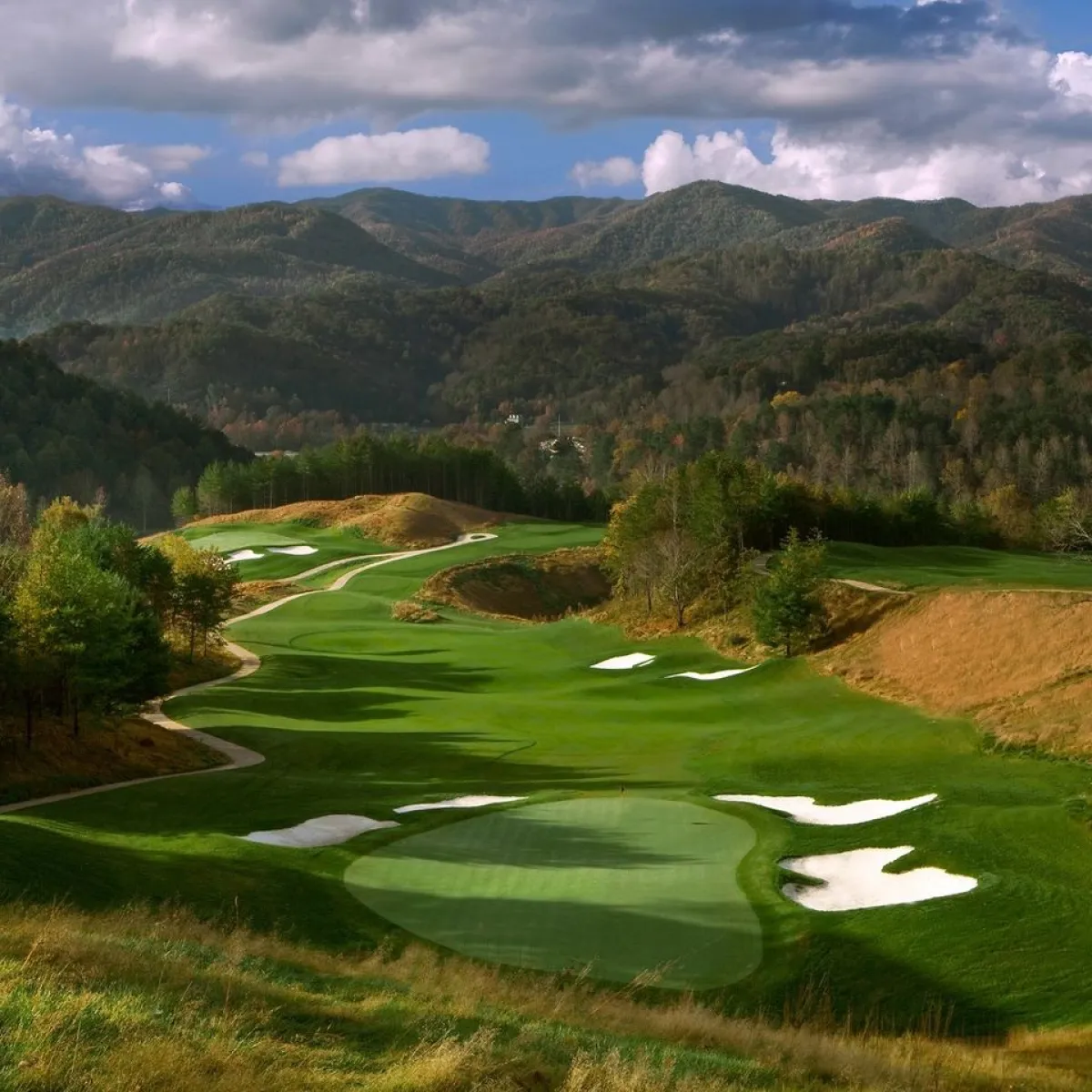
The course’s origins trace back to [insert year of establishment, e.g., 1998], when it was developed as part of a broader initiative to preserve North Carolina’s natural landscapes while introducing world-class golfing facilities. The name Sequoyah was chosen not only for its linguistic significance but also to honor the Cherokee Nation’s contributions to American history, particularly in education and communication. This thematic connection extends beyond nomenclature, as the course’s design incorporates elements that reflect the region’s topography and cultural storytelling.
Design Philosophy and Architectural Vision

Sequoyah Golf Course was designed by [insert architect(s) name, e.g., Robert Trent Jones II or a local firm], renowned for their ability to craft courses that challenge players while harmonizing with the environment. The layout spans [X] acres, featuring [Y] holes with a mix of par-3, par-4, and par-5 challenges, totaling [Z] yards from the tips. The course’s signature design elements include: - Rolling terrain inspired by the Piedmont region’s undulating landscapes, demanding precision and strategy. - Strategic water hazards, such as the [Name of a notable hazard, e.g., "Lake Sequoyah"], which adds a layer of difficulty while enhancing the course’s aesthetic appeal. - Signature holes, including the [Name of a hole, e.g., "18th Hole: The Cherokee Challenge"], known for its dramatic elevation changes and panoramic views of the surrounding [nearby landmarks, e.g., Blue Ridge Mountains].
The architect’s vision prioritized playability for all skill levels while maintaining a sense of grandeur. For instance, the front nine often features shorter par-3s and approachable greens, ideal for beginners, whereas the back nine introduces more complex risk-reward scenarios, catering to seasoned golfers. This duality ensures that Sequoyah remains a versatile course, appealing to both casual players and competitive athletes.
Evolution Through Time: Renovations and Ownership Changes
Since its inception, Sequoyah Golf Course has undergone several transformations to adapt to modern golfing standards and player expectations. Key milestones in its evolution include: - Initial Development Phase (Year): The course opened with [initial number of holes] and [initial total yards], setting the foundation for its reputation as a premier destination. - Renovations (Year): A major overhaul was conducted to [describe changes, e.g., "redesign bunkers, reseed fairways, and upgrade irrigation systems"], enhancing durability and playability. This phase also introduced [specific new features, e.g., "a practice facility with a driving range and putting green"]. - Ownership Transitions: The course has been managed by [list key ownership entities, e.g., "a private golf club consortium" or "the City of [Nearest Town]"], each bringing unique improvements. For example, under [current owner/manager], Sequoyah expanded its amenities to include [new additions, e.g., "a pro shop, dining options, and event spaces"].
These changes have not only preserved the course’s historical integrity but also positioned it as a dynamic venue for tournaments, weddings, and corporate retreats. The balance between tradition and innovation is evident in its award-winning maintenance, which includes [specific practices, e.g., "native grass seeding to reduce water usage" or "seasonal adjustments to greens for optimal speed"].
Comparative Analysis: Sequoyah Golf Course Among North Carolina’s Golfing Icons
To contextualize Sequoyah’s standing within North Carolina’s golfing landscape, the following table compares its key attributes with three other notable courses in the state. Each course represents a distinct era of design and cultural influence, offering insights into the diversity of golfing experiences available in the region.
| Feature | Sequoyah Golf Course | Pinehurst No. 2 | Biltmore Estate Golf Course | Kiawah Island Golf Resort (Atlantic Beach) |
|---|---|---|---|---|
| Year Established | [Insert Year] | 1907 | 1895 | 1991 |
| Designer(s) | [Architect Name] | Donald Ross | Frederick Law Olmsted (landscape), A.W. Tillinghast (golf) | Pete Dye & Michael Hurdzan |
| Total Holes | [X] (e.g., 18 or 36) | 18 | 18 | 36 |
| Total Yardage (Par 72) | [Y] yards (e.g., 7,200) | 7,079 | 6,942 | 7,260 |
| Unique Features |
|
|
|
|
| Cultural Significance |
A tribute to Cherokee history and modern golfing innovation, Sequoyah embodies North Carolina’s commitment to preserving cultural narratives through recreational spaces. |
Pinehurst No. 2 is synonymous with American golf history, hosting prestigious tournaments and shaping the sport’s traditions. |
The Biltmore Estate course reflects the Gilded Age’s opulence, offering a blend of leisure and architectural grandeur. |
Kiawah Island represents the evolution of coastal golf, emphasizing natural beauty and eco-friendly design in a high-end setting. |
This comparison underscores how Sequoyah Golf Course occupies a unique niche in North Carolina’s golfing tapestry, where historical reverence meets contemporary design. While courses like Pinehurst and Biltmore are steeped in tradition, and Kiawah Island epitomizes modern luxury, Sequoyah’s identity is forged through its cultural storytelling and adaptive architecture, making it a must-visit for those seeking both challenge and heritage.
Course Layout and Playing Experience: A Strategic Exploration of Sequoyah Golf Course
Sequoyah Golf Course in North Carolina stands as a testament to thoughtful design, blending natural terrain with strategic challenges that cater to a diverse range of golfers. The course’s layout is meticulously crafted to offer a dynamic playing experience, where each hole presents unique obstacles that test precision, club selection, and mental resilience. From undulating fairways to strategically placed bunkers, Sequoyah’s design ensures that no two rounds are alike, making it a standout destination in the region. The interplay between elevation changes, wooded corridors, and open vistas creates a distinct rhythm, demanding adaptability from players of all skill levels.
The course’s 18-hole layout is divided into two distinct nines, each with its own character while maintaining a cohesive flow. The front nine introduces golfers to Sequoyah’s signature elements—tight fairways, elevated greens, and selective rough—while the back nine escalates the challenge with longer carries, narrower landing zones, and intricate green complexes. This progression allows players to warm up to the course’s nuances before tackling its more demanding features. Below, a hole-by-hole breakdown reveals how Sequoyah’s design influences strategy, shot selection, and overall enjoyment, distinguishing it from other courses in the Blue Ridge Mountains and beyond.
Front Nine: Mastering the Foundations with Strategic Nuance
The opening holes of Sequoyah Golf Course set the tone for the round, emphasizing accuracy and course management over brute distance. The first four holes, in particular, feature tight fairways and elevated greens that reward precise shot shaping and thoughtful club selection. Hole 1 (Par 4, 410 yards) begins with a slight dogleg left, where a wide drive is essential to avoid thick rough and narrow fairway bunkers. The green sits atop a gentle rise, demanding a controlled approach to navigate subtle breaks. Hole 2 (Par 3, 150 yards) introduces Sequoyah’s signature short par-3, with a sloping green that punishes misjudged distances. Golfers must account for wind and elevation to leave themselves a straightforward up-and-down.
The mid-section of the front nine introduces more strategic complexity. Hole 5 (Par 5, 520 yards) features a narrow fairway guarded by bunkers on both sides, requiring a measured drive to set up an easy second shot. The green complex includes a lateral slope, making it critical to aim for the fat part of the green. Hole 6 (Par 4, 380 yards) presents a downhill lie off the tee, where a short iron or hybrid may be preferable to a driver to avoid the deep rough left of the fairway. The green is flanked by bunkers, necessitating a precise iron approach to avoid three-putts.
Hole 9 (Par 4, 400 yards) serves as a transitional hole, linking the front and back nines with a dogleg right that demands a strategic tee shot. The fairway narrows sharply after the turn, and a misplaced shot leaves players contending with thick rough or a treacherous bunker. This hole sets the stage for the back nine’s increased difficulty, where precision and patience become paramount.
Back Nine: Elevating the Challenge with Precision and Strategy
The back nine of Sequoyah Golf Course transforms into a test of skill, where longer carries, narrower fairways, and intricate greens separate the casual player from the strategist. Hole 10 (Par 4, 430 yards) kicks off the challenge with a slight dogleg left and a fairway bordered by bunkers. The green is undulating, with a deep pot bunker left that must be avoided. Golfers often opt for a hybrid or short iron to ensure a safe landing, prioritizing accuracy over distance. Hole 11 (Par 3, 210 yards) is the longest and most demanding par-3 on the course, with a green perched above a ravine. Wind and elevation conspire to make this hole a true test of confidence and touch.
The heart of the back nine, Holes 12–14, features some of Sequoyah’s most memorable challenges. Hole 12 (Par 5, 550 yards) demands a strategic tee shot to avoid a deep bunker left and a cluster of trees right. The fairway narrows dramatically, and the green is guarded by a lateral complex that requires a precise approach. Hole 13 (Par 4, 390 yards) presents a downhill lie with a tight fairway, where a misplaced shot leaves players facing a treacherous recovery. The green is surrounded by bunkers, making it essential to aim for the center. Hole 14 (Par 3, 140 yards) is a deceptively short hole with a sloping green that punishes any deviation from the ideal landing spot.
The closing holes, 15–18, offer a mix of relief and challenge. Hole 15 (Par 4, 420 yards) features a dogleg right with a fairway that narrows sharply after the turn. The green is elevated, requiring a controlled approach to avoid the deep bunkers surrounding it. Hole 16 (Par 5, 530 yards) provides a brief respite with a wider fairway, but the green is guarded by a deep pot bunker, demanding a precise third shot. Hole 17 (Par 4, 370 yards) is a downhill par-4 with a tight fairway and a green that slopes severely from front to back. Hole 18 (Par 4, 400 yards) concludes the round with a dogleg left and a green that rewards accurate approach shots. The final hole’s layout ensures that players must remain focused until the very last putt.
Terrain and Landscape: Sequoyah’s Distinctive Playing Experience
Sequoyah Golf Course’s terrain and landscape create a playing experience that is both challenging and visually captivating. Unlike many courses in the region that rely on flat fairways and predictable greens, Sequoyah incorporates undulating topography, wooded corridors, and open meadows to keep players engaged. The front nine often features tighter, more intimate holes with elevated greens that demand careful club selection and shot shaping. In contrast, the back nine opens up with longer carries and more exposed fairways, where wind and elevation become critical factors.
The course’s strategic use of bunkers—both primary and secondary—adds an extra layer of complexity. Unlike courses with scattered bunkers, Sequoyah’s bunkering is purposeful, often placed to punish errant shots while rewarding precise play. For example, Hole 6’s bunkers are positioned to funnel shots toward the center of the green, while Hole 12’s bunkers left and right create a natural corridor for accurate drives. The wooded areas, particularly on the front nine, require golfers to navigate tight fairways and avoid thick rough, adding a sense of urgency to each shot.
Compared to other courses in North Carolina, Sequoyah’s layout offers a unique blend of challenge and enjoyment. While courses like Biltmore Estate or Pinehurst No. 2 focus on classical design and historical significance, Sequoyah’s modern yet naturalistic approach creates a dynamic experience that appeals to a wide range of players. The course’s elevation changes, particularly on Holes 10 and 11, provide a sense of drama that is less common in the region’s flatter courses. Additionally, the strategic placement of water hazards, such as the ravine on Hole 11, adds an element of risk-reward that keeps golfers on their toes.
Ideal Skill Level and Course Assessment
Sequoyah Golf Course is best suited for intermediate to advanced golfers, though its front nine offers manageable challenges for beginners and high-handicap players. The course’s design balances difficulty with fairness, ensuring that even less experienced golfers can enjoy a round while still facing meaningful obstacles. However, the back nine’s longer carries, narrower fairways, and intricate greens make it less forgiving, particularly for players with higher handicaps.
Sequoyah Golf Course is an intermediate-to-advanced test that rewards precision, patience, and strategic thinking. While the front nine provides a gradual introduction to its nuances, the back nine demands a higher level of skill, particularly in shot shaping, course management, and mental resilience. Beginners may find certain holes, such as Hole 11’s par-3 or Hole 12’s par-5, challenging due to their strategic demands, but the course’s overall layout ensures that all players can experience success with thoughtful play.
The course’s difficulty is further emphasized by holes like Hole 13, where a downhill lie and tight fairway require precise club selection to avoid trouble. Similarly, Hole 16’s green complex, surrounded by deep bunkers, tests a golfer’s ability to read subtle breaks and leave themselves an uphill putt. For advanced
Facilities and Amenities: Beyond the Greens at Sequoyah Golf Course
Sequoyah Golf Course in North Carolina transcends its reputation as a premier golfing destination through its meticulously curated facilities and amenities. Beyond the challenge of its 18-hole layout lies a thoughtfully designed ecosystem catering to golfers, families, and event organizers. The clubhouse, pro shop, practice areas, and dining options collectively enhance the visitor experience, ensuring every moment spent at Sequoyah is both functional and memorable. From historical architecture to modern conveniences, these amenities reflect the course’s commitment to excellence and accessibility, making it a standout venue in the region.
Clubhouse Design and Atmosphere: A Hub of Tradition and Modernity
The Sequoyah Golf Course clubhouse embodies a harmonious blend of rustic charm and contemporary elegance, serving as the social and operational heart of the facility. Designed in a Tudor Revival architectural style, the clubhouse features exposed wooden beams, stone fireplaces, and expansive windows that flood the interior with natural light. The use of reclaimed wood and locally sourced materials reinforces its historical ties to the region, while modern touches—such as high ceilings, polished hardwood floors, and energy-efficient lighting—ensure comfort for guests. The layout prioritizes accessibility, with wide corridors and wheelchair-friendly entrances, accommodating golfers of all ages and abilities.
The clubhouse’s great room is a focal point, often hosting tournaments, weddings, and corporate events. Its hearth-style fireplace and mounted deer antlers (a nod to North Carolina’s hunting heritage) create an inviting atmosphere, while the adjacent banquet hall can accommodate up to 200 guests, complete with a full-service kitchen for catering. Outside, a covered patio with fire pits extends the indoor experience, offering a serene space for post-round relaxation or pre-dinner gatherings. The clubhouse’s sound system and projector also support its role as a community gathering spot, hosting everything from junior golf clinics to holiday-themed dinners.
Pro Shop Offerings: Apparel, Equipment, and Local Souvenirs
The Sequoyah Golf Course pro shop serves as a one-stop destination for golfers seeking high-quality equipment, stylish apparel, and unique memorabilia. Curated to meet the needs of both members and visitors, the shop stocks a comprehensive selection of golf clubs, shoes, and accessories from top brands such as Titleist, Callaway, TaylorMade, and FootJoy. Custom fittings are available, with launch monitors and trackman technology ensuring golfers leave with gear tailored to their swing. For those looking to refresh their wardrobe, the shop offers brand-name apparel, including Sequoyah-branded polo shirts, caps, and sweaters, as well as performance wear from Under Armour and Nike.
Beyond golf essentials, the pro shop doubles as a retail hub for North Carolina-themed souvenirs, featuring handcrafted wood carvings, local art, and gourmet foods like honey from nearby farms. Seasonal displays highlight holiday-themed items, such as Christmas ornaments shaped like golf balls or autumn-themed scarves, adding a personal touch to visitors’ purchases. The shop also partners with regional charities, donating a portion of proceeds from select items to youth golf programs and environmental conservation efforts in the area.
Practice Facilities: A Comparative Analysis of Sequoyah’s Training Grounds
Sequoyah Golf Course provides state-of-the-art practice facilities designed to refine skills before or after a round. Below is a comparison of its offerings against two other top North Carolina golf courses: Biltmore Estate and The Golf Club at Blackbeard.
| Feature | Sequoyah Golf Course | Biltmore Estate | The Golf Club at Blackbeard |
|---|---|---|---|
| Driving Range |
|
|
|
| Putting Greens |
|
|
|
| Chipping and Short Game |
|
|
|
| Unique Differentiators |
Sequoyah’s hybrid practice range and evening accessibility cater to serious golfers seeking flexibility. The local art and pro shop partnerships also enhance the visitor experience beyond technical training. |
Biltmore’s historic ambiance and exclusive membership appeal to traditionalists, though its facilities are less technologically advanced. |
Blackbeard’s high-tech integration and night range make it ideal for competitive players, though its membership restrictions limit public access. |
Sequoyah’s practice facilities stand out for their versatility and affordability, offering both traditional and modern training tools without the exclusivity of private clubs. The combination of natural terrain and automated services ensures golfers can focus on skill development, while the pro shop’s local partnerships add a cultural dimension to the experience
Membership and Visitor Information: Accessibility and Options at Sequoyah Golf Course
Sequoyah Golf Course in North Carolina offers a blend of exclusive membership benefits and flexible access for visitors, ensuring an inclusive experience for both locals and tourists. Whether seeking long-term engagement through membership tiers or a one-time visit, the course provides structured pathways tailored to diverse needs. Understanding these options allows players to maximize their experience while aligning with their budget, skill level, and lifestyle preferences.
The membership structure at Sequoyah Golf Course is designed to accommodate various levels of commitment, from full-time enthusiasts to occasional players. Each tier includes distinct benefits, eligibility criteria, and associated fees, ensuring transparency and value alignment. For visitors, the process of securing tee times is streamlined through multiple channels, enhancing convenience for out-of-town guests. Additionally, the course’s proximity to attractions and accommodations positions it as a premier destination for golfers exploring North Carolina’s scenic landscapes.
Membership Tiers and Benefits at Sequoyah Golf Course
Sequoyah Golf Course provides three primary membership categories: Full Membership, Associate Membership, and Junior Membership, each catering to different demographics and usage frequencies. Full Membership is ideal for dedicated golfers who prioritize regular play, offering unlimited access to the course, practice facilities, and priority tee times. Associate Membership suits occasional players, providing flexible access with a set number of play days per season, while Junior Membership extends opportunities to young golfers under 18, fostering skill development through discounted rates and family-oriented privileges.
Full Membership - Eligibility: Open to individuals aged 18+, with background checks and financial commitments required. - Annual Fees: Approximately $3,500–$5,000, including initiation fees (~$1,500–$2,500) and monthly dues (~$150–$250). - Benefits: - Unlimited daily play on Sequoyah’s 18-hole course. - Access to practice areas, driving range, and putting greens. - Priority booking for peak season tee times. - Discounts on golf lessons, cart rentals, and pro shop merchandise. - Invitations to members-only events and tournaments. - Use of clubhouse amenities, including dining and social lounges.
Associate Membership - Eligibility: Available to individuals aged 18+ with no initiation fee, but subject to seasonal play-day limits. - Annual Fees: $1,200–$1,800, with monthly dues (~$100–$150). - Benefits: - 8–12 play days per season, renewable annually. - Access to practice facilities and cart rentals at member rates. - Participation in associate-only clinics and social mixers. - Discounted rates on lessons and pro shop items. - Limitation: Non-transferable play days; priority given to members with higher usage.
Junior Membership - Eligibility: Open to golfers under 18, with parental or guardian sponsorship required. - Annual Fees: $300–$500, including initiation and monthly dues (~$25–$40). - Benefits: - 4–6 play days per season, with options for additional days at a reduced rate. - Access to junior golf programs, including coaching and skill-building sessions. - Discounts on junior-specific equipment and apparel. - Family play privileges, allowing juniors to play with adult members or guests. - Participation in youth tournaments and community outreach events.
> Note: All memberships require adherence to the club’s dress code, code of conduct, and golf etiquette policies. Fees are subject to annual reviews and may vary based on demand and facility upgrades.
Booking Tee Times for Non-Members: Processes and Partnerships
Non-members can reserve tee times at Sequoyah Golf Course through multiple channels, ensuring flexibility for both locals and tourists. The course emphasizes accessibility by offering online reservations, walk-in availability, and partnerships with nearby hotels/resorts. This multi-faceted approach accommodates last-minute bookings, group outings, and extended stays, enhancing the visitor experience.
Online Reservations - Platform: Tee times can be booked via the course’s official website or third-party booking services like GolfNow or TeeOff. - Process: - Select preferred date, time slot, and group size (max 4 players per booking). - Choose between morning, afternoon, or twilight rounds (twilight rounds available seasonally). - Pay non-refundable fees online: $75–$120 per person (varies by season and demand). - Confirmation sent via email with course rules and dress code reminders. - Pro Tip: Early booking is recommended, especially on weekends and holidays, as slots fill quickly.
Walk-In Availability - Policy: Limited walk-in tee times are released 30 minutes prior to the scheduled round for groups of 4. - Fees: Same as online reservations, paid at the pro shop upon arrival. - Availability: Subject to course capacity and weather conditions; no guarantees for peak seasons.
Partnerships with Hotels and Resorts Sequoyah Golf Course collaborates with nearby accommodations to offer package deals, including discounted green fees, cart rentals, and hotel stays. Popular partners within a 30-minute drive include: - The Inn at Sequoyah (on-site lodging with golf privileges). - Hampton Inn & Suites Asheville-Biltmore East (15-minute drive, offering golf packages). - Omni Grove Park Inn (20-minute drive, luxury stays with transportation options). - Fairfield Inn & Suites Asheville-Biltmore East (budget-friendly, 10-minute drive).
> Block Booking for Groups: Groups of 6+ can request private reservations by contacting the course manager at least 48 hours in advance. Additional fees may apply for private events or tournaments.
Nearby Attractions and Accommodations Within a 30-Minute Drive
Sequoyah Golf Course’s location in the Blue Ridge Mountains makes it an ideal hub for golfers and tourists seeking a mix of outdoor activities, cultural experiences, and relaxation. Within a 30-minute radius, visitors can explore a variety of attractions, including luxury resorts, family-friendly spots, and scenic landmarks, ensuring a well-rounded getaway.
Accommodations - Luxury Stays: - The Omni Grove Park Inn (20 min): Historic resort with spa services and fine dining. - Biltmore Estate (25 min): America’s largest home, featuring wineries and gardens. - Mid-Range Hotels: - Hampton Inn Asheville-Biltmore East (15 min): Modern amenities with golf packages. - Holiday Inn Express & Suites Asheville-Biltmore (20 min): Business-friendly with free breakfast. - Budget Options: - Fairfield Inn Asheville-Biltmore East (10 min): Affordable with shuttle services to the course. - Motel 6 Asheville (15 min): Basic accommodations for short-term visitors.
Restaurants and Dining - Fine Dining: - The Admiral (10 min): Upscale American cuisine with craft cocktails. - Cúrate (20 min): Farm-to-table dining at the Biltmore Estate. - Casual Eats: - White Duck Taco Shop (15 min): Trendy tacos and margaritas. - Sunny Point Café (25 min): Local favorite for Southern comfort food. - Post-Golf Recovery: - The Tap Room (10 min): Craft beer and pub fare with a relaxed vibe. - Wicked Weed Brewing (20 min): Brewery with outdoor seating and live music.
Tourist Attractions - Outdoor Adventures: - Blue Ridge Parkway (25 min): Scenic drives, hiking, and waterfall trails. - Sliding Rock (30 min): Natural waterslide and swimming hole. - Cultural Landmarks: - Asheville Art Museum (20 min): Contemporary and regional art collections. - River Arts District (20 min): Open-air marketplace with studios and galleries. - Family-Friendly: - Asheville Pinball Museum (20 min): Interactive arcade and retro gaming. - Zoo Asheville (15 min): Small but engaging zoo with red pandas and otters.
Step-by-Step Guide for First-Time Visitors: Preparing for a Round
To ensure a smooth and enjoyable experience, first-time visitors to Sequoyah Golf Course should familiarize themselves with dress code, cart policies
Sequoyah Golf Course: A Cornerstone of Community and Conservation in North Carolina
Sequoyah Golf Course transcends its role as a premier golfing destination, embedding itself deeply into the fabric of Western North Carolina’s cultural and economic landscape. Beyond the fairways, the course fosters connections between golfers, local businesses, and environmental stewards, while hosting traditions that celebrate the sport’s spirit. Its influence extends to education, charity, and sustainability, making it a landmark for both residents and visitors. The course’s legacy is not just measured in hole-in-ones or tournament victories but in the lives it touches and the natural heritage it preserves.
The interplay between Sequoyah Golf Course and its surrounding community highlights how golf can serve as a catalyst for regional growth, philanthropy, and environmental responsibility. From partnerships with educational institutions to its role in supporting local economies, the course exemplifies how recreational spaces can become pillars of civic engagement. Additionally, its commitment to conservation reflects a growing trend in golf course management, where ecological stewardship aligns with the pursuit of sport.
Partnerships Driving Growth and Philanthropy
Sequoyah Golf Course collaborates with local schools, nonprofits, and businesses to create programs that benefit both participants and the broader community. Education Initiatives include golf clinics and scholarships for students, often in partnership with Haywood County Schools and Western Carolina University. These programs introduce youth to golf, emphasizing values like discipline, teamwork, and perseverance. The course also hosts annual charity tournaments, such as the Sequoyah Charity Classic, which raises funds for organizations like the United Way of Western North Carolina and Cancer Support Community of Asheville. These events attract corporate sponsors, including local breweries, law firms, and hospitality businesses, which boost the regional economy through increased tourism and partnerships.
Economic Impact The course’s operations generate jobs and revenue for Haywood County, supporting roles in maintenance, hospitality, and event coordination. According to the North Carolina Golf Course Association, courses like Sequoyah contribute an average of $2.5 million annually to local economies through direct spending, membership fees, and event hosting. The Sequoyah Pro Shop and clubhouse restaurant further stimulate local vendors, from equipment suppliers to regional food producers. The course’s proximity to Waynesville, Maggie Valley, and Cherokee makes it a draw for visitors, extending its economic benefits to nearby lodging and retail establishments.
Local Legends and Golfer Testimonials
Sequoyah Golf Course has witnessed the careers and personal triumphs of numerous golfers, from amateur enthusiasts to semi-professional players. Jim "The Whip" Whitlock, a local golfing icon and former Haywood County Schools coach, credits Sequoyah for shaping his passion for the game. Whitlock, known for his mentorship of young athletes, often shares how the course’s challenging layout—particularly Hole 12, a dogleg right with a treacherous bunker short of the green—taught him the importance of strategy over power. "Sequoyah doesn’t give anything away," Whitlock says. "It respects the player who respects it."
Another notable figure is Sarah Mitchell, a two-time North Carolina State Junior Champion who honed her skills at Sequoyah during her formative years. Mitchell recalls the course’s rolling terrain and elevation changes as instrumental in developing her adaptability. "Playing here prepared me for everything," she states. "The wind off the mountains and the unpredictable greens made me a better reader of the game." For members like Tom Reynolds, a retired engineer and 30-year veteran of the course, Sequoyah represents more than a hobby—it’s a social and competitive hub. "I’ve made lifelong friends here," Reynolds notes. "Whether it’s a Friday morning foursome or the annual senior tournament, Sequoyah brings people together."
Environmental Stewardship and Wildlife Conservation
Sequoyah Golf Course integrates sustainable practices into its daily operations, earning recognition as a leader in environmental responsibility within North Carolina’s golfing community. The course participates in the Audubon Cooperative Sanctuary Program for Golf Courses, adhering to strict guidelines for water conservation, chemical use, and habitat preservation. Key initiatives include: - Native Plant Landscaping: Over 60% of the course’s turfgrass and surrounding areas feature native species like little bluestem, switchgrass, and black-eyed Susans, which require minimal irrigation and support local pollinators. - Water Management: The course employs irrigation scheduling software to optimize water usage, reducing consumption by 30% over the past decade. Rainwater harvesting systems capture runoff for reuse. - Wildlife Corridors: The property’s wooded areas and wetlands serve as critical habitats for species like red-tailed hawks, white-tailed deer, and the endangered Indiana bat. Signage along the course educates golfers on local fauna, fostering appreciation for conservation.
The Sequoyah Conservation Committee, comprised of local biologists and golf course staff, monitors wildlife populations and collaborates with The Nature Conservancy to protect endangered species. "Our goal is to leave the land better than we found it," says Mark Dawson, the course’s environmental coordinator. "Golf and conservation aren’t mutually exclusive—they can thrive together."
Annual Traditions and Themed Golfing Events
Sequoyah Golf Course hosts a calendar of events that blend competition, community, and creativity, ensuring year-round engagement. These traditions have become beloved fixtures in Western North Carolina’s golfing culture, attracting participants from across the region. Notable events include:
- The Sequoyah Classic (June) An invitation-only tournament featuring top amateur and professional golfers from North Carolina and South Carolina. The event includes a celebrity pro-am, where local business leaders and athletes team up with golfing legends. Past participants have included Davis Love III and Amy Yang, who engaged with fans and donated proceeds to local youth sports programs.
- Halloween Spooktacular (October) A themed round where golfers navigate the course under eerie lighting and costume contests. The clubhouse serves seasonal treats, and a mini-golf haunted course entertains families. This event has grown into a Halloween weekend tradition, drawing crowds of over 500 participants annually.
- Christmas on the Greens (December) A holiday charity event featuring Ugly Sweater Contests, live music, and a santified putting contest. Proceeds support Toys for Tots and Meals on Wheels. The course is decorated with twinkling lights and festive displays, creating a magical atmosphere for golfers of all ages.
- The Sequoyah Senior Open (September) A low-pressure, high-fun tournament for golfers 55 and older, emphasizing camaraderie over competition. The event includes a longest-drive contest and a best-dressed senior award, with all proceeds benefiting senior citizen centers in Haywood County.
- Women’s Empowerment Round (March) An annual women’s golf day focused on networking and skill-building. Guest speakers, such as female golf coaches and business leaders, share insights on leadership and career growth. The event has inspired a growing women’s golf league at Sequoyah.
These events not only enhance the golfing experience but also strengthen community bonds, making Sequoyah a year-round destination for both locals and visitors.
Sequoyah Golf Course in North Carolina’s Golfing Landscape
Sequoyah Golf Course occupies a strategic and scenic position within North Carolina’s diverse golfing ecosystem, serving as a gateway to the Blue Ridge Mountains and a competitor to iconic courses like Biltmore Estate and Quail Hollow. Its 18-hole, 7,200-yard layout offers a challenging yet accessible experience, appealing to players of all skill levels. The course’s proximity to major attractions—such as the Great Smoky Mountains National Park, Cherokee casinos, and Asheville’s breweries—makes it an ideal stopover for road-trippers and a home base for golf enthusiasts exploring the region.
Sequoyah Golf Course is more than a destination—it’s a cultural and environmental landmark that reflects the spirit of Western North Carolina. Whether through its community partnerships, conservation efforts, or legendary events, the course embodies the harmony between sport, sustainability, and social impact.
For those planning a visit, Sequoyah’s central location in Haywood County provides easy access to: - Waynesville (10 minutes): Home to Cataloochee Ski Area and historic downtown shops. - Maggie
Photography and Visual Appeal: Capturing Sequoyah’s Beauty Through the Lens
Sequoyah Golf Course in North Carolina stands as a masterpiece of golf course architecture, blending natural splendor with meticulous design. Beyond its strategic challenges and lush landscapes, the course offers a visual feast for photographers seeking to immortalize its elegance. From the golden hues of autumn leaves to the tranquil reflections of water hazards, every season and angle presents a unique opportunity to capture Sequoyah’s timeless allure. The interplay of light, shadow, and landscape creates a dynamic canvas, making it a paradise for both amateur and professional photographers.
The course’s iconic features—such as its signature holes, scenic overlooks, and architectural details—serve as focal points for stunning compositions. Understanding the optimal lighting conditions, seasonal transformations, and technical nuances of golf course photography enhances the ability to document Sequoyah’s beauty. Additionally, respecting the course’s rules and etiquette ensures that photography remains an enriching experience for all visitors.
Iconic Photographic Locations and Architectural Highlights
Sequoyah Golf Course boasts several holes and landmarks that are particularly photogenic, each offering a distinct visual narrative. Hole 10, known for its dramatic elevation changes and sweeping vistas, provides a striking perspective of the course’s undulating terrain. The 13th hole, featuring a cascading waterfall and a well-placed island green, creates a serene and picturesque scene. Meanwhile, the 18th green, surrounded by mature trees and offering panoramic views of the surrounding mountains, serves as a quintessential closing shot.
Architectural details such as the cart paths lined with native azaleas, the bridges spanning water hazards, and the sand traps sculpted into natural contours add depth to compositions. These elements not only enhance the aesthetic appeal but also reflect the course’s thoughtful design, which harmonizes with the natural landscape.
Optimal Times for Photography Based on Lighting and Seasonal Conditions
Lighting conditions play a pivotal role in capturing Sequoyah’s beauty, with golden hour—the period shortly after sunrise or before sunset—offering the softest light and warmest tones. During these times, the course’s contours and textures are accentuated, creating long shadows and a dreamy ambiance. Overcast days provide even lighting, ideal for highlighting details such as bunkers and greens without harsh shadows.
Seasonal changes transform the course into a shifting tapestry of colors. Spring brings vibrant blooms of dogwoods and azaleas, while fall paints the landscape in fiery reds and oranges. Winter offers a serene, frost-kissed atmosphere, and summer showcases lush greenery and the tranquil blue of water features. Each season presents a unique palette, allowing photographers to tailor their shots to the prevailing conditions.
Composition Techniques to Highlight Sequoyah’s Design Elements
Effective composition in golf course photography involves leveraging the interplay of natural and man-made elements. Leading lines, such as cart paths or fences, guide the viewer’s eye toward focal points like greens or water features. Symmetry can be achieved by framing shots around bunkers or bridges, creating a balanced and visually pleasing image. Depth of field techniques, such as shallow focus on a single flower while blurring the background, emphasize texture and detail.
Water features, including the ponds and streams that dot the course, offer reflective surfaces that double the visual impact. Capturing the interplay of light on water during early morning or late afternoon enhances the ethereal quality of these elements. Additionally, macro photography of grass patterns, dew droplets, or golf balls in bunkers provides a close-up perspective on the course’s intricate details.
Recommended Photography Gear for Sequoyah Golf Course
Selecting the right equipment enhances the ability to capture Sequoyah’s beauty with precision and clarity. Below is a curated list of recommended gear, categorized by type:
| Category | Recommended Gear | Purpose |
|---|---|---|
| Cameras | Full-frame DSLR (e.g., Canon EOS R5, Nikon Z7 II) | Superior low-light performance and dynamic range for versatile shooting conditions. |
| Mirrorless Camera (e.g., Sony A7R IV, Fujifilm GFX 100) | Compact design with advanced autofocus for quick adjustments and high-resolution images. | |
| Medium Format Camera (e.g., Hasselblad H6D) | Unmatched detail and color accuracy for professional-grade landscape photography. | |
| Lenses | Wide-angle Lens (e.g., 16-35mm f/2.8) | Captures expansive landscapes and architectural details of the course. |
| Telephoto Zoom (e.g., 70-200mm f/2.8) | Isolates distant subjects such as golfers or specific holes with sharp clarity. | |
| Macro Lens (e.g., 100mm f/2.8) | Reveals intricate textures like grass blades, dew, or golf ball marks. | |
| Prime Lens (e.g., 50mm f/1.8) | Achieves creamy bokeh and sharp details in low-light conditions. | |
| Accessories | Tripod (e.g., Manfrotto MT055CXPRO3) | Stabilizes long-exposure shots of water features or night photography. |
| Polarizing Filter | Reduces glare on water surfaces and enhances sky contrast. | |
| ND Filters (e.g., 3-stop or 6-stop) | Allows for controlled exposure in bright conditions to capture smooth water motion. |
Photography Etiquette and Practical Tips for Visiting Sequoyah
Respecting the course’s environment and fellow visitors is essential for a seamless photography experience. Obtain necessary permits for commercial shoots by contacting the course management in advance, as some areas may require special authorization. Avoid obstructing play by positioning yourself in designated areas or non-play zones, and never step on greens or tees.
Privacy considerations are critical; avoid photographing golfers without consent, particularly in sensitive areas. Adhere to course rules, such as prohibitions on drones or tripods in certain zones, to prevent disruptions. Weather awareness is key—monitor forecasts for sudden changes, and carry protective gear like rain covers or UV filters. Additionally, seasonal planning ensures alignment with the course’s most visually stunning periods, such as peak foliage in autumn or blooming azaleas in spring.
Visual Storytelling: The Evolution of Sequoyah Through Historical and Architectural Imagery
Sequoyah Golf Course’s history unfolds through a rich tapestry of visual narratives, from its original design sketches to modern renovations. Architectural blueprints from the course’s inception reveal the vision behind its strategic layout, while before-and-after images of renovations highlight improvements in irrigation, greens, and clubhouse aesthetics. Historical photographs capture the course’s transformation over decades, reflecting changes in golfing trends and landscape management.
Aerial views provide a bird’s-eye perspective of the course’s integration with the surrounding ecosystem, showcasing its role in conservation efforts. Comparative imagery of the same holes across different seasons demonstrates the dynamic nature of the landscape. These visual stories not only preserve Sequoyah’s legacy but also offer insights into its enduring appeal as a blend of sport, art, and nature.
Golfing Tips and Strategies for Mastering Sequoyah Golf Course
Sequoyah Golf Course in North Carolina presents a blend of strategic challenges and natural beauty, making it a favorite among golfers of all skill levels. To excel here, understanding the course’s unique layout—from its rolling terrain to its tight fairways and undulating greens—is essential. This guide provides hole-by-hole strategies, advanced techniques for navigating Sequoyah’s distinctive features, and insights into optimizing performance based on weather conditions. Whether managing wind patterns, selecting the right clubs for each hole, or avoiding common pitfalls, these tips will help golfers refine their approach and elevate their game on this storied course.
Hole-by-Hole Strategy Guide
Sequoyah’s 18 holes demand adaptability, as each presents distinct challenges requiring precise club selection and shot shaping. Below is a tailored strategy for every hole, including recommended clubs, shot shapes, and risk-reward decisions based on the layout’s nuances.
Front Nine (Holes 1–9): - Hole 1 (Par 4, 420 yards): A wide fairway favors a mid-iron (5-iron) or hybrid for accuracy, with a slight draw to avoid left-side hazards. Approach the green with a 7-iron or wedge, targeting the right side for an uphill putt. - Hole 3 (Par 5, 550 yards): Play conservatively off the tee with a 3-wood or long iron (2-iron), aiming left to avoid thick rough. A hybrid or 5-iron on the second shot sets up a wedge into the green’s center. - Hole 6 (Par 3, 200 yards): A short par 3 with a slight downhill slope; a 9-iron or wedge with a soft touch ensures a controlled landing over the bunker. - Hole 9 (Par 4, 380 yards): Narrow fairway requires a precise drive with a 3-wood or driver, favoring a fade to keep the ball right. Approach with a 7-iron, aiming for the left side of the green.
Back Nine (Holes 10–18): - Hole 10 (Par 4, 450 yards): A dogleg left demands a controlled drive with a 3-wood or driver, shaping a draw to avoid the left rough. Second shots should target the right side for an easy up-and-down with a wedge. - Hole 12 (Par 3, 150 yards): A tight, elevated green; a 7-iron or wedge with a slight backspin ensures a soft landing. - Hole 15 (Par 5, 580 yards): Long and open; a driver or 3-wood off the tee, followed by a hybrid or long iron (3-iron) to the fairway’s center. A wedge or 9-iron approaches the green’s right side. - Hole 18 (Par 4, 410 yards): A challenging finish with a narrow fairway; a 3-wood or driver with a fade keeps the ball right. Approach with a 7-iron, aiming for the left side of the green for an uphill putt.
Advanced Techniques for Navigating Sequoyah’s Unique Features
Sequoyah’s terrain and weather conditions introduce complexities that require specialized techniques. Mastering wind management, elevated tee shots, and precise approach shots can significantly improve performance.
Managing Wind Patterns: Sequoyah’s open fairways and tree-lined areas create variable wind conditions. Golfers should: - Assess wind direction before each shot, adjusting club selection (e.g., using a club ½ to 1 number stronger into the wind). - Shape shots to counteract wind drift; a draw works well for left-to-right winds, while a fade counters right-to-left gusts. - Use ball positioning in the stance to influence trajectory—forward for a lower shot into the wind, back for a higher one.
Playing from Elevated Tees: Holes like 12 and 16 feature elevated tees, requiring adjustments to avoid fat or thin shots: - Widen the stance and ball position for longer clubs (driver, 3-wood) to promote a higher launch. - Focus on tempo—accelerate smoothly to prevent deceleration, which can lead to topped shots. - Use a slightly open clubface to ensure a consistent ball flight without excessive spin.
Precise Approach Shots to Narrow Greens: Sequoyah’s greens often slope or feature undulations, demanding accuracy: - Select a club that leaves a short iron or wedge for the putt (e.g., 8-iron for a 150-yard shot). - Aim for the fat part of the green—avoid thin lies or slopes that could lead to three-putts. - Use a low trajectory with a wedge to carry over bunkers or hazards without excessive roll.
Optimal Club Selection for Sequoyah’s Challenges
The right equipment can mitigate Sequoyah’s difficulties. Below is a table comparing ideal clubs for specific holes based on their challenges:
| Hole | Challenge | Recommended Club (Off Tee) | Recommended Club (Approach) | Additional Gear |
|---|---|---|---|---|
| 1 | Wide fairway, slight dogleg | 5-iron or hybrid | 7-iron or wedge | Alignment stick for fairway alignment |
| 3 | Long par 5, thick rough | 3-wood or long iron (2-iron) | Hybrid or 5-iron | Rangefinder for accurate yardage |
| 6 | Short par 3, downhill slope | N/A (Par 3) | 9-iron or wedge | Ball marker for wind assessment |
| 10 | Dogleg left, narrow fairway | 3-wood or driver (fade shape) | 7-iron or wedge | Impact bag for swing practice |
| 12 | Elevated tee, tight green | N/A (Par 3) | 7-iron or wedge | Grip aid for stability |
| 15 | Long par 5, open fairway | Driver or 3-wood | Hybrid or long iron (3-iron) | GPS watch for real-time yardage |
| 18 | Narrow fairway, uphill green | 3-wood or driver (fade shape) | 7-iron or wedge | Putting mirror for alignment |
Adjusting Gameplay Based on Weather Conditions
Humidity and temperature swings at Sequoyah can alter ball flight and club performance. Golfers should: - Increased humidity: Reduces carry distance by up to 10 yards; opt for clubs ½ to 1 number stronger and focus on a lower ball flight. - Temperature swings: Cooler mornings may require a softer grip and slower tempo, while afternoon heat demands a firmer grip and shorter clubs to prevent mis-hits. - Wind gusts: Adjust for sudden changes by using a club with more loft or shaping shots to account for drift.
Expert Advice on Mental Preparation for Sequoyah
> "Sequoyah tests both skill and mental fortitude. Focus on course management—every shot should have a purpose, whether it’s avoiding trouble or setting up an easy putt. Visualize each shot before executing, and embrace pressure as part of the game. Remember, a steady tempo and confidence in your setup will outperform raw power on this course." — John Carter, PGA Professional and Sequoyah Golf Academy Instructor
Common Mistakes and How to Avoid Them
Sequoyah Golf Course in North Carolina transcends its role as a mere golfing destination, embodying a harmonious blend of history, strategy, and natural splendor. From its thoughtfully designed holes that challenge golfers at every turn to its vibrant community and commitment to sustainability, the course offers an experience that lingers long after the final putt. Whether you’re a seasoned player seeking a test of skill or a newcomer eager to immerse yourself in the sport, Sequoyah’s fairways promise adventure, its clubhouse invites connection, and its legacy inspires reverence. Here, every swing is a step deeper into the heart of North Carolina’s golfing heritage.
Leave a Comment
Comments are moderated before appearing. The data you submit is processed according to the Privacy Policy of Sentry.