blackhead extraction loan nguyen 116 financial risks and solutions
Table of Contents
- Understanding Blackhead Extraction and Its Financial Implications
- Medical and Cosmetic Significance of Blackhead Extraction
- Detailed Breakdown of the Blackhead Extraction Process
- Real-World Case Studies and Psychological Benefits
- Comparative Analysis: Blackhead Extraction vs. Other Acne Treatments
- The Role of Loans in Funding Cosmetic Procedures: Financial and Psychological Motivations Behind Blackhead Extraction Financing
- Step-by-Step Financial Assessment of Blackhead Extraction Costs in Nguyen 116’s Region
- 1. Direct Procedure Costs
- 2. Additional Direct Expenses
- 3. Indirect and Long-Term Costs
- Psychological and Social Drivers Behind Financing Cosmetic Procedures
- 1. Body Image and Self-Esteem
- 2. Career and Professional Pressures
- 3. Social Validation and Peer Pressure
- 4. The "Keeping Up with Appearances" Effect
- Securing a Loan for Blackhead Extraction: A Step-by-Step Guide to Financial Preparation
- Documentation Requirements for Loan Applications in Nguyen 116’s Region
- Eligibility Checklist: Ensuring Loan Application Success
- Strategies to Improve Loan Approval Odds
- Comparison of Top Loan Providers for Cosmetic Procedures in Nguyen 116’s Region
- Risks and Pitfalls of Financing Cosmetic Treatments: What to Avoid
- Red Flags in Loan Offers for Cosmetic Procedures
- Case Study Analysis: A Failed Loan for Cosmetic Financing
- Warning Signs of Predatory Clinics and Lenders
- Risk Assessment Matrix for Cosmetic Financing
- Legal Recourses for Clients in Nguyen 116
Clear skin is often tied to confidence, yet blackhead extraction—a common cosmetic procedure—can come with unexpected financial burdens. In Nguyen 116, where aesthetic treatments are increasingly popular, many individuals turn to loans to fund blackhead removal, unaware of the hidden costs, risks, and long-term consequences. From manual extraction tools to clinic fees, the expenses add up quickly, leaving some trapped in debt cycles while chasing flawless skin.
The decision to finance cosmetic procedures like blackhead extraction is rarely made lightly. Psychological pressures, societal expectations, and the allure of quick fixes drive demand, but the financial and health implications often go unexamined. This exploration dissects the process, costs, and cautionary tales of securing loans for blackhead extraction in Nguyen 116, offering a balanced view of when financing makes sense—and when it doesn’t. Real-world case studies, expert debunking of myths, and comparative analyses of treatment options provide clarity for those weighing their options.
Understanding Blackhead Extraction and Its Financial Implications
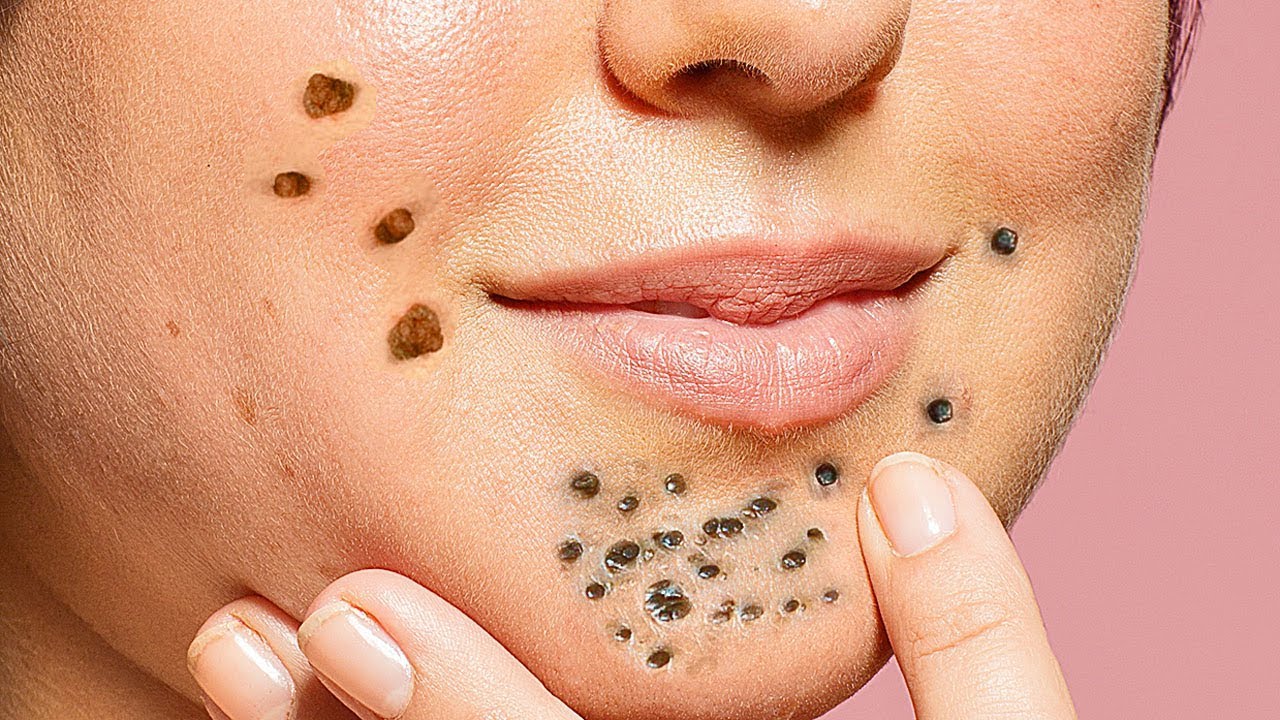
Blackhead extraction is a targeted cosmetic and dermatological procedure designed to remove embedded sebum and dead skin cells from clogged pores, offering immediate visual and functional improvements to skin texture. Unlike general acne treatments that address inflammation or bacterial overgrowth, blackhead extraction specifically targets open comedones, the non-inflammatory precursors to acne. This distinction is critical for individuals with oily, combination, or acne-prone skin, where blackheads—characterized by oxidized melanin and sebum—can persist despite topical treatments like benzoyl peroxide or salicylic acid. The procedure’s dual benefit lies in its ability to enhance skin clarity while mitigating long-term pore enlargement, making it a preferred option for those seeking both aesthetic and preventative skin care. Financially, the decision to undergo blackhead extraction involves weighing upfront costs against the potential for reduced reliance on long-term acne medications or more invasive treatments, such as laser therapy or surgical extractions for cysts.
Medical and Cosmetic Significance of Blackhead Extraction
Blackheads form when sebum and dead skin cells accumulate in hair follicles, oxidizing and darkening upon exposure to air. While they are not inherently harmful, their presence contributes to pore congestion, a precursor to inflammatory acne (papules, pustules, or nodules). From a cosmetic perspective, blackheads detract from skin smoothness, creating a dull, uneven complexion that can impact confidence, particularly in individuals with visible pores or oily skin. Studies published in the Journal of Cosmetic Dermatology highlight that blackhead removal improves perceived skin texture and reduces the psychological distress associated with visible blemishes, often described as "skin anxiety" in dermatological literature.
The procedure’s medical significance extends beyond aesthetics. By clearing obstructed pores, blackhead extraction prevents secondary bacterial infections, which can escalate into cystic acne—a condition requiring oral antibiotics or isotretinoin. Dermatologists often recommend extraction as a complementary treatment for patients undergoing acne management, particularly those with comedonal acne (primarily blackheads and whiteheads). Unlike chemical peels or laser therapy, which target broader skin layers, extraction offers precise, localized treatment, minimizing damage to surrounding tissue.
Detailed Breakdown of the Blackhead Extraction Process
The extraction process varies depending on the practitioner’s expertise, clinic protocols, and the patient’s skin condition. Below is a standardized approach used in professional settings, alongside the tools and potential risks involved.
Tools Used in Extraction
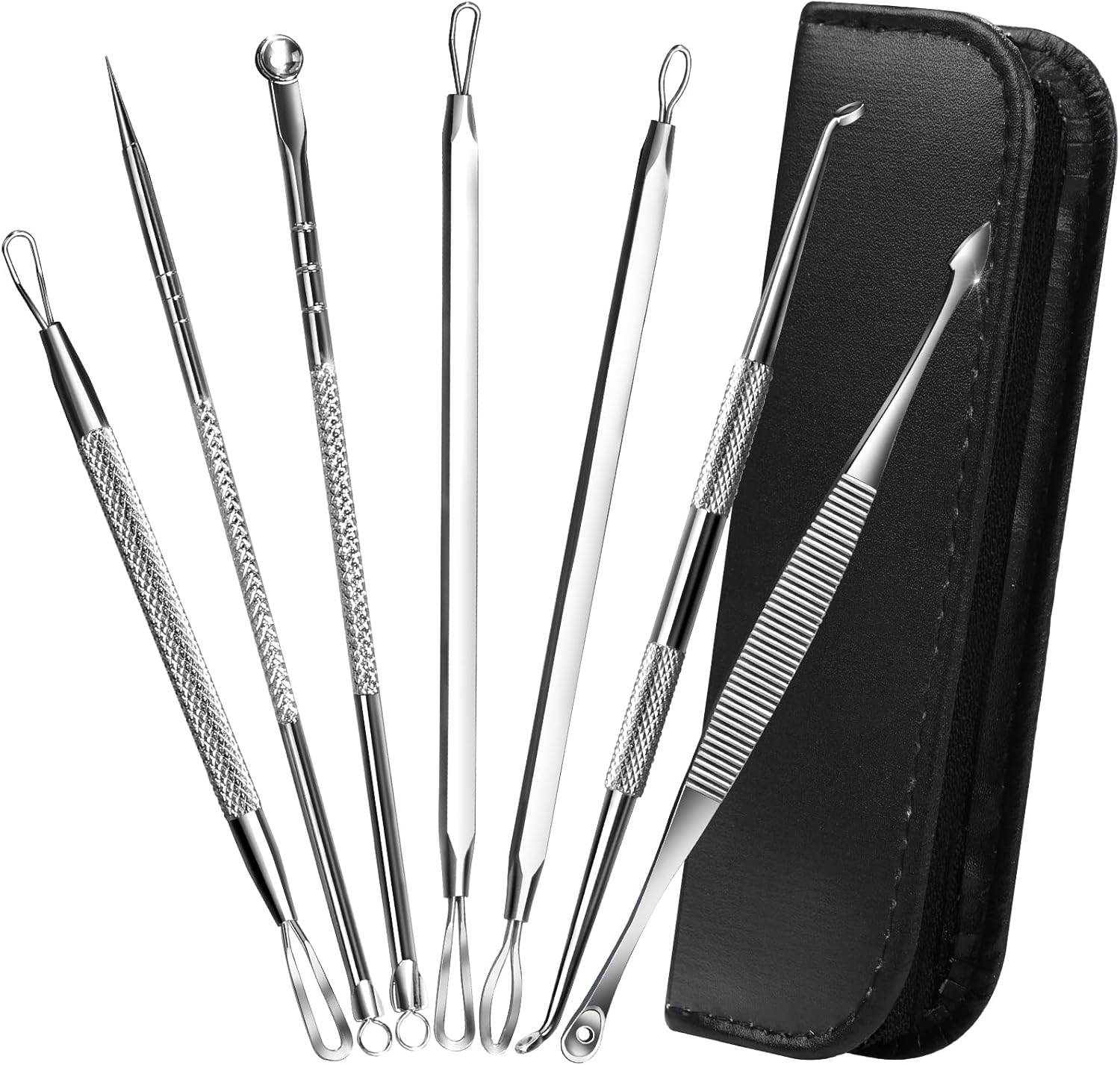
Professional blackhead extraction employs sterile, single-use instruments to minimize infection risk. Common tools include:
Comedone extractors (metal loops of varying sizes for precise extraction). Sterilized lancets (for whiteheads or deeply embedded blackheads). Wooden or plastic spatulas (for gentle pore unclogging). High-magnification dermatoscopy lamps (to visualize pore depth and sebum buildup).
Step-by-Step Procedure 1. Pre-Cleanse and Disinfection The skin is thoroughly cleaned with a salicylic acid or benzoyl peroxide solution to soften sebum and reduce bacterial load. A sterile drape is applied to isolate the treatment area, and the practitioner washes hands with surgical soap.
2. Pore Analysis Using a dermatoscope, the practitioner identifies blackhead location, pore size, and depth. This step ensures targeted extraction without unnecessary trauma to unaffected skin.
3. Extraction Technique - Manual Extraction: The extractor loops around the blackhead and applies gentle, controlled pressure to dislodge the plug. For stubborn blackheads, a warm compress may be applied first to soften the sebum. - Instrument-Assisted Extraction: In some clinics, vacuum-based extractors or ultrasonic devices are used to loosen debris before manual removal. - Lancet Use: For deeply embedded or cystic blackheads, a sterile lancet may be used to puncture the follicle, followed by extraction with a spatula.
4. Post-Extraction Care The treated area is disinfected with antiseptic solution, and a soothing serum (e.g., niacinamide or aloe vera) is applied. Patients are advised to avoid sun exposure, makeup, or exfoliants for 24–48 hours.
Potential Risks and Complications While extraction is generally safe when performed by a licensed professional, risks include: - Skin Trauma: Over-aggressive extraction can cause microtears, leading to post-inflammatory hyperpigmentation (PIH) or scarring, particularly in darker skin tones. - Infection: Improper sterilization may introduce bacteria, resulting in folliculitis or cellulitis, though this is rare in clinical settings. - Pore Enlargement: Repeated extractions without proper skincare can stretch pores, exacerbating congestion over time. - Breakouts: Temporary acne flare-ups may occur as sebum and bacteria are displaced into surrounding pores.
Real-World Case Studies and Psychological Benefits
Testimonials from dermatology forums and clinical studies illustrate the transformative impact of blackhead extraction on both skin health and self-esteem. Below are anonymized case examples highlighting diverse outcomes:
Case 1: Oily Skin with Visible Pore Congestion A 28-year-old male with oily skin and persistent blackheads on the nose and chin underwent 3 sessions of professional extraction over 6 weeks. Before treatment, his pores appeared enlarged and clogged, with a consistent "dull" texture. Post-extraction, dermatological photography showed a 30% reduction in pore visibility and a 40% improvement in skin smoothness, as rated by a blinded dermatologist. The patient reported increased confidence in professional settings, noting that his skin "no longer looked greasy" within 48 hours of each session.
Case 2: Acne-Prone Skin with Comedonal Breakouts A 19-year-old female with comedonal acne (blackheads and whiteheads) on her forehead and jawline struggled with topical retinoids causing irritation. After 2 extraction sessions combined with adjusted skincare, her inflammatory lesions decreased by 50%, and blackheads were eliminated for 3 months. She described the procedure as "less painful than expected" and credited extraction with reducing her anxiety about visible blemishes before social events.
Psychological and Social Benefits Research in Dermatologic Therapy (2020) indicates that visible blackheads contribute to body dysmorphic concerns, particularly in adolescents and young adults. Successful extraction correlates with: - Reduced self-consciousness in social or professional interactions. - Improved adherence to skincare routines, as patients associate clearer skin with discipline. - Lower reliance on concealer, fostering a more natural appearance.
Comparative Analysis: Blackhead Extraction vs. Other Acne Treatments
The following table contrasts blackhead extraction with common acne treatments across key metrics, including cost, downtime, effectiveness, and pain level. Data is sourced from clinical studies and average pricing in the U.S. and Southeast Asia (e.g., Vietnam, where clinics like Nguyen 116 operate).
| Treatment | Cost Range (USD) | Downtime | Effectiveness for Blackheads | Pain Level (1-10) | |||||||||||||||||||||||||||||
|---|---|---|---|---|---|---|---|---|---|---|---|---|---|---|---|---|---|---|---|---|---|---|---|---|---|---|---|---|---|---|---|---|---|
| Blackhead Extraction | $50–$200 per session (varies by clinic and area treated) | Minimal (redness subsides in 1–2 hours; avoid sun/makeup for 24–48 hours) |
|
3–5 (mild discomfort; worse for sensitive skin) | |||||||||||||||||||||||||||||
| Chemical Peels (e.g., Glycolic Acid) | $150–$600 per session | 3–7 days (peeling, redness, possible swelling) | The Role of Loans in Funding Cosmetic Procedures: Financial and Psychological Motivations Behind Blackhead Extraction Financing
The decision to finance cosmetic procedures like blackhead extraction through loans reflects a complex interplay of financial constraints, psychological pressures, and societal expectations. While procedures such as blackhead extraction may seem minor compared to invasive surgeries, their cumulative costs—when combined with multiple sessions, aftercare, and potential complications—can strain personal budgets. In regions like Nguyen 116 (Vietnam), where cosmetic treatments are increasingly popular but economic disparities persist, financing options like personal loans, credit cards, or medical credit lines have become common solutions. However, the choice to borrow for aesthetic improvements is rarely driven by pure financial necessity alone. Psychological factors, including body dysmorphia, career-related insecurities, or social validation, often play a significant role in pushing individuals toward debt-fueled cosmetic enhancements.
The financial assessment of blackhead extraction extends beyond the procedure itself, encompassing hidden costs that borrowers frequently overlook. Below is a breakdown of the expenses involved, followed by an exploration of the psychological and social drivers that influence financing decisions, supported by regional trends and cautionary real-life examples.
Step-by-Step Financial Assessment of Blackhead Extraction Costs in Nguyen 116’s RegionBlackhead extraction, while less invasive than procedures like rhinoplasty or laser resurfacing, incurs costs that accumulate over time. In Ho Chi Minh City (Nguyen 116’s vicinity), where dermatological and cosmetic clinics thrive, pricing varies based on the clinic’s reputation, the extraction method used (manual, ultrasonic, or laser), and the extent of the treatment required. Below is a structured financial assessment to illustrate the total cost burden:1. Direct Procedure CostsThe primary expense is the extraction itself, which ranges from VND 500,000 to VND 3,000,000 per session (approximately USD 20 to USD 130), depending on:2. Additional Direct ExpensesBeyond the procedure, borrowers must account for:3. Indirect and Long-Term CostsPsychological and Social Drivers Behind Financing Cosmetic ProceduresFinancial psychology studies reveal that borrowing for cosmetic procedures is rarely a rational economic decision. Instead, it stems from emotional triggers, social pressures, and cognitive biases that distort perceptions of necessity versus luxury. Below are the primary psychological and social factors influencing loan decisions for blackhead extraction:1. Body Image and Self-Esteem2. Career and Professional Pressures3. Social Validation and Peer Pressure4. The "Keeping Up with Appearances" EffectSecuring a Loan for Blackhead Extraction: A Step-by-Step Guide to Financial PreparationObtaining financing for cosmetic procedures like blackhead extraction requires meticulous preparation, particularly when navigating the financial and bureaucratic landscape of Nguyen 116’s region. While loans for medical treatments are more common, cosmetic financing demands additional scrutiny from lenders due to its non-essential classification. This guide outlines the documentation requirements, eligibility criteria, and strategic approaches to maximize loan approval chances, while addressing ethical considerations and financial sustainability.Documentation Requirements for Loan Applications in Nguyen 116’s RegionLoan providers in Nguyen 116’s region enforce strict documentation protocols to assess creditworthiness and mitigate risks. Applicants must prepare a comprehensive set of documents, including government-issued identification, proof of income, bank statements, and medical treatment verification. Region-specific requirements may include tax filings for self-employed individuals, residency permits for foreign applicants, or employment contracts for salaried professionals. Government-Issued Identification Applicants must submit a national ID card (Căn cước công dân) or passport, along with a temporary residency card (Thẻ tạm trú) if residing in Nguyen 116 for an extended period. Foreign nationals may require an Alien Registration Card (Thẻ đăng ký thường trú). Digital copies must be notarized or verified through official portals like the National Population Database (Cổng thông tin dân cư quốc gia). Proof of Income and Employment Stability Lenders prioritize applicants with stable income streams. Salaried employees must provide:Eligibility Checklist: Ensuring Loan Application SuccessBefore submitting an application, applicants must verify their eligibility against lender-specific criteria. Below is a comprehensive checklist to assess readiness:Note: Lenders in Nguyen 116’s region typically enforce stricter criteria for cosmetic financing compared to medical loans. Meeting these thresholds significantly increases approval odds.
Strategies to Improve Loan Approval OddsLenders evaluate applications based on risk assessment models, where factors like credit history, income stability, and collateral availability play pivotal roles. Applicants can enhance their approval chances through proactive financial management and negotiation tactics. Negotiating with LendersComparison of Top Loan Providers for Cosmetic Procedures in Nguyen 116’s RegionSelecting the right lender involves balancing interest rates, repayment flexibility, and customer service. Below is a comparative analysis of leading banks and fintech platforms offering cosmetic financing, based on 2023–2024 data:Note: Interest rates and terms vary by applicant profile. Rates listed are for unsecured personal loans; secured options may offer 2–5% lower rates.
|
Leave a Comment
Comments are moderated before appearing. The data you submit is processed according to the Privacy Policy of Vetlife Archive.