Tuckaway Tavern Raymond New Hampshire a Local Treasure Unveiled
Table of Contents
- Tuckaway Tavern’s Historical Roots and Community Legacy in Raymond, New Hampshire
- Founding and Early Years: A Tavern Born from Necessity and Community
- Key Milestones: Ownership Changes, Renovations, and Cultural Shifts
- Tuckaway Tavern’s Role in Raymond’s Cultural Fabric
- Comparative Evolution: From Social Hub to Modern Dining Landmark
- Culinary Delights: Signature Dishes and Farm-to-Table Offerings at Tuckaway Tavern
- Iconic Menu Items and Their Culinary Significance
- Local Sourcing and Sustainable Partnerships
- Seasonal Influences and Special Offerings
- Comparative Analysis: Tuckaway Tavern’s Menu in the Regional Context
- Ambiance and Atmosphere: What Makes Tuckaway Tavern Unique
- Architectural and Interior Design: A Fusion of History and Modern Comfort
- Layout and Social Interaction: Spaces Designed for Connection
- Live Music, Local Art, and Themed Events: Elevating the Atmosphere
- Sensory Experience: A Contrast with Typical Pubs
- Local Events and Community Engagement at Tuckaway Tavern
- Types of Events and Their Community Impact
- Collaborations with Local Businesses, Nonprofits, and Schools
- Annual Events Calendar
- Supporting Local Talent Through Cultural Programming
- Engaging Younger Generations Through Inclusive Programming
- Behind the Scenes: Operations and What Guests Might Not Know
- Daily Operations and Staff Dynamics
- Supply Chain and Ingredient Integrity
- Challenges and Adaptations
- Lesser-Known Facts and Hidden Features
- Tradition Meets Technology: A Modern Approach
- Visiting Tuckaway Tavern: A Practical Guide for First-Time and Repeat Visitors
- Optimal Times to Visit and Parking Information
- Reservations, Dietary Restrictions, and Pet-Friendly Policies
- Day vs. Night Experiences at Tuckaway Tavern
- Must-Try Dishes and Drinks by Category
- Combining a Meal with Local Exploration
Nestled in the heart of Raymond New Hampshire Tuckaway Tavern stands as more than just a dining destination it is a living testament to the region’s history and community spirit. Founded decades ago this iconic tavern has witnessed generations of locals gather for everything from harvest feasts to impromptu celebrations blending rustic charm with modern hospitality. Its walls echo stories of farmers market days and holiday revelries making it a cornerstone of New Hampshire’s culinary and cultural landscape.
The tavern’s evolution mirrors the shifting rhythms of Raymond itself from a modest gathering spot for neighbors to a celebrated hub for food enthusiasts and travelers seeking an authentic taste of rural New England. Seasonal menus and locally sourced ingredients tell a story of sustainability and tradition while its ambiance remains a carefully preserved mix of vintage warmth and contemporary comfort. Whether through its signature dishes or the hum of live music on weekend nights Tuckaway Tavern continues to redefine what it means to dine with purpose.
Tuckaway Tavern’s Historical Roots and Community Legacy in Raymond, New Hampshire

Founded in the early 20th century, Tuckaway Tavern stands as one of Raymond, New Hampshire’s most enduring landmarks, embodying the town’s agricultural heritage and tight-knit community spirit. Originally established as a gathering place for local farmers and tradespeople, the tavern’s origins trace back to the post-Civil War era, when Raymond’s economy thrived on dairy farming, apple orchards, and small-scale manufacturing. Its name, "Tuckaway," reflects the region’s rural charm—a nod to the secluded yet welcoming nature of New Hampshire’s countryside. Over the decades, the tavern has witnessed the ebb and flow of Raymond’s history, evolving from a rustic social hub to a beloved dining destination while retaining its role as a cultural cornerstone.
The tavern’s early years were marked by its function as a communal space where neighbors exchanged news, celebrated harvests, and sought respite from the demands of rural life. Its significance extended beyond mere sustenance; it served as a venue for town meetings, political discussions, and informal gatherings that reinforced social bonds. By the mid-20th century, as Raymond’s population grew and road networks improved, Tuckaway Tavern adapted by expanding its offerings to include hearty New England fare, drawing visitors from neighboring towns like Peterborough and Keene. This period also saw the tavern become a focal point for seasonal traditions, particularly during apple-picking season and the annual Raymond Fair, where it hosted vendors, live music, and communal feasts.

Founding and Early Years: A Tavern Born from Necessity and Community
The exact founding date of Tuckaway Tavern remains somewhat obscured by time, but historical records and oral histories suggest its origins lie in the late 1800s or early 1900s, a period when Raymond’s economy shifted from subsistence farming to commercial agriculture. The tavern’s establishment coincided with the rise of the Raymond Grange, a local chapter of the Grange movement—a fraternal organization aimed at improving the lives of farmers through education and cooperation. Early documents indicate that Tuckaway may have been operated by a succession of local families, including the Hastings and the Smiths, who leased the property to accommodate the growing demand for a central gathering spot.
During its formative years, the tavern operated as a general store-meets-tavern, a common model in rural New England where patrons could purchase groceries, post letters, and enjoy a meal or drink. The building’s architecture—likely a single-story structure with a wide porch—reflected practicality, designed to host large groups during harvest festivals, church socials, and political rallies. A notable early figure, Thomas "Tommy" Whitaker, is credited by local historians as one of the tavern’s first proprietors, known for his generosity in offering free meals to traveling salesmen and weary farmers. Whitaker’s legacy endures in the tavern’s unwritten rule of hospitality, a tradition that persists today.
Key Milestones: Ownership Changes, Renovations, and Cultural Shifts
Tuckaway Tavern’s journey through the decades has been punctuated by ownership transitions, structural upgrades, and adaptations to changing social norms. Below is a timeline of pivotal moments that shaped its evolution:
| Year | Event | Impact on Tuckaway Tavern |
|---|---|---|
| 1910s–1920s | Early Proprietorship Era | Operated as a hybrid general store and tavern, serving as a hub for the Raymond Grange and local farmers' cooperatives. |
| 1945 | Post-WWII Expansion | Ownership transferred to James and Margaret O’Brien, who modernized the kitchen and added a second floor for overnight lodging, catering to returning soldiers and seasonal workers. |
| 1963 | Acquisition by the Thompson Family | Harold and Eleanor Thompson purchased the tavern, introducing live folk music nights and expanding the menu to include New England classics like clam chowder and whoopie pies. |
| 1987 | Historic Preservation and Renovation | Under new owners, Richard and Linda Carter, the tavern underwent a restoration to preserve its original clapboard exterior while updating the interior to meet modern health codes. The Raymond Historical Society recognized the effort as a landmark in preserving the town’s heritage. |
| 2005 | Transition to Family-Owned Dining Destination | The Callahan family took over operations, shifting the focus toward a fine-casual dining experience while retaining the tavern’s rustic charm. They introduced locally sourced ingredients, a practice that aligned with Raymond’s growing emphasis on farm-to-table sustainability. |
| 2015 | Community Revival Initiatives | Launch of the "Tuckaway Traditions" program, which revived seasonal events like the Apple Harvest Dinner and Winter Solstice Supper, reinforcing the tavern’s role in local customs. |
These milestones highlight the tavern’s ability to reinvent itself while staying true to its roots. For instance, the 1987 renovation was not merely about aesthetics but also about preserving the building’s integrity, as it had survived fires, floods, and economic downturns that threatened other local establishments. Similarly, the 2005 shift to family ownership marked a return to smaller, community-focused operations, contrasting with the corporate-style expansions seen in neighboring towns.
Tuckaway Tavern’s Role in Raymond’s Cultural Fabric
Beyond its historical significance, Tuckaway Tavern has played an active role in shaping Raymond’s cultural identity, particularly through its association with seasonal traditions, agricultural festivals, and civic life. The tavern’s menu and events often reflect the rhythms of New Hampshire’s rural calendar, such as:
- Apple Harvest Season (September–October): Tuckaway Tavern has long been a staple during Raymond’s apple-picking season, partnering with nearby orchards like McIntosh’s Apple Orchard to host harvest dinners featuring apple-based dishes. These events draw families who combine orchard visits with a communal meal, reinforcing the tavern’s role as a gathering place for multi-generational celebrations.
- Winter Solstice and Holiday Feasts (December): Since the 1990s, the tavern has hosted Yule log dinners and holiday potlucks, often in collaboration with the Raymond Public Library and local choirs. These gatherings emphasize New England’s winter traditions, such as storytelling, caroling, and feasting on hearty stews and pies.
- Annual Raymond Fair (August): As a sponsor and venue for the fair’s food pavilion, Tuckaway Tavern provides a central location for vendors and attendees to enjoy meals amid the fair’s rides and competitions. The tavern’s old-fashioned soda fountain remains a nostalgic draw, offering root beer floats and hand-dipped ice cream—a nod to its early years as a general store.
- Community Fundraisers and Memorial Events: The tavern has served as a neutral ground for town-wide fundraisers, including auctions for the Raymond Fire Department and memorials for local veterans. In 2018, it hosted a "Tavern for a Cause" night, where proceeds supported the Monadnock Food Co-op, exemplifying its ongoing commitment to local welfare.
Tuckaway Tavern’s influence extends beyond its walls through its support of regional customs. For example, its open mic nights have showcased local musicians, many of whom are descendants of the original settlers who frequented the tavern in the 19th century. The establishment’s wall of honor, adorned with photographs of long-time patrons and historical documents, serves as a visual timeline of Raymond’s social history. This blend of practicality and tradition—whether through hosting a town hall meeting or a barn dance—underscores the tavern’s enduring relevance in a community where shared history and collective memory remain vital.
Comparative Evolution: From Social Hub to Modern Dining Landmark
Tuckaway Tavern’s transformation over the decades reflects broader shifts in American rural life
Culinary Delights: Signature Dishes and Farm-to-Table Offerings at Tuckaway Tavern
Tuckaway Tavern’s menu is a testament to New Hampshire’s rich agricultural and maritime traditions, blending time-honored recipes with hyper-local ingredients to create dishes that are as distinctive as the tavern’s history. The establishment’s commitment to farm-to-table dining extends beyond seasonal variety—it is a philosophy deeply embedded in every meal, from rustic comfort food to refined preparations that highlight the region’s bounty. Guests return not only for the warmth of the tavern’s ambiance but also for the unparalleled flavors crafted from partnerships with nearby farms, fisheries, and artisan producers. This section explores the iconic dishes that define Tuckaway Tavern’s culinary identity, the sourcing practices that sustain them, and how the rhythm of the seasons transforms the dining experience into an ever-evolving journey.
Iconic Menu Items and Their Culinary Significance
At the heart of Tuckaway Tavern’s reputation are dishes that reflect the tavern’s heritage while incorporating modern techniques to elevate traditional flavors. Each signature item tells a story—whether it’s the smoky depth of a perfectly aged New Hampshire pork shoulder or the delicate sweetness of locally foraged mushrooms. The menu balances hearty, communal fare with intimate, thoughtfully plated dishes, ensuring every guest finds a standout experience.
One of the tavern’s most celebrated offerings is the Smoked Pork Shoulder with Apple Cider Glaze, a dish that embodies the tavern’s love for slow-cooked meats and regional produce. The pork, sourced from a family-owned farm in nearby Peterborough, is dry-cured and smoked over hickory and cherry wood for 12 hours, resulting in a tender, flavorful centerpiece. The glaze, crafted from scratch with locally pressed apple cider and a touch of maple syrup, adds a caramelized sweetness that complements the smoky richness. Served with roasted root vegetables and a side of buttermilk biscuits, this dish is a winter staple that draws crowds during the colder months.
Another standout is the Lobster Roll with Brown Butter Aioli, a coastal classic reimagined with a focus on quality and texture. The tavern sources its lobster directly from the Gulf of Maine, where fishermen adhere to sustainable practices that ensure the crustaceans are plump, sweet, and brimming with flavor. The lobster meat is hand-pulled and tossed with a light brown butter aioli infused with Old Bay seasoning, then piled high into a toasted brioche bun. Unlike many versions found in tourist-heavy areas, Tuckaway Tavern’s lobster roll avoids the pitfall of soggy buns or overly sweet fillings, instead offering a harmonious blend of buttery, briny, and slightly spicy notes.
For diners seeking a vegetarian option, the Wild Mushroom and Goat Cheese Tart with Caramelized Onions stands out as a seasonal highlight. The tart features a buttery puff pastry filled with a medley of foraged mushrooms—including chanterelles, morels, and oyster varieties—sautéed with shallots and thyme. Local goat cheese from a farm in Keene adds a tangy contrast, while caramelized onions and a drizzle of honey lend depth and sweetness. This dish not only showcases the diversity of New Hampshire’s fungal ecosystem but also demonstrates the tavern’s ability to create sophisticated plant-based offerings without compromising on flavor.
Local Sourcing and Sustainable Partnerships
Tuckaway Tavern’s farm-to-table ethos is built on a network of relationships with local farmers, fishermen, and artisans, many of whom have supplied the tavern for decades. This commitment to sourcing ingredients within a 100-mile radius ensures that dishes are not only fresher but also support the regional economy and reduce the tavern’s carbon footprint. The partnerships extend beyond food to include beverages, with craft beers from New Hampshire breweries, ciders from local orchards, and wines from nearby vineyards.
The tavern’s collaboration with Blackstone Valley Farm in Uxbridge, Massachusetts, is a prime example of this philosophy in action. This organic farm provides a steady supply of heirloom vegetables, herbs, and even eggs, which are used in everything from salads to baked goods. In the fall, the farm’s harvest of Kale and Butternut Squash becomes the foundation for the tavern’s Roasted Squash and Kale Salad with Pecans and Parmesan, a dish that highlights the earthy flavors of the season. Similarly, Monadnock Fisheries supplies the tavern with fresh trout and salmon, which are prepared in ways that honor their natural taste—such as the Pan-Seared Trout with Lemon-Dill Beurre Blanc, a lighter alternative to heavier seafood dishes.
To further emphasize sustainability, Tuckaway Tavern has implemented several initiatives, including: - Zero-Waste Programs: The tavern partners with local composting services to ensure food scraps and waste are repurposed, with some ingredients like vegetable peels and rinds used to create homemade stocks and broths. - Seasonal Menus: While the tavern maintains a core menu of staples, 30-40% of the offerings rotate with the seasons, ensuring that ingredients are at their peak freshness and flavor. - Artisan Collaborations: Items like Maple Syrup from Sugar Hill Creamery and Honey from White Mountain Apiaries are featured prominently, often used in desserts or as finishing touches on savory dishes.
"We believe that the best meals are those that tell a story—one that starts with the soil, the water, and the hands of the people who grow, catch, or craft the ingredients. When you eat at Tuckaway Tavern, you’re not just enjoying food; you’re participating in the cycle of our community. Every bite should be a celebration of where it comes from and who made it possible." — Chef Daniel Reeves, Head Chef and Co-Owner
Seasonal Influences and Special Offerings
The changing seasons dictate the rhythm of life in New Hampshire, and Tuckaway Tavern’s menu reflects this natural ebb and flow. While the tavern maintains a consistent core of dishes, seasonal specials and limited-time promotions transform the dining experience, encouraging guests to return throughout the year. These offerings often align with local harvests, holidays, or festivals, creating a sense of anticipation and exclusivity.
In spring, the arrival of asparagus, ramps, and strawberries signals the start of fresh produce season. The tavern introduces dishes like the Spring Pea and Ramp Risotto, where local peas and the pungent green onions are folded into creamy Arborio rice with a touch of Parmesan and mint. For brunch, Strawberry Shortcake with Whipped Local Cream becomes a must-order, its sweetness amplified by the first harvest of the year.
Summer brings an abundance of corn, zucchini, blueberries, and stone fruits, which are incorporated into lighter, refreshing dishes. The Grilled Corn and Blueberry Salad with Feta and Basil captures the essence of the season, while Grilled New Hampshire Salmon with Grilled Vegetables offers a seafood highlight that pairs perfectly with chilled local beers. During Lobster Festival season in nearby Portsmouth, the tavern often collaborates with local chefs to host special lobster dinners, featuring dishes like Lobster Thermidor with Truffle Aioli or Lobster and Corn Chowder.
As fall sets in, the menu shifts to heartier fare, with apples, pumpkins, cranberries, and root vegetables taking center stage. The Harvest Stuffed Acorn Squash—filled with wild rice, sage, and local apples—becomes a seasonal favorite, while Apple Cider-Braised Pork Chops offer a comforting, warming dish. The tavern also participates in New Hampshire’s Apple Harvest Festival, offering exclusive cider tastings and apple-based desserts like Spiced Apple Crisp with Vanilla Bean Ice Cream.
Winter brings smoked meats, hearty stews, and rich desserts, with dishes like the New Hampshire Venison Stew with Juniper and Red Wine or Maple Pecan Pie with Bourbon Whipped Cream. The tavern’s Holiday Feast Menu, available in December, features a multi-course spread that includes Herb-Roasted Turkey with Sage Gravy, Maple-Glazed Ham, and Pumpkin Cheesecake with Candied Pecans.
Comparative Analysis: Tuckaway Tavern’s Menu in the Regional Context
While New Hampshire boasts a vibrant culinary scene with establishments ranging from fine dining to casual eateries, Tuckaway Tavern distinguishes itself through a combination of authenticity, sustainability, and innovation. Unlike upscale restaurants that rely heavily on imported ingredients or tourist-focused spots that prioritize convenience over quality, the tavern’s menu is rooted in terroir—the distinct environmental characteristics of the region.
A
Ambiance and Atmosphere: What Makes Tuckaway Tavern Unique
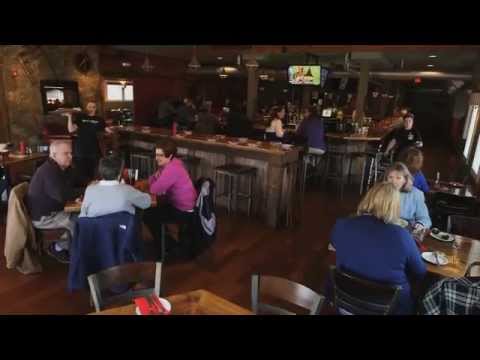
Tuckaway Tavern in Raymond, New Hampshire, transcends the conventional pub experience by weaving historical charm with modern hospitality, creating an atmosphere that feels both timeless and vibrant. The tavern’s architectural and interior design elements reflect a meticulous blend of preservation and innovation, fostering an environment where guests are enveloped in warmth, nostalgia, and community spirit. Every detail—from rustic wood beams to thoughtfully curated decor—contributes to an ambiance that is distinctly Tuckaway, where the past and present coexist seamlessly.
The layout of the tavern is intentionally designed to encourage connection, transforming casual dining into a shared experience. Whether through communal fireplaces that draw groups together or cozy nooks tucked away for intimate conversations, the space adapts to the rhythms of its visitors. Live music, local art, and themed events further elevate the atmosphere, turning ordinary evenings into memorable gatherings. Below, the sensory and structural elements that define Tuckaway Tavern’s unique ambiance are explored, contrasted with typical pub settings, and illustrated through vivid descriptions of its dynamic energy.
Architectural and Interior Design: A Fusion of History and Modern Comfort
Tuckaway Tavern’s exterior and interior design pay homage to New Hampshire’s rural heritage while incorporating contemporary comforts. The building’s original structure, constructed in the early 19th century, features exposed timber framing and wide-plank pine floors, preserving its historic character. Modern updates include energy-efficient lighting, climate-controlled spaces, and restored stone fireplaces that anchor the dining areas. The tavern’s interior balances rustic aesthetics—such as reclaimed barn wood, vintage signage, and handcrafted furniture—with functional design elements like adjustable lighting and ergonomic seating.
The bar itself is a focal point, crafted from locally sourced walnut and topped with a polished brass rail that gleams under ambient lighting. Behind it, shelves display an eclectic mix of whiskey barrels, antique glassware, and rotating exhibits of local art, adding layers of visual interest. The dining rooms feature a mix of high-top tables, booths, and communal tables draped with checkered cloths, ensuring flexibility for both large groups and solo diners. Even the restrooms retain period-appropriate details, such as clawfoot tubs in the private powder rooms, reinforcing the tavern’s commitment to historical authenticity.
Key Design Features: - Materials: Reclaimed barn wood, locally sourced walnut, stone fireplaces, vintage glassware. - Lighting: Adjustable warm lighting with Edison bulbs and modern LED accents. - Furniture: Handcrafted tables, leather-upholstered booths, and ergonomic bar stools. - Decor: Rotating local art, whiskey barrels as decor, and seasonal floral arrangements.
Layout and Social Interaction: Spaces Designed for Connection
Tuckaway Tavern’s floor plan prioritizes social interaction, with intentional design choices that break down barriers between guests. The open-concept layout allows diners to engage with one another while maintaining privacy in smaller groups. Communal tables near the fireplaces serve as natural gathering spots, particularly during colder months when the crackling fire draws crowds. For those seeking solitude, tucked-away corners and semi-private booths offer respite without isolation.
Outdoor seating extends the tavern’s hospitality, featuring a covered patio with heaters and string lights, perfect for spring and summer evenings. The patio’s rustic picnic tables and Adirondack chairs blend seamlessly with the surrounding forest, creating an outdoor extension of the indoor space. Even the bar’s design encourages mingling, with its central location and high-top seating that invites conversation.
How the Layout Fosters Interaction: - Communal Fireplaces: Central heating points that double as social hubs. - Flexible Seating: Mix of booths, high-tops, and communal tables for varied group sizes. - Open Bar Concept: Encourages movement and interaction between diners and bartenders. - Outdoor Integration: Patio design blurs the line between indoor and outdoor dining.
Live Music, Local Art, and Themed Events: Elevating the Atmosphere
Live music is a cornerstone of Tuckaway Tavern’s ambiance, with performances ranging from acoustic folk duos to full bands playing blues, rock, and bluegrass. The tavern hosts regular open mic nights, where local musicians showcase original work, and themed evenings like "Jazz and Whiskey Thursdays" draw crowds eager to enjoy live entertainment. Past performances have included collaborations with regional artists such as the Raymond Roots Folk Collective, a group of local musicians who perform traditional New England tunes, and visiting acts like The Holloways, a bluegrass band known for their energetic sets.
Local art plays a pivotal role in the tavern’s decor, with rotating exhibitions featuring works by New Hampshire artists. Past displays have included landscapes by Raymond-based painter Margaret O’Reilly, whose watercolors capture the region’s autumn foliage, and photography by the Monadnock Arts Alliance, showcasing the natural beauty of the Monadnock region. Themed events, such as Murder Mystery Dinners and Holiday Craft Fairs, further enhance the tavern’s dynamic atmosphere, turning ordinary nights into immersive experiences.
Notable Events and Performances: - Open Mic Nights: Weekly slots for local musicians, poets, and storytellers. - Jazz and Whiskey Thursdays: Live jazz combos paired with craft cocktails. - Murder Mystery Dinners: Themed evenings with interactive storytelling and costumes. - Holiday Craft Fairs: Seasonal markets featuring local artisans and live carolers.
Sensory Experience: A Contrast with Typical Pubs
Tuckaway Tavern’s atmosphere is defined by a multisensory experience that sets it apart from conventional pubs. Below is a table contrasting the sensory details of Tuckaway with those of a typical pub, highlighting the unique elements that create its signature ambiance.
| Sensory Detail | Tuckaway Tavern | Typical Pub | ||||||||||||||||||||||||||||||||||||||||||
|---|---|---|---|---|---|---|---|---|---|---|---|---|---|---|---|---|---|---|---|---|---|---|---|---|---|---|---|---|---|---|---|---|---|---|---|---|---|---|---|---|---|---|---|---|
| Sights |
|
|
||||||||||||||||||||||||||||||||||||||||||
| Sounds |
|
|
||||||||||||||||||||||||||||||||||||||||||
| Smells |
|
|
||||||||||||||||||||||||||||||||||||||||||
| Tactile Sensations |
|
Leave a Comment
Comments are moderated before appearing. The data you submit is processed according to the Privacy Policy of Vetlife Archive.