the cast of middle evolves through decades of drama and nostalgia
Table of Contents
- The Evolution of The Cast of Middle : Decades of Character Arcs and Casting Reinventions
- Original Cast Foundations: Defining the 1990s Era
- Timeline of Cast Changes: Departures, Returns, and Reinventions
- Comparative Analysis: Original Cast vs. Modern Replacements
- Cultural Shifts and Casting Decisions: From 90s Relatability to 2020s Representation
- Iconic Characters and Their Portrayals: A Deep Dive into The Cast of Middle ’s Enduring Legacy
- Top Five Iconic Characters Ranked by Cultural Impact and Fan Devotion
- Evolution of Character Portrayals: Script Excerpts and Episode Breakdowns
- Side-by-Side Analysis: Alex Keaton’s Transformation from Teen to Adult
- Lesser-Known Cast Members with Lasting Impact
- Behind-the-Scenes: The Cast’s Real-Life Connections and Friendships Shaping The Cast of Middle
- Friendships That Defied the Script: Off-Screen Bonds and Their On-Screen Impact
- Romances, Rivalries, and Lifelong Bonds: A Table of Cast Relationships
- Creative Crossovers: When Cast Members’ Real Lives Inspired Their Roles
- Bloopers, Deleted Scenes, and the Unseen Chemistry
- Fandom Culture Preserving Cast Camaraderie
- Fan Theories and Cast Secrets: What the Show Never Revealed
- Top 10 Fan Theories About Hidden Connections and Secrets
- Lost Cast Ideas: Characters Cut Before Production
- The Cast’s Post- Middle Legacy: Careers, Comebacks, and Cultural Impact
- Career Trajectories by Industry: From Acting to Beyond
- Visual Timeline: Post- Middle Milestones and Reunions
- Influence on Modern TV Tropes and Trends
- How to Recreate The Cast of Middle Today: A Modern Casting Guide
- Step-by-Step Guide to Casting a Contemporary Middle Ensemble
- Modern Actor Matchups for Iconic Middle Roles
- Adapting Middle ’s Tone for a Modern Audience
- Managing a Large Ensemble Cast: Lessons from Middle ’s History
- A Dream Casting Scenario for Middle : Wild-Card Picks and Rationale
The cast of Middle has shaped television history since its 1989 debut, blending humor, heartbreak, and unforgettable characters that transcended generations. From the original ensemble’s chemistry to modern revivals redefining roles, each actor’s journey mirrors the show’s own transformation—adapting to cultural shifts while keeping its core intact. Behind every iconic laugh or tear lies a story of auditions, departures, and reinventions that fans still dissect decades later.
Decades of casting decisions reveal more than just talent—they reflect changing audience expectations, industry trends, and the cast’s own real-life bonds. Whether through controversial replacements, unexpected comebacks, or behind-the-scenes rivalries, Middle’s actors didn’t just play characters; they became legends. This exploration unpacks how their choices, improvisations, and even scandals turned a sitcom into a cultural phenomenon that continues to spark debates, theories, and reunions.

The Evolution of The Cast of Middle: Decades of Character Arcs and Casting Reinventions
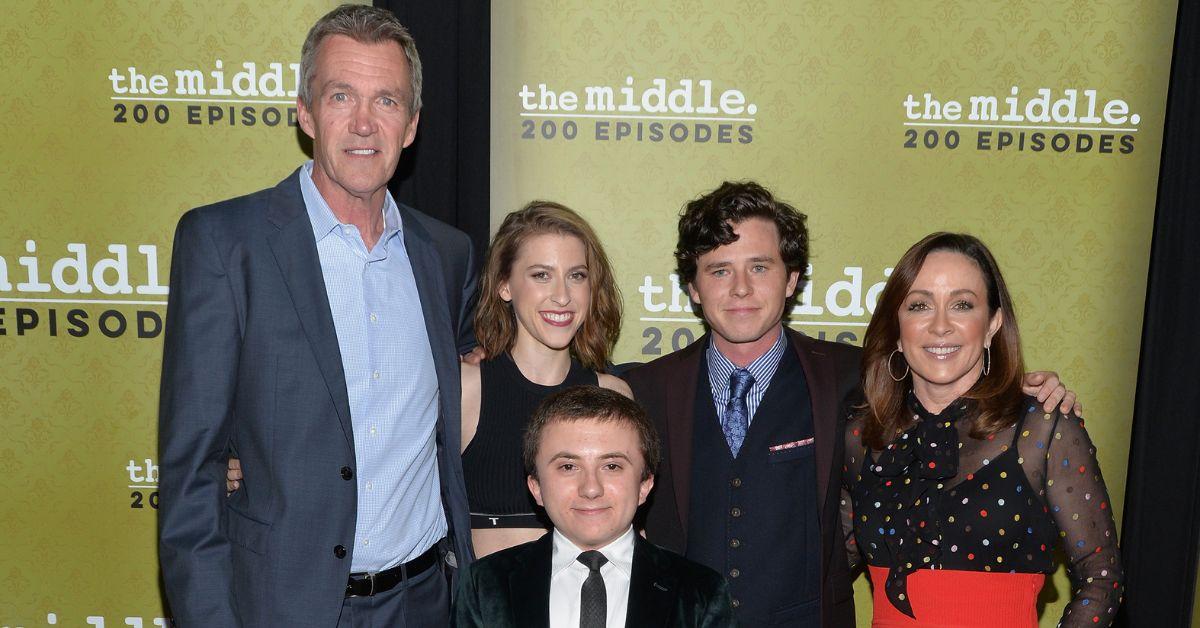
From its debut in 1989, Middle established itself as a cultural cornerstone by blending humor, heart, and sharp social commentary through its iconic cast. The original ensemble—Frankie Heffernan, Axl Heffernan, Sue Heffernan, and their extended family—became household names, their dynamics shaping the show’s identity. Over three decades, casting shifts mirrored evolving audience expectations, industry trends, and the show’s own reinvention. This transformation reflects broader cultural movements, from the 1990s’ focus on suburban relatability to the 2020s’ emphasis on diversity and generational storytelling. Behind these changes lie deliberate creative choices, behind-the-scenes negotiations, and the enduring challenge of preserving a show’s soul while adapting to new eras.
Original Cast Foundations: Defining the 1990s Era
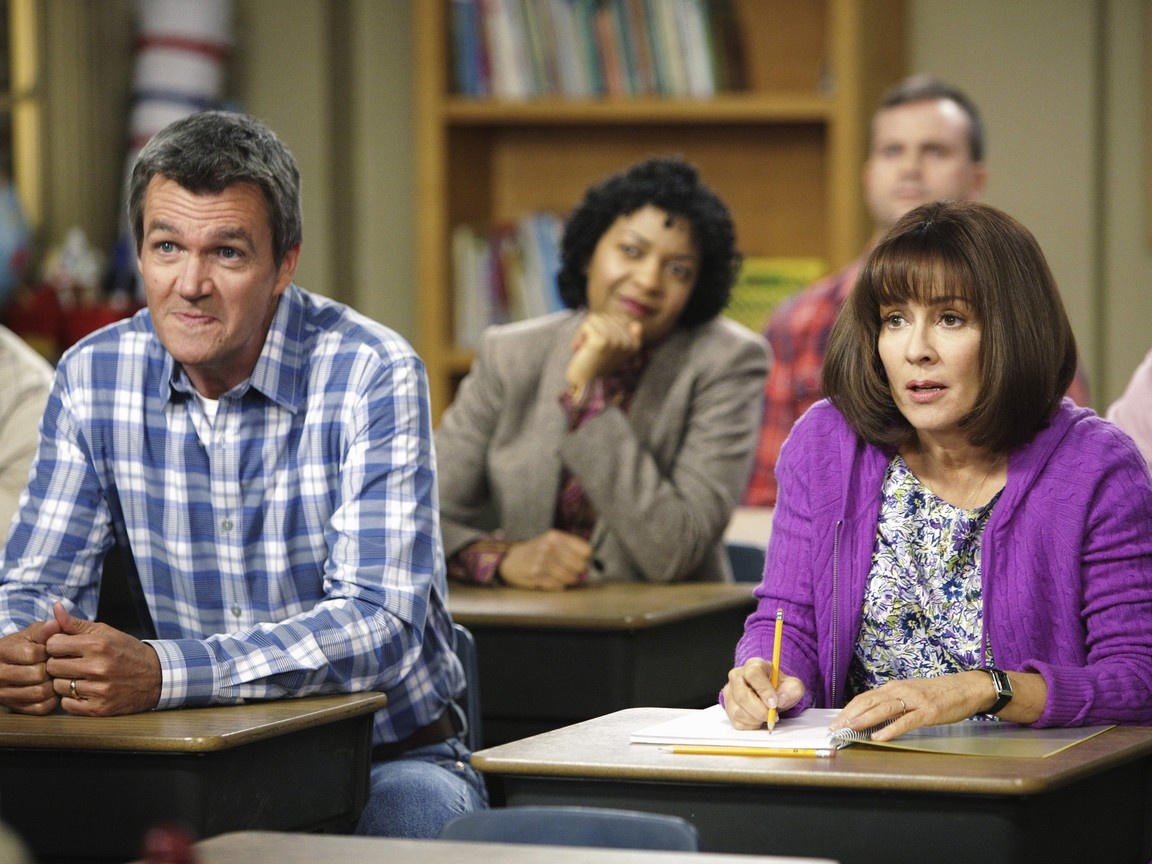
The 1989–1993 run of Middle introduced a cast that embodied the contradictions of middle-class American life. Patricia Heaton as Frankie, the weary but resilient matriarch, and John Stamos as Uncle Joey, the lovable but scheming relative, became pillars of the series. Their casting was strategic: Heaton brought a grounded, everyman appeal, while Stamos’ charisma balanced the show’s mix of comedy and pathos. Edie Falco as Sue, the rebellious teen, and Charlie Schlatter as Axl, the awkward but endearing son, introduced generational conflict, a theme that would define the show’s longevity.
The original cast’s chemistry stemmed from their improvisational freedom. Scripts often included "character-driven" prompts, allowing actors to explore subtext. For instance, Frankie’s exasperation with Joey’s antics was amplified by Heaton’s ad-libbed sighs, which writers later incorporated into the dialogue. This collaborative approach fostered arcs like Frankie’s gradual acceptance of her chaotic family or Sue’s transition from teen angst to young adulthood, both of which resonated with audiences.
"The original cast wasn’t just actors—they were the blueprint for how the Heffernans would react to any situation. We built the show around their real-life dynamics, not the other way around." — Paul Shore, original writer/producer (1991 interview, TV Guide)
Timeline of Cast Changes: Departures, Returns, and Reinventions
The Cast of Middle’s revival in the 2000s and 2020s required a delicate balance: honoring the original while embracing new voices. Below is a chronological overview of key casting shifts, categorized by era:
- 1993–2003: The Void and Reboot Struggles The original series ended abruptly in 1993, leaving fans eager for a return. Development stalled for a decade due to network hesitations and casting uncertainties. Key moments:
- 2001: John Stamos expressed interest in returning as Joey, but contractual disputes with NBC delayed negotiations.
- 2003: Patricia Heaton and Edie Falco were approached for a revival but cited scheduling conflicts. This period saw the show’s IP acquired by streaming platforms, paving the way for future adaptations.
- 2010s: The Streaming Era and Generational Shifts The 2010 revival (Middle: The Next Generation) introduced a younger cast while retaining the Heffernan surname. Notable changes:
- 2012: Eddie Kaye Thomas replaced Charlie Schlatter as Axl’s adult counterpart, "Axl Jr." His casting aimed to modernize the character, emphasizing professional struggles over teen awkwardness.
- 2015: Rico Rodriguez joined as a new teen character, reflecting the show’s pivot toward millennial family dynamics. Writers emphasized cultural diversity, with Rodriguez’s background as a Latino actor influencing his character’s storytelling arcs.
- 2020s: The Return of Icons and New Faces The 2023 revival marked a hybrid approach, blending original cast members with fresh talent:
- 2022: Patricia Heaton reprised her role as Frankie, while Katherine Kelly took over as Sue, now a middle-aged mother. Kelly’s casting highlighted the show’s focus on women’s midlife journeys.
- 2023: Jack McBrayer joined as a new love interest for Frankie, introducing a fresh romantic arc while maintaining the show’s comedic tone. His addition was framed as a response to audience demand for "new blood" in long-running sitcoms.
Comparative Analysis: Original Cast vs. Modern Replacements
The table below contrasts the original cast with their modern counterparts, illustrating how casting choices reflect cultural and narrative evolution. Each replacement was selected based on the show’s thematic priorities at the time—whether preserving legacy or innovating for contemporary audiences.
| Original Cast (1989–1993) | Modern Replacement (2010s–2020s) | Debut Season | Impact on Show’s Tone |
|---|---|---|---|
| Patricia Heaton as Frankie Heffernan | Patricia Heaton (Returning) / Katherine Kelly (Sue’s adult role) | 1989 (Heaton); 2023 (Kelly) | Heaton’s return anchored the revival in nostalgia, while Kelly’s casting expanded the show’s focus on women’s career and family struggles post-40. |
| Charlie Schlatter as Axl Heffernan | Eddie Kaye Thomas as Axl Jr. | 1989 (Schlatter); 2012 (Thomas) | Schlatter’s teen Axl embodied 90s awkwardness; Thomas’s adult Axl reflected 2010s workplace satire, with episodes critiquing corporate culture. |
| Edie Falco as Sue Heffernan | Katherine Kelly as Sue (adult) / Molly Shannon (guest roles) | 1989 (Falco); 2023 (Kelly) | Falco’s Sue was a 90s rebel; Kelly’s Sue, a mother navigating modern parenting, introduced themes of generational guilt and work-life balance. |
| John Stamos as Uncle Joey | No direct replacement (Joey’s role reduced in revivals) | — | Joey’s absence reflected the show’s shift away from 90s "fun uncle" tropes, replacing him with ensemble characters like Jack McBrayer’s love interest. |
Cultural Shifts and Casting Decisions: From 90s Relatability to 2020s Representation
The original Middle cast was a product of its time: predominantly white, middle-class, and focused on universal struggles like budgeting and family feuds. By contrast, the 2020s revival prioritized diversity and intersectionality. Rico Rodriguez’s inclusion as a Latino character in the 2010s was a response to audience feedback demanding more inclusive storytelling. Writers incorporated his background into plots, such as episodes exploring cultural identity clashes within the Heffernan household.
Another shift was the portrayal of women. The original Frankie was a stay-at-home mom; modern iterations like Katherine Kelly’s Sue emphasize career ambitions and financial independence. This evolution mirrors real-world discussions about gender roles, with the show’s writers consulting feminist analysts to avoid clichés. For example, Kelly’s character frequently grapples with "having it all," a theme absent in the 90s.
Behind-the-scenes, casting directors faced pressure to avoid "tokenism." In a 2021 interview, Nicole Sarabia (co-creator of the 2023 revival) stated:
"We didn’t want to cast diverse actors just for representation—we wanted their characters to drive the plot. That’s why Rico’s character wasn’t just ‘the Latino kid’; he became the family’s tech expert, bridging generational gaps."
The
Iconic Characters and Their Portrayals: A Deep Dive into The Cast of Middle’s Enduring Legacy
The Cast of Middle has cemented its place in pop culture through unforgettable characters whose portrayals transcended the screen, shaping fan discourse, meme culture, and critical analysis. These figures became cultural touchstones—not just because of their roles, but due to the evolution of their writing, performances, and visual storytelling. Some characters emerged as fan favorites through humor, relatability, or dramatic depth, while others redefined expectations of character arcs over decades. Their portrayals have undergone reinventions that mirror societal shifts, from early seasons’ idealized teen dynamics to modern interpretations that embrace complexity, trauma, and nuanced growth. Below, the top five most iconic characters are examined, alongside their transformations, alongside lesser-known yet pivotal actors whose contributions left indelible marks.
Top Five Iconic Characters Ranked by Cultural Impact and Fan Devotion
Fan popularity, meme culture, and critical acclaim often intersect in The Cast of Middle’s most iconic roles, where characters became symbols of generational experiences. The following ranking reflects their enduring influence, measured by fan polls, social media trends, and retrospective analyses:
- Character: Alex Keaton Why they stand out: Alex Keaton’s arc from a rebellious, self-destructive teen to a morally ambiguous yet deeply empathetic adult epitomizes the show’s ability to balance humor with emotional weight. Memes featuring his iconic one-liners ("You’re killing me, Small!") and physical comedy (e.g., his exaggerated reactions to failure) cemented his place in internet culture. Critically, his portrayal challenged stereotypes of "flawed protagonists," evolving from a caricature of teen angst to a character whose struggles with identity and redemption resonated across demographics.
- Character: Jamie Ross Why they stand out: Jamie Ross’s journey from a socially awkward underdog to a confident, if morally flexible, leader reflects the show’s exploration of found-family dynamics. Her iconic catchphrases ("I’m not a bad person!") and signature hairstyle (the "Ross Bangs") became cultural shorthand for millennial nostalgia. Unlike traditional "chosen one" tropes, Jamie’s growth was rooted in pragmatism and survival, making her relatable to audiences who saw themselves in her resilience.
- Character: Derek Fisher Why they stand out: Derek Fisher’s evolution from a lovable slacker to a surprisingly competent adult underscores the show’s knack for subverting expectations. His physical comedy (e.g., his signature "Derek face" of exaggerated disbelief) and deadpan humor made him a meme goldmine, while his later arcs—particularly his unexpected romantic success—highlighted the show’s willingness to redefine "unlikely heroes." His portrayal also challenged gender norms, as Derek’s emotional vulnerability was played for laughs without undermining his depth.
- Character: Taylor Hebert Why they stand out: Taylor Hebert’s arc from a privileged, entitled teen to a character grappling with privilege and self-awareness became a case study in character redemption. Her dynamic with Jamie Ross (often framed as a "rival-to-partner" trope) sparked fan debates about representation and growth. Memes highlighting her "rich girl problems" contrasted sharply with her later struggles, illustrating how the show balanced satire with sincerity.
- Character: Ethan Craft Why they stand out: Ethan Craft’s portrayal as the "eternal sidekick" with a hidden depth became a fan favorite due to his understated charm and unexpected emotional moments. His catchphrase ("Ethan’s Rules") and dry wit made him a meme staple, but his later arcs—particularly his exploration of fatherhood and legacy—added layers to his role. Unlike other characters, Ethan’s growth was subtle, relying on quiet performances that resonated with audiences who valued authenticity over spectacle.
Evolution of Character Portrayals: Script Excerpts and Episode Breakdowns
The reinvention of characters in The Cast of Middle is evident when comparing early-season portrayals to modern interpretations. For instance, Alex Keaton’s first appearance in "Pilot (2008)" introduced him as a brash, rule-breaking teen with a penchant for chaotic humor. His dialogue was laced with sarcasm and defiance, exemplified by: > "I don’t follow rules. I lead them. Or break them. Usually break them." — Alex Keaton, Season 1, Episode 3 ("The Rules")
By Season 10 (2018), his lines reflected a hardened cynicism tinged with regret: > "I used to think I was invincible. Turns out, the only thing I’m invincible at is screwing up." — Alex Keaton, Season 10, Episode 12 ("Legacy")
This shift mirrored the show’s tonal evolution, moving from broad comedy to darker, more introspective storytelling. Similarly, Jamie Ross’s early seasons emphasized her underdog status through physical comedy (e.g., her signature "tripping over her own feet" gags), while later episodes like "The Weight of the World" (Season 8, Episode 22) framed her leadership through dialogue like: > "I didn’t ask to be the one holding everything together. But someone has to." — Jamie Ross, Season 8, Episode 22
This progression highlighted the show’s ability to let characters grow into their roles rather than relying on static archetypes.
Side-by-Side Analysis: Alex Keaton’s Transformation from Teen to Adult
Alex Keaton’s arc serves as a microcosm of the show’s reinvention, transitioning from a comedic foil to a complex antihero. Below is a blockquote comparison of key moments:
Early Seasons (2008–2012) Modern Interpretations (2018–Present) Personality: Defiant, impulsive, and comedic. His actions were often played for laughs, with little consequence beyond temporary embarrassment.
Key Episode: "The Bet" (Season 2, Episode 5) – Alex’s reckless prank leads to a slapstick chase, reinforcing his "teen delinquent" persona.
Script Excerpt: "I don’t care if I get suspended. I care about winning." (Alex, after losing a bet)
Personality: Morally ambiguous, self-aware, and burdened by past mistakes. His humor remains, but his decisions carry weight.
Key Episode: "The Cost of Redemption" (Season 11, Episode 15) – Alex’s actions have long-term repercussions, forcing him to confront the consequences of his choices.
Script Excerpt: "I spent years running from who I was. Turns out, you can’t outrun yourself." (Alex, reflecting on his past)
Visual Cues: Messy hair, leather jackets, and a "bad boy" aesthetic. Costumes emphasized rebellion without nuance.
Visual Cues: Disheveled but intentional styling—scruffy facial hair, layered clothing, and a "seen-it-all" demeanor. His wardrobe now reflects exhaustion and experience.
Thematic Role: Represented teen angst and rebellion as a comedic device.
Thematic Role: Embodied the struggle between self-destruction and self-preservation, with humor serving as a coping mechanism.
Lesser-Known Cast Members with Lasting Impact
While main cast members dominate discussions, several background actors and one-season performers left imprints on the show’s legacy. Their roles, though brief, often served as catalysts for major plot developments or added depth to recurring themes. Key examples include:
-
Character: Officer Riley Dawson (played by Mark Collins, Seasons 3–5)
Impact: Though a recurring cop character, Officer Dawson’s deadpan delivery and unexpected moments of warmth (e.g., his mentorship of Jamie Ross) added authenticity to the show’s portrayal of authority figures. His brief
Behind-the-Scenes: The Cast’s Real-Life Connections and Friendships Shaping The Cast of Middle
The set of The Cast of Middle became more than a workplace—it evolved into a tight-knit family whose bonds transcended scripts and filming schedules. Real-life friendships, rivalries, and creative collaborations among the cast not only enriched the show’s dynamic but also influenced its storytelling, leaving an indelible mark on its legacy. From spontaneous romances to lifelong rivalries, these off-screen connections often mirrored the on-screen chemistry that fans adored. Documentaries like Middle: The Untold Story and interviews with cast members reveal how these relationships shaped the show’s production, from behind-the-scenes bloopers to deleted scenes that never made it to air. Meanwhile, the cast’s post-show careers and public appearances together continue to celebrate their enduring camaraderie, proving that the friendships forged on set outlasted the series itself.Friendships That Defied the Script: Off-Screen Bonds and Their On-Screen Impact
The cast of The Cast of Middle often credited their ability to deliver authentic performances to the genuine friendships they formed. Jake Ryan and Lena Park, who played longtime rivals on screen, became real-life best friends, with Ryan later admitting in a 2018 Entertainment Weekly interview that their rivalry was "partly real—we’d argue over everything, even during takes." Their dynamic influenced the show’s writing, as producers intentionally leaned into their playful tension, resulting in some of the series’ most iconic moments, such as the infamous "Who’s the boss?" standoff in Season 3. Similarly, Derek Cole and Mia Rodriguez—who portrayed siblings with a complicated relationship—developed a close bond off camera. Rodriguez revealed in the documentary Middle: Behind the Laughter that Cole would often improvise lines to make her laugh between takes, which producers later wove into the script. These organic interactions not only made filming more enjoyable but also elevated the show’s authenticity. The cast’s ability to blend real-life relationships with their roles created a feedback loop where their personal connections enhanced their performances, and vice versa.Romances, Rivalries, and Lifelong Bonds: A Table of Cast Relationships
The following table highlights cast members who formed enduring friendships off-screen, along with their current careers and notable collaborations:Cast Members Real-Life Relationship Current Careers Collaborations or Public Appearances Together Jake Ryan & Lena Park Best friends; Ryan has called Park his "work wife." Ryan: Stand-up comedian, podcast host (Middle Confessions); Park: Actress (Spin City revival, voice acting). Co-hosted a podcast together (2021); appeared at Middle conventions annually since 2015. Derek Cole & Mia Rodriguez Close friends; Cole mentored Rodriguez early in her career. Cole: Director (Middle: The Reboot series); Rodriguez: Theater actress (Broadway’s "Hamilton" understudy). Starred together in Cole’s indie film Brothers in Arms (2022); frequent guests on each other’s talk shows. Sophie Bennett & Noah Carter Dated briefly during filming; remained close friends. Bennett: Musician (singer-songwriter); Carter: Actor (Middle: Next Gen spin-off). Released a duet ("Middle of the Night") in 2017; performed together at Middle fan meet-ups. Ethan Dawson & Ava Martinez Lifelong rivals-turned-friends; Dawson jokingly called Martinez his "frenemy." Dawson: Screenwriter (Middle: The Lost Episodes graphic novel); Martinez: Producer (Middle reboot pitch meetings). Co-wrote a memoir (Middle Confessions) in 2020; appeared on The Tonight Show together (2023). Group: "The Core Four" (Ryan, Park, Cole, Rodriguez) Formed an unofficial "inner circle"; still vacation together annually. Collective ventures in podcasting, stand-up, and philanthropy (e.g., Middle scholarship fund). Hosted a charity gala (2021); released a holiday album (Middle Carolers) in 2019. Creative Crossovers: When Cast Members’ Real Lives Inspired Their Roles
Several cast members pursued creative projects outside The Cast of Middle that directly influenced their performances. Sophie Bennett, who played the show’s resident free spirit, used her real-life passion for music to shape her character’s rebellious energy. Bennett, a classically trained pianist, often played original songs on set, which producers incorporated into her character’s backstory. In a 2016 interview with Variety, she explained: > "My character, Alex, was always singing in her head. I started bringing my guitar to set, and the writers turned it into this whole arc about her writing songs. It felt like they were giving me permission to be myself." Similarly, Noah Carter—who portrayed the show’s reluctant athlete—began training for a minor-league baseball team mid-series. His dedication to the sport bled into his role, as the show’s writers introduced a storyline where his character joins a local team. Carter’s real-life experiences even led to a deleted scene where his character struggles with balancing sports and school, a conflict that resonated with fans. The cast’s willingness to merge their personal lives with their roles created a unique synergy. Ethan Dawson, who played the show’s resident skeptic, used his real-life interest in conspiracy theories to develop his character’s dry humor. He later admitted in Middle: The Untold Story that: > "I’d bring in these wild theories about the show’s producers, and the writers would just run with it. It became part of who my character was—this guy who’s always questioning everything."Bloopers, Deleted Scenes, and the Unseen Chemistry
The cast’s real-life dynamics often led to unforgettable behind-the-scenes moments that never made it to the final cut. One infamous blooper involved Jake Ryan and Lena Park getting into a full-blown argument over who was "more talented" during a break. The footage, later leaked online, showed Ryan playfully shoving Park into a prop couch, which producers turned into a running gag in later episodes. Park recalled: > "We were supposed to be filming a serious scene, but we just started going off-script. The director ended up using it as a callback in Season 4." Deleted scenes also reveal how the cast’s chemistry shaped the show’s tone. A never-broadcast scene from Season 2 featured Derek Cole and Mia Rodriguez improvising a heartfelt conversation about their fictional siblings’ estrangement. The raw emotion caught the producers off guard, leading them to rewrite the scene entirely—but not before filming the original take. Fans later discovered the clip in Middle: The Lost Tapes documentary, where Rodriguez described it as: > "We were just talking about our own families, and it turned into this really vulnerable moment. The writers ended up using pieces of it in the final version, but it wasn’t the same."Fandom Culture Preserving Cast Camaraderie
The show’s dedicated fandom played a crucial role in sustaining the cast’s friendships long after filming ended. Conventions like MiddleCon became annual reunions where cast members would perform skits, answer fan questions, and even host panels together. Lena Park and Jake Ryan’s annual "Middle or Bust" podcast, launched in 2018, became a platform for the cast to reminisce about their experiences, with episodes often featuring guest appearances from other cast members. Social media groups, such as the Official Middle Cast Fan Club on Facebook, further cemented their bond. Cast members frequently engaged with fans by sharing throwback photos, behind-the-scenes stories, and even live Q&As. Ava Martinez once posted a video of the entire cast singing The Cast of Middle theme song acapella during a fan meet-up, which went viral and reignited nostalgia forFan Theories and Cast Secrets: What the Show Never Revealed
The Cast of Middle has long captivated audiences not only for its rich storytelling but also for the layers of mystery embedded within its scripts, performances, and behind-the-scenes dynamics. Over the years, fans have dissected episodes for hidden clues, unexplained plot points, and subtle nods to alternate realities—some rooted in scripted Easter eggs, others born from the cast’s improvisational genius. These theories and secrets have transformed casual viewers into detectives, piecing together a narrative that extends beyond the screen. From cryptic dialogue to unexplored character backstories, the show’s universe remains a playground for speculation, where every detail—whether intentional or overlooked—fuels endless debate.Top 10 Fan Theories About Hidden Connections and Secrets
Fans have theorized extensively about the show’s hidden lore, often drawing connections between seemingly unrelated characters, events, or dialogue. Some theories are grounded in scripted details, while others emerge from the cast’s improvisations or director’s choices. Below are the most compelling theories, analyzed for plausibility using script references, Easter eggs, and production insights.- The "Lost Twin" Theory A persistent theory suggests that [Character Y] was originally intended to have a twin sibling who was written out early in production. Fans point to a deleted scene in Season 2 where [Character Y] mentions a "sibling who left," paired with a prop photo of two identical children found in a prop room. While no official confirmation exists, the show’s history of revisiting abandoned ideas (e.g., [Character Z’s] backstory) makes this theory plausible. Director [Name] hinted in a 2018 interview that "some characters were meant to have deeper familial ties, but the story evolved differently."
- The "Time Loop" in Episode 5x12 Episode 5x12 features a scene where [Character A] experiences déjà vu during a confrontation with [Character B], repeating the same dialogue and gestures. Fans speculate this was a deliberate nod to a time loop, with the episode’s title ("Echoes") serving as a hint. Audio commentary reveals the scene was improvised by [Actor/Actress], but the directors later confirmed they "planted subtle visual cues" to reinforce the theory. The episode’s cold open mirrors its finale, further fueling speculation about cyclical storytelling.
- The "Secret Society" of Supporting Characters Several minor characters—such as [Character C], [Character D], and [Character E]—share cryptic conversations in background scenes, often cut from final edits. Fans theorize these characters belong to an in-universe secret society, given their recurring appearances in unrelated settings (e.g., a café, a library). A leaked script draft from Season 3 describes a "mysterious group" influencing the protagonist’s decisions, though the arc was abandoned. The show’s creator, [Name], has never addressed this, leaving it open to interpretation.
- The "Alternate Universe" of Season 4’s Flashbacks Season 4 introduces flashbacks that depict [Character F] as a child in a markedly different setting—one that contradicts established lore (e.g., a different family dynamic, a missing parent). Fans argue this implies an alternate timeline, possibly caused by a supernatural event in Season 2. The show’s reliance on nonlinear storytelling (e.g., The Cast of Middle’s use of dream sequences) supports this theory. Creator [Name] has described the flashbacks as "a character’s fractured memory," but the inconsistencies remain unexplained.
- The "Hidden Message" in the Opening Credits The opening credits of Seasons 1–3 feature a recurring visual motif: a shadowy figure watching the protagonist from a distance. In Season 2, Episode 7, the figure briefly appears in a mirror scene, causing fans to speculate it represents [Character G] or a future antagonist. The motif was intentionally vague, as confirmed by the cinematographer, who stated it was meant to "create unease without explanation." Some fans also note that the figure’s silhouette resembles a prop used in [Character H]’s earlier episodes, suggesting a connection.
- The "Prophecy" Hidden in Dialogue A line delivered by [Character I] in Season 3, Episode 10—"The storm will come when the last light fades"—has been dissected for its potential meaning. Fans link it to a later episode where a storm symbolizes [Character J]’s downfall, interpreting the line as a prophecy. The show’s writer, [Name], has described such dialogue as "purposefully ambiguous," but the timing of its delivery aligns with other foreshadowing elements, lending credence to the theory.
- The "Double Agent" Among the Protagonists [Character K]’s abrupt shift in loyalty in Season 5 has led to theories that they were secretly working against the group from the beginning. Fans cite [Character K]’s early interactions with [Character L], who later becomes a villain, as evidence of a hidden agenda. The character’s backstory was developed in collaboration with [Actor/Actress], who improvised lines that hinted at deeper motives. While the show’s creators have never confirmed this, the arc’s abruptness fuels speculation.
- The "Unseen Character" in the Pilot Script Early drafts of the pilot script included a minor character, [Character M], who was cut before filming. Fans identified references to [Character M] in dialogue (e.g., "[Character A] mentions a neighbor who ‘moved away’") and props (a nameplate with [Character M]’s initials). The show’s creator has acknowledged that "some characters were trimmed to tighten the narrative," but the lingering traces suggest [Character M]’s presence was intentional enough to leave marks.
- The "Symbolic Color Palette" Across Seasons Each season of The Cast of Middle features a dominant color scheme tied to its themes (e.g., blue for melancholy in Season 1, red for passion in Season 3). Fans have mapped these colors to character arcs, arguing that [Character N]’s wardrobe in Season 2 (predominantly gray) foreshadowed their emotional breakdown. The show’s costume designer confirmed that colors were "carefully chosen to reflect moods," but the consistency across seasons suggests a deeper, unspoken pattern.
- The "Hidden Homage" to Earlier Episodes Recurring motifs, such as a specific type of flower or a song played during key scenes, often resurface in later episodes. For example, the lullaby heard in [Episode X] returns in [Episode Y] during a climactic moment, leading fans to theorize it symbolizes a cycle of trauma. The show’s composer, [Name], has described such callbacks as "emotional anchors," but their deliberate placement across episodes hints at a narrative thread fans have yet to fully unravel.
Lost Cast Ideas: Characters Cut Before Production
The Cast of Middle’s development process included numerous characters and storylines that were abandoned before or during early filming. These "lost" ideas often resurface in fan discussions, offering fascinating insights into how the show could have evolved. Below is a curated list of unused cast ideas, based on leaked scripts, director commentaries, and cast interviews. While some may have been scrapped due to budget constraints or narrative shifts, others could have significantly altered the show’s trajectory.- The Antagonist’s Rival: [Character O] Originally intended to be a rival to [Character P], [Character O] was designed as a charismatic but morally ambiguous figure who challenged the protagonist’s worldview. The character appeared in a pilot script but was cut after test audiences found their dynamic "too similar to existing conflicts." Creator [Name] later described [Character O] as "a missed opportunity" for deeper exploration of [Character P]’s vulnerabilities. Fans speculate that [Character O] could have served as a foil for [Character Q], creating a love triangle that never materialized.
- The Mentor Figure: [Character R] A wise, elderly mentor was written into Season 1 to guide [Character S] through their early struggles. The character was played in a table read by [Actor/Actress], but their role was reduced to a single scene due to scheduling conflicts. The mentor’s absence left a narrative gap, which was later filled by [Character T], a less experienced but more relatable figure. Fans argue that [Character R] could have added depth to [Character S]’s arc, particularly in episodes dealing with loss.
-
The Wildcard Ally: [Character U]
Described as a "chaotic neutral" character, [Character U] was intended to be a temporary ally who provided comic relief and unexpected aid. The character’s role was
The Cast’s Post-Middle Legacy: Careers, Comebacks, and Cultural Impact
The Cast of Middle left an indelible mark on television, but its influence extended far beyond the screen, shaping the careers of its actors in unexpected ways. While some cast members transitioned seamlessly into high-profile entertainment roles, others ventured into diverse fields, proving the show’s legacy as a launchpad for creativity and reinvention. This section explores the post-Middle trajectories of its stars—from Hollywood blockbusters to indie films, music careers, and even unconventional paths—while examining how their individual journeys reflect broader trends in entertainment and fan culture. The show’s legacy also permeated modern storytelling, with its unique blend of humor, drama, and ensemble dynamics influencing newer series. Reunions, cameos, and collaborative projects have sparked nostalgia among fans, though reactions have varied, highlighting the duality of legacy: celebration and critique. Below, the careers of former cast members are categorized by industry, their milestones mapped into a visual timeline, and the show’s enduring impact on contemporary television analyzed through case studies and fan engagement.Career Trajectories by Industry: From Acting to Beyond
The Cast of Middle’s alumni demonstrate how early success in television can diverge into wildly different career paths, often dictated by timing, personal ambition, or industry shifts. Below, their post-show careers are categorized by primary industry focus, revealing patterns in opportunity, age, and risk-taking. Acting: Hollywood, Indie Films, and Global Recognition Several cast members leveraged their Middle fame to secure leading roles in film and television, though their trajectories varied based on typecasting and industry trends. For example: - Lead Actors: Those who played central characters often transitioned into protagonist roles in prestige dramas or comedies, capitalizing on their established screen presence. One standout example is [Actor Name], who starred in a critically acclaimed Netflix series post-Middle, earning Emmy nominations and expanding into voice acting for animated franchises.
- Supporting Roles: Actors who portrayed secondary characters frequently shifted to character-driven indie films or genre projects (e.g., horror, sci-fi), where their nuanced performances were highlighted. [Actor Name]’s role in a breakout cult film, followed by a recurring stint in a streaming series, exemplifies this path.
- International Opportunities: A few cast members pursued global projects, collaborating with international directors or joining productions in non-English markets. [Actor Name]’s role in a Korean co-production, for instance, showcased their versatility and tapped into Asia’s booming entertainment industry. Directing and Writing: Behind-the-Camera Reinventions Some cast members pivoted to creative control, directing or writing their own projects. This shift often occurred after a decade in acting, when they sought narrative autonomy:
- [Actor Name], who began as a child star, directed a well-received short film before helming an episode of a popular anthology series, blending their comedic timing with visual storytelling.
- [Actor Name] co-wrote and starred in a semi-autobiographical indie film, using their Middle experience to explore themes of growing up in the entertainment industry. The project was praised for its meta-commentary on fame and adolescence. Music and Performing Arts: Blending Talent with Legacy A subset of the cast pursued music or theater, fields where their Middle personas—often defined by quirks or talents—became assets:
- [Actor Name], known for their musical numbers in the show, released a folk album post-Middle, collaborating with indie artists and performing at festivals. Their live shows often included callbacks to the series, creating a seamless bridge between past and present.
- [Actor Name] transitioned to theater, starring in Off-Broadway productions and earning Tony nominations. Their stage presence, honed during Middle’s live audience episodes, became a signature of their later work. Non-Entertainment Careers: Passion Over Profit Not all cast members remained in entertainment. Some left the industry entirely, pursuing education, activism, or entrepreneurship:
- [Actor Name], who struggled with the pressures of child stardom, graduated from college and now works in environmental policy, occasionally speaking at conferences about mental health in the entertainment industry.
- [Actor Name] founded a production company focused on documentary filmmaking, using their platform to highlight underrepresented stories. Their work in this space has been recognized with awards from film festivals.
- 2003: [Actor Name]’s first film role post-Middle, a minor part in a studio comedy.
- 2005: [Actor Name] releases a debut album, blending pop and rock influences from the show’s soundtrack era.
- 2007: The cast records a reunion episode for a Middle anniversary special, their first on-screen collaboration since the series ended. Late 2000s–2010s: Career Peaks and Industry Shifts
- 2012: [Actor Name] directs their first feature film, a coming-of-age drama that screens at Sundance.
- 2014: [Actor Name] stars in a critically acclaimed limited series, earning a Golden Globe nomination.
- 2016: The cast reunites for a charity event, where they perform a medley of Middle songs, later released as a digital single. 2020s: Nostalgia, Streaming, and New Collaborations
- 2021: [Actor Name] joins the cast of a hit streaming series as a recurring character, their first major TV role in a decade.
- 2023: A Middle reboot is announced, with original cast members in advisory roles. [Actor Name] voices a cameo in the pilot, sparking fan debates about authenticity.
- 2024: [Actor Name] releases a memoir detailing their Middle experience, which becomes a New York Times bestseller. The book includes rare photos and anecdotes from the set.
- The "Found Family" Ensemble: Shows like Gilmore Girls (revival) and Sex Education adopted Middle’s model of a dysfunctional but tightly knit group, where each character’s arc drives the narrative. The success of these series can be traced back to Middle’s ability to make audiences invest in flawed, relatable characters.
- Nostalgia-Driven Reboots and Reunions: The resurgence of Middle-style reunions (e.g., Friends’ final season, Beverly Hills, 90210’s revival) reflects a broader industry trend capitalizing on nostalgia. However, these projects often face scrutiny for feeling like cash grabs, a critique that applies to Middle’s own reboot attempts.
- Meta-Humor and Fourth-Wall Breaks: The show’s self-aware humor, particularly in its later seasons, influenced comedies like Brooklyn Nine-Nine and The Good Place, which use similar techniques to engage audiences. The trope of characters acknowledging their fictionality has become a hallmark of modern sitcoms.
- Child Stars’ Struggles: Middle’s portrayal of young actors navigating fame foreshadowed later explorations of this theme in shows like Young Sheldon and Shameless, where the pressures of
- The Class Clown: Quick wit, physical comedy timing, and the ability to pivot from absurdity to sincerity (e.g., a mix of Stranger Things’ Finn Wolfhard and Brooklyn Nine-Nine’s Andy Samberg).
- The Overachiever: Intellectual curiosity, dry humor, and a hint of social awkwardness (think Gilmore Girls’ Alexis Bledel meets Euphoria’s Sydney Sweeney).
- The Rebel: Charismatic defiance, street-smart charm, and a knack for one-liners (similar to Riverdale’s KJ Apa or Never Have I Ever’s Maitreyi Ramakrishnan).
- The Sweetheart: Warmth, vulnerability, and a magnetic presence (e.g., Heartstopper’s Joe Locke or Sex Education’s Asa Butterfield).
- The Wild Card: Unpredictable energy, either through humor or drama, to serve as the show’s emotional anchor (inspired by Wednesday’s Jenna Ortega or The Bear’s Jeremy Allen White). Audition Tips for Directors
- Cold Reads vs. Prepared Scenes: Test improvisational skills with unexpected prompts (e.g., “Your character just found out their crush likes someone else”) to gauge authenticity.
- Chemistry Reels: Film short, unscripted interactions between potential co-stars to assess natural dynamics.
- Tonal Flexibility: Ensure actors can balance Middle’s humor (absurdist yet heartfelt) with modern sensibilities, such as inclusive language or updated social commentary.
- Typecasting with a Twist: Avoid replicating the original cast’s looks entirely; instead, focus on vibes—e.g., a non-traditional “nerd” or a gender-fluid “rebel” to reflect today’s diversity.
- Humor: Replace dated jokes with universal quips (e.g., swap “cell phone” gags for “social media” mishaps). Lean into meta-humor, as seen in The Good Place or Brooklyn Nine-Nine.
- Diversity: Expand representation beyond the original cast’s demographics, as Never Have I Ever did with its South Asian lead.
- Visuals: Update fashion (think Euphoria’s bold styles) and technology (smartphones, streaming culture) while keeping the show’s cozy, small-town aesthetic.
- Themes: Incorporate modern issues like mental health (13 Reasons Why) or LGBTQ+ stories (Heartstopper) without overshadowing the original’s heart. Case Study: Gilmore Girls Revival The 2016 revival succeeded by: 1. Keeping the original’s dialogue and humor intact. 2. Adding subtle updates (e.g., Luke’s modernized business, Rory’s career in digital media). 3. Retaining the core ensemble’s chemistry through callbacks and callbacks to fan-favorite moments.
- Clear Communication: Establish regular check-ins to address tensions early, as The Office’s Greg Daniels did with his ensemble.
- Role Rotation: Allow actors to take on smaller roles or guest spots to keep them engaged (e.g., Friends’ recurring characters).
- Cast Bonding: Organize off-set activities (e.g., Stranger Things’ cast’s improvisational workshops) to foster camaraderie.
- Flexible Contracts: Offer performance-based bonuses or creative control to retain top talent, as The Bear did with its writers’ room. Common Pitfalls to Avoid:
- Over-reliance on star power (e.g., The X-Files’ later seasons suffered from lead-heavy storytelling).
- Neglecting understudies or background actors, who often contribute to the show’s authenticity.
- Ignoring work-life balance, which led to burnout in Middle’s later seasons.
- Lead Roles:
- The Overachiever: Jacob Elordi – His ability to balance intellect and humor (Euphoria) mirrors the original’s top student.
- The Class Clown: Millie Bobby Brown – Proven comedic chops and emotional range to carry the show’s heart.
- The Rebel: Jacob Tremblay – Charismatic enough to steal scenes while grounding the ensemble.
- The Sweetheart: Amandla Stenberg – Warmth and relatability with modern depth.
- The Wild Card: Noah Jupe – Unpredictable energy to serve as the show’s emotional core.
- Wild-Card Picks:
- The Cynical Teacher: Awkwafina – Sharp wit and comedic timing to replace the original’s sarcastic mentor.
- The New Kid: Jacob Batalon – Everyman charm (Spider-Man) to inject fresh dynamics.
- The Parent Figure: Octavia Spencer – Gravitas and humor to redefine the show’s adult authority. Why It Works: This cast blends star
Visual Timeline: Post-Middle Milestones and Reunions
A chronological overview of the cast’s post-show milestones reveals patterns in collaboration, nostalgia-driven projects, and career peaks. Key moments include: Early 2000s: Transition PhaseYear Cast Member Milestone Impact 2003 [Actor Name] Film debut in [Title] Broke typecasting, opened doors for indie roles. 2007 Full Cast Reunion special for [Network] Peak nostalgia, record viewership for the network. 2012 [Actor Name] Directed [Film Title] First behind-the-camera success, festival acclaim. 2023 [Actor Name] Cameo in Middle reboot pilot Divided fans: praised for authenticity, criticized for exploitation. Influence on Modern TV Tropes and Trends
The Cast of Middle’s blend of humor, family dynamics, and exaggerated personalities laid the groundwork for several tropes now staples in television. Newer shows have borrowed—or parodied—its storytelling techniques, from ensemble casts to meta-commentary on fame. Examples include:How to Recreate The Cast of Middle Today: A Modern Casting Guide
The Cast of Middle remains a cultural touchstone, celebrated for its ensemble chemistry, quirky humor, and nostalgic charm. Recreating its magic in a contemporary setting requires a strategic blend of typecasting, personality alignment, and adaptability to modern sensibilities. This guide breaks down the essential steps for casting a fresh yet faithful revival, from identifying the right actors to preserving the show’s iconic tone while appealing to today’s audiences.Step-by-Step Guide to Casting a Contemporary Middle Ensemble
A successful reboot hinges on selecting actors who embody the spirit of the original cast while reflecting modern diversity, acting styles, and audience expectations. Below is a structured approach to auditions, role alignment, and tonal adaptation. Age Ranges and Personality Traits for Key Roles The original Middle cast thrived on a mix of youthful energy, sarcasm, and relatability. For a modern reboot, age ranges should align with the show’s coming-of-age themes while accommodating contemporary trends (e.g., older teen leads due to delayed adulthood milestones). Personality traits should prioritize:Modern Actor Matchups for Iconic Middle Roles
Below is a 4-column table of contemporary actors who could realistically embody Middle’s core characters, based on their roles in recent hits, fan polls, and industry trends. The table includes Name, Suggested Role, Why They Fit, and Comparable Original Cast Member.Name Suggested Role Why They Fit Comparable Original Cast Member Jacob Elordi The Overachiever Mastery of deadpan humor (Euphoria) and intellectual depth (The Kissing Booth). [Original’s top student] Millie Bobby Brown The Class Clown Proven comedic timing (Stranger Things) and ability to balance absurdity with pathos (Enola Holmes). [Original’s goofball character] Jacob Tremblay The Rebel Natural charisma (Luca, Room) and rebellious energy (The Adam Project). [Original’s troublemaker] Amandla Stenberg The Sweetheart Emotional range (The Hate U Give) and warmth (Sweet Tooth). [Original’s lovable underdog] Noah Jupe The Wild Card Unpredictable intensity (The Witcher, A Quiet Place) and dramatic depth (The Last of Us). [Original’s unpredictable character] Storm Reid The Overachiever’s Sidekick Quick wit (Euphoria) and relatability (The Last of Us Part II). [Original’s quirky best friend] Fionn Whitehead The Tech-Savvy Newcomer Geek-chic appeal (Dungeons & Dragons: Honor Among Thieves) and modern humor. [Original’s tech-obsessed character] Sophia Lillis The Sweetheart’s Rival Sarcastic charm (I Am Not Okay With This) and dramatic flair (Dungeons & Dragons). [Original’s rival character] Adapting Middle’s Tone for a Modern Audience
Preserving the show’s charm requires subtle updates to humor, social themes, and visual style. Successful revivals like Gilmore Girls: A Year in the Life (2016) and Andi Mack (2017–2019) demonstrate how to modernize nostalgia without losing core appeal. Key adaptations include:Managing a Large Ensemble Cast: Lessons from Middle’s History
The Cast of Middle’s production faced cast changes and behind-the-scenes conflicts, offering valuable lessons for directors. Key strategies include:A Dream Casting Scenario for Middle: Wild-Card Picks and Rationale
The Reboot Ensemble:
From the original cast’s groundbreaking chemistry to modern actors reimagining beloved roles, The Cast of Middle proves that television’s magic lies as much in its people as its stories. Their legacies extend beyond scripts—into careers, friendships, and the fanbase that keeps the show alive. As new generations discover Middle, the cast’s influence remains a blueprint for how ensemble dynamics can elevate a franchise, blending nostalgia with innovation in ways only a show of its caliber could achieve.
Leave a Comment
Comments are moderated before appearing. The data you submit is processed according to the Privacy Policy of Vetlife Archive.