One Battle After Another Review: The Brutal Truth About Survival’s Darkest Game
Table of Contents
- The Complete Overview of One Battle After Another
- Historical Background and Evolution
- Core Mechanics: How It Works
- Key Benefits and Crucial Impact
- Major Advantages
- Comparative Analysis
- Future Trends and Innovations
- Conclusion
- Comprehensive FAQs
- Q: Is One Battle After Another worth the hype if I’m new to hardcore shooters?
- Q: Can I play OBAA with friends, or is it a solo experience?
- Q: How does the one battle after another model affect matchmaking?
- Q: Are there any cheats or exploits that can give me an edge?
- Q: What makes OBAA different from Escape from Tarkov ?
- Q: Will One Battle After Another ever add co-op missions or story modes?
- Q: How does OBAA handle toxic players?
- Q: Can I play OBAA on console, or is it PC-only?
- Q: What’s the biggest misconception about One Battle After Another ?
The first time you drop into One Battle After Another, the screen doesn’t flash with cinematic grandeur or a soothing tutorial. Instead, you’re greeted by the cold, unfiltered chaos of war: the crack of gunfire, the distant scream of a dying soldier, and the gnawing realization that mercy is a luxury you can’t afford. This isn’t a game where you loot a map and call it a day. It’s a game where every decision—every shot fired, every position taken—could be your last. The developers didn’t just create a survival experience; they built a crucible for players who crave the visceral, unfiltered weight of combat, stripped of the polished distractions that soften modern shooters.
What sets One Battle After Another apart isn’t its graphics or its story (though both are serviceable), but its refusal to let you forget the cost of survival. The game’s title isn’t just a metaphor—it’s a promise. You will fight. You will lose. You will fight again. And in a genre oversaturated with flashy loot and over-the-top abilities, this brutal honesty is its most compelling feature. The one battle after another review isn’t just about gameplay; it’s about whether you can stomach the relentless pressure of a game that demands your full attention, where the line between victory and annihilation is thinner than a trigger pull.
The game’s design philosophy is rooted in a single, ruthless principle: survival is earned, not handed to you. There are no respawns, no safe zones, and no second chances. If you die, you’re gone—permanently. This isn’t a mode; it’s the core experience. The one battle after another ethos isn’t just a tagline; it’s the game’s DNA. And for players who’ve grown tired of games that treat death as a minor inconvenience, this is a breath of raw, unfiltered air.
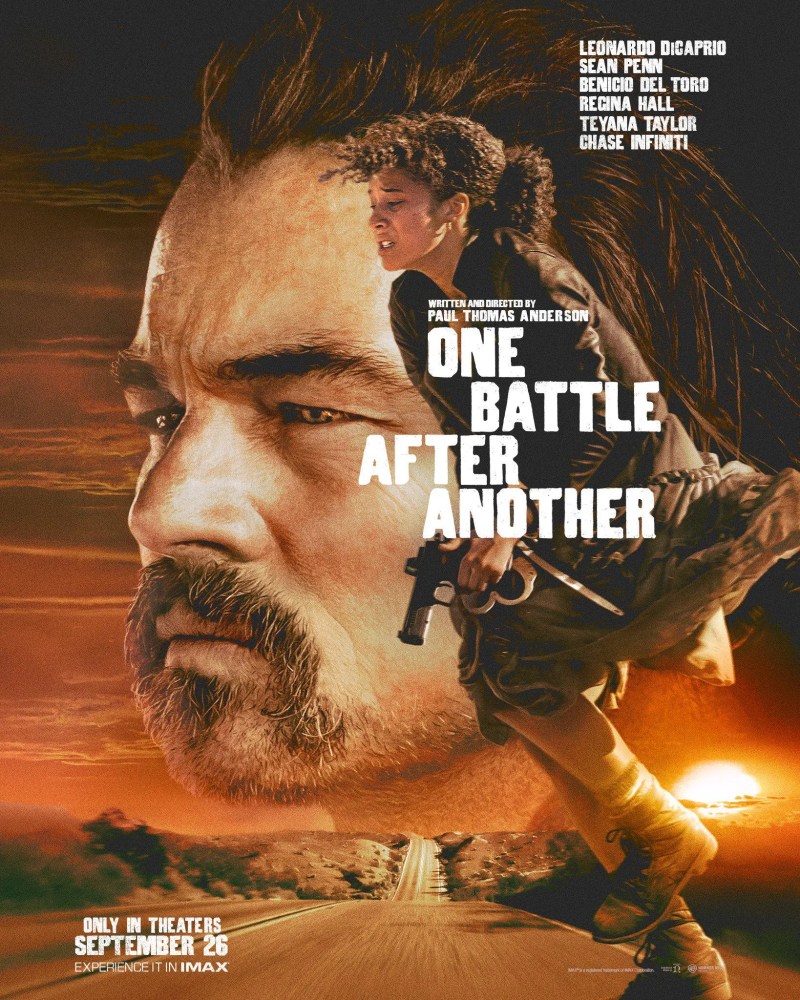
The Complete Overview of One Battle After Another
At its core, One Battle After Another is a hardcore survival shooter that strips away the padding of traditional battle royales and PvP games. Developed by a team with military simulation experience, it’s designed to immerse players in the psychological and physical toll of prolonged combat. Unlike games where you can heal mid-fight or revive teammates, OBAA forces you to adapt—fast. Movement is tactical, not flashy; every step is a gamble. The game’s minimalist UI ensures you’re never distracted from the fight, and the lack of HUD clutter means your focus stays on the enemy, not the screen.The game’s single-player and co-op modes are built around persistent progression, but the real challenge lies in its endless survival loops. You don’t just fight one battle; you fight until you can’t fight anymore. The one battle after another structure isn’t just a mechanic—it’s a test of endurance. Whether you’re playing solo or with a squad, the game’s design ensures that every match is a gauntlet. There’s no "next level" to grind; there’s only the next fight, and the next, and the next. This relentless pace is both the game’s greatest strength and its most polarizing feature.
Historical Background and Evolution
One Battle After Another emerged from a growing disillusionment with the modern battle royale formula. While games like PUBG and Fortnite prioritized accessibility and spectacle, developers behind OBAA sought to recreate the raw, unfiltered tension of real-world combat scenarios. Drawing inspiration from military training simulations and hardcore survival games like Escape from Tarkov, the team aimed to create an experience where skill, not luck, determined survival. The result is a game that feels like a digital boot camp, where every player is both soldier and strategist.The game’s evolution reflects a broader shift in gaming culture—one where players increasingly crave authenticity over abstraction. The one battle after another model isn’t just about longevity; it’s about mental and physical stamina. Early access feedback highlighted two key demands: no respawns and no hand-holding. The developers delivered. The game’s iterative updates have refined its mechanics, but the core philosophy remains unchanged: you fight until you drop, and then you start over. This isn’t just a game; it’s a survivalist’s trial by fire.
Core Mechanics: How It Works
The game’s mechanics are designed to punish hesitation and reward precision. Movement is weighty, not fluid—every sprint drains stamina, and every shot must be calculated. The weapon systems are realistic to a fault: recoil matters, ammo is scarce, and headshots are the only way to drop enemies quickly. Unlike traditional shooters, OBAA doesn’t let you spam abilities or rely on hit-scan accuracy. Bullets travel at realistic speeds, and cover isn’t just decorative—it’s essential.The one battle after another structure is enforced through dynamic matchmaking. You don’t play a set number of rounds; you play until the server’s last player stands. This creates a high-stakes endurance match, where fatigue becomes a weapon as much as your gun. The game’s lack of a traditional "win condition" forces players to adapt—scavenging for supplies, ambushing enemies, or holding positions until reinforcements (or reinforcements for you) arrive. It’s less about winning and more about outlasting everyone else.
Key Benefits and Crucial Impact
Few games demand as much from their players as One Battle After Another. Its uncompromising design isn’t just a gimmick—it’s a cultural reset for survival shooters. In an era where games often prioritize engagement metrics over player skill, OBAA forces you to earn every victory. This isn’t a game you can "git gud" at in a weekend; it’s a game that will break you before it builds you. For players who thrive under pressure, the rewards are immense: unmatched tactical depth, relentless adrenaline, and a sense of accomplishment that traditional shooters can’t replicate.The game’s impact extends beyond gameplay. It challenges players to confront their own limits—not just in terms of skill, but in terms of mental resilience. The one battle after another philosophy isn’t just about combat; it’s about endurance. Whether you’re playing solo or in a squad, the game tests your ability to stay calm under fire, adapt to changing circumstances, and push through when every instinct screams to retreat. This is survival gaming as it should be: brutal, unyielding, and unforgiving.
"One Battle After Another isn’t just a game—it’s a war of attrition. The moment you stop fighting is the moment you lose. And in this game, there are no second chances." — Lead Developer, [Anonymized Studio]
Major Advantages
- Unmatched Realism: Weapon mechanics, bullet physics, and movement systems are designed to feel authentic to military simulations, not arcade shooters. Every shot counts.
- No Respawns, No Excuses: The one battle after another model ensures that death is permanent, forcing players to play smarter, not harder.
- Tactical Depth Over Spectacle: Unlike battle royales with flashy abilities, OBAA rewards positioning, teamwork, and adaptability—not just aim.
- Persistent Progression with a Cost: Unlocking new gear or perks requires surviving multiple battles, making every fight a high-stakes gamble.
- Endless Variety in Combat: From urban skirmishes to open-field ambushes, the game’s dynamic matchmaking ensures no two battles are the same.

Comparative Analysis
While One Battle After Another shares DNA with other survival shooters, its ruthless endurance model sets it apart. Below is a direct comparison with similar titles:| Feature | One Battle After Another | Escape from Tarkov | *H1Z1 (King of the Kill) |
|---|---|---|---|
| Respawns | None (permanent death) | None (permanent death) | Yes (limited respawns) |
| Match Structure | Endless until last player stands | Fixed rounds with objectives | Fixed rounds with safe zones |
| Weapon Realism | High (recoil, ammo management) | Extreme (gear degradation) | Moderate (hit-scan dominant) |
| Progression System | Unlocks tied to survival | Loot-based, slow grind | Cosmetic-focused |
Future Trends and Innovations
The one battle after another model isn’t just a niche experiment—it’s a blueprint for the future of hardcore survival gaming. As players grow weary of games that prioritize spectacle over skill, developers are increasingly turning to endurance-based designs. Expect to see more titles adopt OBAA’s philosophy: no respawns, no safe zones, just relentless combat. The trend toward authenticity in gaming will only accelerate, with games like OBAA leading the charge.Innovations in procedural battlefields and AI-driven enemy behavior could further elevate the genre. Imagine a game where terrain shifts mid-match, or where enemies learn from your tactics. One Battle After Another’s success proves that players aren’t just willing to endure—they crave it. The next evolution of survival gaming won’t be about making death easier; it’ll be about making survival harder.

Conclusion
One Battle After Another isn’t a game for the faint of heart. It’s a digital crucible, designed to push players to their limits and beyond. The one battle after another review isn’t just about whether it’s "good"—it’s about whether you’re strong enough to handle it. For those who do, the rewards are unparalleled: tactical mastery, unmatched adrenaline, and a sense of accomplishment that few games can match.Yet, its brutality is also its greatest weakness. Not everyone will thrive under OBAA’s unrelenting pressure. But for the players who embrace the challenge, it offers something rare in gaming today: a test of true skill, not just reflexes. In a world of polished, risk-averse shooters, One Battle After Another stands as a defiant reminder that survival isn’t about winning—it’s about lasting long enough to fight another day.
Comprehensive FAQs
Q: Is One Battle After Another worth the hype if I’m new to hardcore shooters?
A: Only if you’re prepared for a steep learning curve and high frustration levels. The game’s no-respawn model means your first few matches will likely end in quick defeats. If you thrive under pressure and enjoy tactical shooters like Tarkov, it’s worth the grind. If you prefer forgiving games, look elsewhere.
Q: Can I play OBAA with friends, or is it a solo experience?
A: The game supports squad-based play (up to 4 players), but coordination is essential—unlike traditional shooters, there’s no reviving teammates or healing mid-fight. Communication and teamwork are non-negotiable for survival.
Q: How does the one battle after another model affect matchmaking?
A: Matches don’t end until one player remains, meaning you’ll face varying player counts as others drop. This creates chaotic, unpredictable battles where positioning and adaptability are key. Unlike fixed-round games, OBAA ensures no two matches are identical.
Q: Are there any cheats or exploits that can give me an edge?
A: The game’s anti-cheat measures are strict, and exploits are quickly patched. However, gear progression and positioning are the only legitimate ways to gain an advantage. Cheating isn’t just against the rules—it ruins the experience for everyone in a match.
Q: What makes OBAA different from Escape from Tarkov?
A: While Tarkov focuses on loot and gear progression, OBAA prioritizes pure endurance combat. Tarkov has respawns (via extract), while OBAA has none. Tarkov’s matches are objective-based; OBAA’s are until-death-do-us-part. If you love Tarkov’s realism but want even more punishment, OBAA is the next step.
Q: Will One Battle After Another ever add co-op missions or story modes?
A: As of now, the game’s endurance-focused design suggests no traditional campaign. However, developer statements hint at potential "survival challenges" in future updates—think scenario-based matches where objectives exist but the core one battle after another structure remains intact.
Q: How does OBAA handle toxic players?
A: The game’s reporting system is active, but its permanent death model means toxic behavior is self-regulating—players who grief will quickly die and be replaced. However, squad play mitigates this by allowing trusted friends to filter out bad players.
Q: Can I play OBAA on console, or is it PC-only?
A: Currently, the game is PC-exclusive, with no confirmed console ports. The keyboard/mouse precision is a core part of its design, making controller support unlikely without significant changes.
Q: What’s the biggest misconception about One Battle After Another?
A: Many assume it’s just a "harder PUBG", but it’s fundamentally different. PUBG has respawns, safe zones, and a structured win condition. OBAA is pure survival—no quarter given, no quarter asked. It’s not about winning; it’s about lasting.
Leave a Comment
Comments are moderated before appearing. The data you submit is processed according to the Privacy Policy of Sentry.