Pieter Bruegel the Elder Mastering Flanders Renaissance Art
Table of Contents
- Pieter Bruegel the Elder: Life and Historical Context in 16th-Century Flanders
- Biographical Timeline and Historical Debates
- Flanders as a Renaissance and Reformation Crossroads
- Artistic Style and Innovations: Breaking from Tradition
- Genre Scenes: Elevating the Mundane to Moral Canvases
- Landscape Integration: From Background to Narrative Core
- Symbolism and Allegory: Encoding Moral and Political Messages
- Comparison Table: Bruegel vs. Bosch and Bosch-Inspired Artists
- Major Themes in Bruegel’s Work: Peasants, Morality, and the Human Condition
- Peasant Life: Labor, Leisure, and Social Hierarchies in Bruegel’s Series
- Moral and Proverbial Themes: Visual Sermons in a Post-Reformation World
- Seasonal and Proverbial Cycles: Agriculture, Folklore, and the Passage of Time
- Religious and Mythological Works: Bridging Sacred and Secular in Bruegel’s Vision
- Reinterpreting Biblical Stories Through Humanist and Moralistic Lenses
- Transforming Classical and Apocalyptic Themes into Accessible Narratives
- Collaborations with Engravers and the Dissemination of Bruegel’s Ideas
- Lost or Attributed Works: Speculating on Bruegel’s Unfinished Narratives
- Humor and Irony in Sacred Subjects: Challenging Devotional Conventions
- Legacy and Influence: Bruegel’s Impact on Art and Culture
- Direct Influence on Flemish and Baroque Artists
- Indirect Influence: Bruegel’s Global Resonance
- Reception in the 17th–19th Centuries: Rediscovery and National Identity
- Bruegel in Literature, Music, and Film
- Modern Reinterpretations: From Contemporary Art to Internet Culture Deep Dives: Lesser-Known Works and Technical Mastery Pieter Bruegel the Elder’s reputation as a master of panoramic landscapes and peasant life often overshadows the intricacy of his lesser-known works, which reveal his versatility and technical brilliance. Beyond iconic compositions like The Tower of Babel or The Peasant Wedding , Bruegel crafted paintings that blend historical narrative, religious allegory, and meticulous observational detail. These understudied pieces—such as The Census at Bethlehem (c. 1566) and The Massacre of the Innocents (c. 1567)—demonstrate his ability to merge sacred themes with everyday realism, while technical analyses expose the depth of his preparatory process. From pigment choices to underdrawings, Bruegel’s methods reflect both contemporary artistic innovations and personal experimentation, offering a window into the mind of a painter who treated every brushstroke as a narrative device. Technical Mastery in The Census at Bethlehem : Composition and Symbolism
- Scientific Analysis: Underdrawings and Material Innovations
- Color Theory and Contemporary Influences
- Analyzing Hidden Details: A Step-by-Step Guide Using The Tower of Babel
Few artists have captured the soul of 16th-century Europe like Pieter Bruegel the Elder, whose vivid depictions of peasant life, moral allegories, and sweeping landscapes redefined visual storytelling. Born in the Netherlands around 1525, Bruegel’s journey from obscurity to becoming the court painter of Habsburg emperors reflects a turbulent era where religious upheaval, scientific curiosity, and artistic innovation collided. His works, teeming with intricate details and layered symbolism, transcended mere illustration to become timeless commentaries on humanity’s triumphs, follies, and enduring struggles.
The son of a brewer, Bruegel’s early training under lesser-known Flemish masters laid the groundwork for his revolutionary approach, but it was his relocation to Brussels in 1551 that propelled him into the heart of Renaissance Flanders. Here, he navigated a world shaped by the Protestant Reformation’s seismic shifts, the Catholic Counter-Reformation’s fervor, and the opulence of the Habsburg court under Charles V and Philip II. Unlike his contemporaries fixated on religious iconography or mythological grandeur, Bruegel turned his gaze to the mundane—the plowman’s toil, the peasant’s revelry, the child’s game—elevating them to universal truths. His canvases became moral mirrors, where every brushstroke carried weight, and every figure, no matter how humble, became a vessel for deeper meaning.
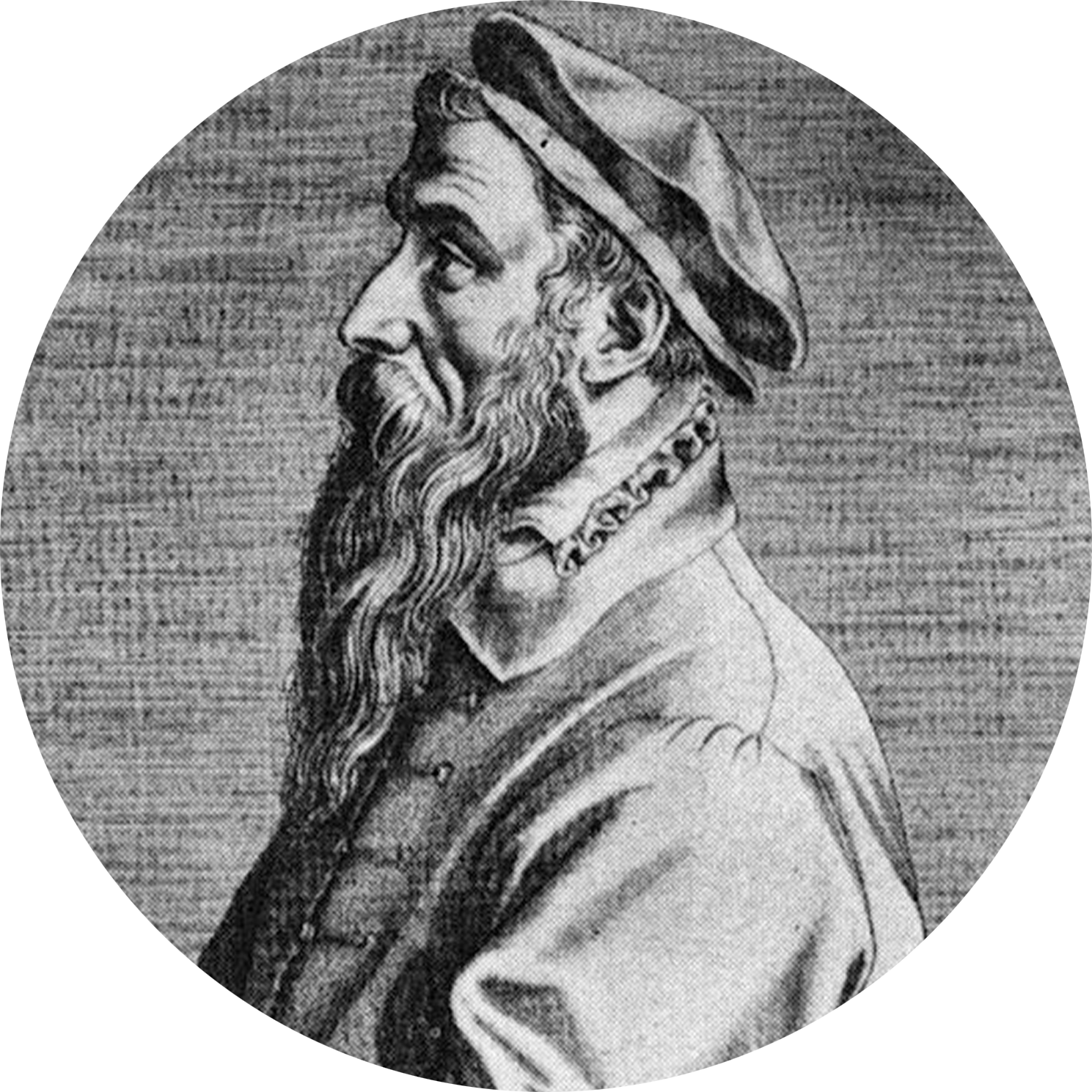
Pieter Bruegel the Elder: Life and Historical Context in 16th-Century Flanders

Pieter Bruegel the Elder (c. 1525–1569) remains one of the most enigmatic yet influential figures of Northern Renaissance art, his life intertwined with the turbulent political, religious, and cultural shifts of 16th-century Europe. While his works—peasant scenes, allegorical landscapes, and vibrant festivals—continue to captivate audiences, the documented facts of his biography are sparse, leaving historians to piece together his story from surviving letters, inventories, and artistic signatures. Bruegel’s relocation from the Netherlands to Brussels marked a pivotal transition, positioning him at the heart of the Habsburg court’s artistic patronage while exposing him to the intellectual ferment of the Reformation and Counter-Reformation. His interactions with contemporaries like Hieronymus Bosch and Jan van Scorel further shaped his unique visual language, blending folk traditions with Renaissance humanism.
The historical context of Bruegel’s era was defined by Flanders’ status as a crossroads of trade, religion, and artistic innovation. As part of the prosperous Seventeen Provinces under Habsburg rule, the region thrived as a commercial powerhouse, its cities—Antwerp, Bruges, and Ghent—teeming with merchants, bankers, and artisans. This economic vitality fostered a vibrant cultural scene, where art served as both a luxury commodity and a vehicle for ideological expression. The Protestant Reformation, ignited by Martin Luther’s 1517 theses, fractured Europe along confessional lines, while the Catholic Counter-Reformation, spearheaded by the Council of Trent (1545–1563), sought to reclaim artistic and theological dominance. Bruegel’s works reflect this duality: his The Fall of the Rebel Angels (1562) and The Triumph of Death (c. 1562) embody the moral anxieties of a society grappling with heresy and divine justice, while his peasant landscapes celebrate the resilience of rural life amid urban upheaval.

Biographical Timeline and Historical Debates
Bruegel’s exact birthdate remains uncertain, with estimates ranging from 1525 to 1530 in Breugel (now Breughel), a small village near Breda in the Duchy of Brabant. Early records suggest he was the son of a miller, Pieter Bruegel the Elder’s father, and Mayken Coecke van Aelst, whose family included the painter Pieter Coecke van Aelst—a connection that likely facilitated Bruegel’s artistic training. By 1551, he had relocated to Antwerp, where he was registered as a pupil in the workshop of Pieter Coecke van Aelst, though some scholars argue he may have also studied under Hieronymus Bosch or Jan Mandyn, a follower of Bosch. His early works, such as The Magpie on the Gallows (1553), reveal Bosch’s influence in their grotesque, symbolic imagery, yet Bruegel’s style soon evolved toward a more naturalistic and expansive composition.
The most contentious period in Bruegel’s biography is his move to Brussels in 1563, where he became a court painter to Emperor Ferdinand I and later Archduke Ferdinand of Austria. Historians debate whether this relocation was driven by artistic ambition, political patronage, or personal circumstances. Some suggest he fled Antwerp’s religious tensions following the 1566 Iconoclastic Fury, a wave of Protestant-led destruction of Catholic imagery, though no direct evidence links him to the violence. Others propose that his marriage to Mayken van Aelst in 1563 and the birth of his children motivated his shift to Brussels, where the Habsburg court offered stability and commissions. Bruegel’s death in 1569, at age 44, is similarly shrouded in ambiguity; contemporary accounts attribute it to the plague, though some speculate he may have perished in the Brussels riots of that year, which pitted Calvinists against Catholics.
| Year | Event | Historical Context | Bruegel’s Known Activities |
|---|---|---|---|
| c. 1525–1530 | Birth in Breugel, Duchy of Brabant | Flanders under Habsburg rule; economic prosperity in Brabant’s textile and trade industries. Peasant life dominated by feudal obligations and seasonal labor. | Son of miller Pieter Bruegel and Mayken Coecke van Aelst; early exposure to rural and artisan cultures. |
| 1551 | Apprenticeship in Antwerp under Pieter Coecke van Aelst | Antwerp’s Golden Age as a center of Renaissance art and humanism; Erasmus and More’s intellectual legacy influential. Reformation debates intensify. | Trains in oil painting and iconography; likely influenced by Bosch’s works in Coecke’s collection. |
| 1553 | Creation of The Magpie on the Gallows | Post-Tridentine reforms begin reshaping Catholic art; Protestant iconoclasm grows in Northern Europe. | Early mature work showcasing Boschian symbolism; signs contract as a master painter in Antwerp’s Guild of St. Luke. |
| 1559 | Marriage to Mayken van Aelst | Peace of Augsburg (1555) temporarily stabilizes religious divisions, but tensions persist in Flanders. | Marries into a family of artists and humanists; begins producing large-scale peasant scenes (The Harvesters, 1565). |
| 1563 | Relocation to Brussels; appointed court painter to Archduke Ferdinand | Habsburg Netherlands under Philip II; Counter-Reformation policies tighten Catholic control. Brussels emerges as a cultural capital. | Commissions include allegorical works (The Fall of the Rebel Angels) and landscapes; interacts with humanist circles. |
| 1566 | Iconoclastic Fury in the Netherlands | Protestant revolt against Catholic imagery; destruction of churches and artworks in Flanders. | Bruegel’s whereabouts unclear; possible indirect impact on his thematic focus on rural resilience. |
| 1569 | Death in Brussels, aged ~44 | Eighty Years’ War begins; Brussels riots between Catholics and Calvinists. Plague ravages the city. | Final works include The Parable of the Blind (1568); posthumous reputation grows through engravings by his sons. |
Flanders as a Renaissance and Reformation Crossroads
Bruegel’s career unfolded against the backdrop of Flanders’ dual identity as a bastion of Renaissance humanism and a battleground for religious reform. The region’s artistic scene was shaped by the confluence of Italian Renaissance techniques—perspective, anatomy, and mythological themes—and Northern traditions of detailed realism and symbolic storytelling. Antwerp, in particular, served as a magnet for artists, scholars, and merchants, its bourse financing voyages to the New World while its workshops produced works that blended classical ideals with local vernacular. The Protestant Reformation disrupted this equilibrium, as Luther’s call for scriptural authority led to the rejection of traditional iconography. In response, the Catholic Church’s Counter-Reformation sought to reclaim art as a tool for doctrinal reinforcement, as exemplified by the Council of Trent’s 1563 decree on "decorum," which emphasized clarity and moral edification in religious imagery.
Bruegel’s works straddle this ideological divide. His The Tower of Babel (1563), for instance, critiques human hubris through a universalist lens, aligning with Erasmus’ In Praise of Folly (1511) and the humanist tradition of moralizing satire. Yet his The Triumph of Death (c. 1562) reflects the Counter-Reformation’s preoccupation with divine retribution, a theme echoed in contemporary works by Italian artists like Pieter Paul Rubens. The ambiguity of Bruegel’s religious affiliations—he was neither openly Protestant nor a devout Catholic—allowed him to navigate these tensions. His patrons, including the Habsburgs, valued his ability to produce works that avoided overt sectarianism while addressing universal themes of labor, morality, and nature.
Artistic Style and Innovations: Breaking from Tradition
Pieter Bruegel the Elder’s artistic revolution lay in his radical departure from the dominant themes of 16th-century European art, where religious iconography and mythological narratives dominated canvases. While contemporaries like Titian and Raphael served the patronage of churches and aristocracy with allegorical or sacred subjects, Bruegel turned his gaze toward the mundane, the earthly, and the unidealized. His genre scenes—depictions of peasant life, seasonal cycles, and communal labor—were not merely illustrations of daily existence but intricate tapestries of human behavior, social dynamics, and moral commentary. This shift reflected a broader cultural movement in Flanders, where the burgeoning merchant class sought art that resonated with their lived experiences rather than divine or aristocratic ideals. Bruegel’s innovations extended beyond subject matter to technique, particularly in his integration of landscape and the use of optical realism, which transformed the visual language of Northern Renaissance art.
Genre Scenes: Elevating the Mundane to Moral Canvases
Bruegel’s genre scenes dismantled the hierarchical structures of Renaissance art, where religious and mythological subjects held primacy. Works like The Peasant Wedding (c. 1567) and The Harvesters (c. 1565) depicted labor, celebration, and communal life with an unprecedented level of detail and humanity. Unlike the idealized figures of Titian’s Bacchanal of the Andrians or the allegorical moralizing of Bosch’s The Ship of Fools, Bruegel’s peasants were neither saints nor sinners but complex individuals caught in the rhythms of survival. In The Peasant Wedding, for instance, the chaotic energy of a rural nuptial feast—replete with drunken revelry, brawls, and domestic squabbles—served as a microcosm of societal tensions. The absence of divine intervention or moral judgment in these scenes forced viewers to confront the raw, unfiltered reality of human nature.
Bruegel’s approach was not merely observational but deeply analytical. His genre scenes often functioned as moral emblems, where everyday activities carried layered meanings. The Harvesters, for example, captures the backbreaking toil of rural laborers under a vast, brooding sky, symbolizing both the cyclical nature of life and the relentless struggle for subsistence. The inclusion of a skeleton in the foreground—a memento mori—reminds viewers of the fragility of human existence, while the meticulous rendering of tools and gestures underscores the dignity of manual labor. This fusion of the ordinary with the philosophical distinguished Bruegel’s work from the didactic allegories of his contemporaries, offering instead a phenomenological exploration of the human condition.
Landscape Integration: From Background to Narrative Core
While earlier Netherlandish artists like Joachim Patinir had pioneered landscape as a standalone genre, Bruegel revolutionized its role by weaving it seamlessly into narrative compositions. Patinir’s St. Jerome in His Study (c. 1520s) treated landscape as a mystical, almost otherworldly backdrop, divorced from the human figures. In contrast, Bruegel’s landscapes in works like The Fall of the Rebel Angels (c. 1562) and Hunters in the Snow (c. 1565) became active participants in the story, shaping mood, symbolism, and even moral tone.
Bruegel’s landscapes were not merely scenic but functional, often serving as extensions of human activity. In Hunters in the Snow, the frozen river and snow-covered village are not passive settings but integral to the narrative of seasonal hardship and communal resilience. His use of atmospheric perspective—where distant elements fade into a hazy blue-gray—created depth while reinforcing the vastness of nature relative to human endeavors. This technique, honed through studies of optics and geometry, allowed Bruegel to convey both the grandeur and the insignificance of humanity in the face of natural forces.
Italian Renaissance masters like Titian had also explored landscape, but their approach differed markedly. Titian’s The Bacchanal of the Andrians (c. 1518) used landscape as a lush, sensuous backdrop to mythological revelry, emphasizing sensuality and decadence. Bruegel, however, infused his landscapes with Flemish realism, where weather, terrain, and even the quality of light reflected the harsh realities of life in the Low Countries. His landscapes were not idyllic but topographically accurate, often depicting the rugged, rain-lashed terrain of the Ardennes or the flat, windswept polders of Flanders. This fidelity to place not only grounded his narratives but also reflected a growing interest in scientific observation among Northern artists.
Symbolism and Allegory: Encoding Moral and Political Messages
Bruegel’s genius lay in his ability to embed complex philosophical and political messages within seemingly straightforward compositions. Works like The Tower of Babel (c. 1563) and The Fall of the Rebel Angels transcended their religious or mythological sources to deliver critiques of human folly, hubris, and societal fragmentation. In The Tower of Babel, the chaotic construction of the tower—with its tangle of languages, collapsed scaffolding, and panicked figures—serves as a satirical commentary on the dangers of unchecked ambition and linguistic division. The scene’s frenetic energy contrasts with the serene, orderly world of the fallen angels in The Fall of the Rebel Angels, where the rebellion’s futility is underscored by the angels’ graceful descent into a desolate, storm-wracked landscape.
Bruegel’s symbolism was often multi-layered, requiring viewers to decode visual puns and allegorical references. For example, in The Peasant Dance (c. 1567), the central couple’s embrace is framed by a maypole, a traditional symbol of fertility, but the surrounding figures—some drunk, others brawling—suggest the potential for chaos beneath the veneer of celebration. The inclusion of a proverbial figure (a man carrying a barrel labeled with a proverb) in the foreground invites viewers to reflect on the moral lessons embedded in the scene. Similarly, The Blind Leading the Blind (c. 1568) presents a procession of figures stumbling blindfolded, a direct allegory for the dangers of misplaced authority and collective delusion.
Bruegel’s allegories were not abstract but tactile, rooted in the physicality of his characters and their environments. His use of visual metaphors—such as the inverted world of The Parable of the Blind or the inverted tower in The Tower of Babel—reinforced his messages with immediate, almost tactile clarity. Unlike Bosch, whose symbolism often relied on grotesque fantasy and esoteric references, Bruegel’s allegories were grounded in observable reality, making his critiques accessible yet profound.
Comparison Table: Bruegel vs. Bosch and Bosch-Inspired Artists
Bruegel’s relationship with Hieronymus Bosch—his predecessor in Flemish art—was one of both homage and departure. While Bosch’s works teemed with surreal, fantastical creatures and moralizing narratives, Bruegel anchored his compositions in the tangible world. Below is a structured comparison of three key works, highlighting differences in symbolism, composition, and thematic focus:
| Aspect | Pieter Bruegel the Elder: The Fall of the Rebel Angels (c. 1562) | Hieronymus Bosch: The Fall of the Damned (c. 1500–1505) | Bosch-Inspired: Pieter van Coninxloo: The Temptation of St. Anthony (c. 1590) | ||||||||||||||||||||||||||||||||||||||||||
|---|---|---|---|---|---|---|---|---|---|---|---|---|---|---|---|---|---|---|---|---|---|---|---|---|---|---|---|---|---|---|---|---|---|---|---|---|---|---|---|---|---|---|---|---|---|
| Primary Symbolism | Futility of rebellion against divine order; moral consequences of pride and disobedience. The stormy landscape symbolizes chaos and isolation. | Eternal damnation and the torments of hell; grotesque punishments for sin. Surreal creatures represent moral corruption. | Temptation and spiritual corruption; fantastical beasts symbolize carnal desires and worldly distractions. | ||||||||||||||||||||||||||||||||||||||||||
| Compositional Structure | Diagonal composition guiding the eye toward the fallen angels’ descent; balanced with a serene, orderly landscape below. | Complex, labyrinthine arrangement with multiple narrative layers; hellish landscape dominates the scene. | Centralized around St. Anthony, with surrounding temptations radiating outward in a chaotic, swirling pattern. | ||||||||||||||||||||||||||||||||||||||||||
| Thematic Focus | Human frailty
Major Themes in Bruegel’s Work: Peasants, Morality, and the Human ConditionPieter Bruegel the Elder’s mastery lies not only in his technical brilliance but in his profound engagement with the lives, struggles, and cultural fabric of 16th-century Flanders. His works transcend mere documentation of rural existence, serving as a mirror to societal values, moral dilemmas, and the cyclical rhythms of life. Bruegel’s peasant series, moral allegories, and seasonal cycles offer a layered exploration of humanity—where labor and leisure coexist, folly and wisdom intertwine, and the passage of time is both celebrated and critiqued. Through these themes, he positioned himself as a chronicler of the human condition, blending observational realism with allegorical depth that resonated across social strata.Peasant Life: Labor, Leisure, and Social Hierarchies in Bruegel’s SeriesBruegel’s depictions of peasant life in The Peasant Dance (c. 1568), The Peasant Wedding (c. 1568), and The Return of the Herd (c. 1565) present a world where work and revelry are inextricably linked, yet each scene reveals subtle hierarchies and unspoken tensions. Unlike idealized portrayals of rural life in contemporary literature or art—where peasants were often caricatured as either noble savages or lazy fools—Bruegel’s peasants are complex, multifaceted figures. Their labor is depicted with a gritty realism, from the arduous task of herding cattle in The Return of the Herd to the communal toil implied in the background of The Peasant Wedding. Yet, his focus on leisure, particularly in The Peasant Dance, challenges the notion that rural existence was solely one of toil. The scene is a chaotic yet harmonious tableau of drinking, music, and flirtation, where social boundaries blur temporarily, and the viewer is invited to observe rather than judge. The peasants’ clothing, gestures, and interactions reflect a society where class distinctions persisted even in moments of communal celebration. For instance, the central figure in The Peasant Dance—a woman playing the tambourine—stands out not just for her role but for her confident posture, suggesting a form of informal leadership. Meanwhile, the background teems with details that hint at the hardships of their lives: a couple embracing in the shadows, a man falling asleep against a tree, and the ever-present threat of violence or moral decay. Bruegel’s genius lies in his ability to capture these nuances without overt moralizing, allowing the viewer to infer the complexities of peasant existence."Bruegel’s peasants are not objects of pity or ridicule; they are participants in a shared humanity, their lives a microcosm of universal experiences—joy, labor, folly, and resilience. His canvases function as social documents, where every gesture and object carries layers of meaning, inviting contemplation rather than condemnation." — Laura Cumming, Bruegel: Painter and Conceptor Moral and Proverbial Themes: Visual Sermons in a Post-Reformation WorldBruegel’s moral and proverbial works, such as The Blind Leading the Blind (1568) and The Parable of the Blind (1568), functioned as visual sermons, embodying the moral and religious tensions of post-Reformation Europe. These paintings were not mere illustrations of biblical parables but intricate commentaries on human folly, hypocrisy, and the dangers of unchecked authority. The Blind Leading the Blind, for example, is a direct adaptation of Christ’s parable (Matthew 15:14), but Bruegel’s interpretation extends beyond the religious narrative. The scene depicts a group of blind figures stumbling over a cliff, their interdependence both tragic and absurd. The painting’s power lies in its universality—it critiques not just religious leaders but any figure of authority who leads others astray through ignorance or arrogance. In The Parable of the Blind, Bruegel amplifies the theme by introducing a more complex dynamic: the blind are not merely falling but actively engaging in destructive behavior, such as a figure kicking another over the edge. This addition transforms the parable into a broader commentary on societal collapse, where collective blindness leads to self-destruction. Such works were particularly resonant in a time when the Catholic Church’s authority was being challenged by the Protestant Reformation. Bruegel’s moral allegories served as cautionary tales, urging viewers to question dogma and reflect on the consequences of uncritical adherence to tradition. The proverbial nature of these works also aligned with the moralia tradition, a genre of didactic literature and art that flourished in the Netherlands. Bruegel’s paintings often included proverbs or sayings, such as the inclusion of "Like a dog returning to its vomit" in The Blind Leading the Blind, reinforcing their didactic purpose. These works were not just decorative but functional, intended to provoke thought and moral reflection in an era where religious and intellectual upheaval demanded new forms of visual communication.Seasonal and Proverbial Cycles: Agriculture, Folklore, and the Passage of TimeBruegel’s seasonal cycles, most notably The Twelve Months (c. 1565–1568) and The Blue Cloak (c. 1565), offer a comprehensive portrait of rural life as a series of interconnected, cyclical experiences. These works are not just depictions of agricultural labor but encyclopedic explorations of how time, climate, and human activity shape existence. Each month in The Twelve Months is a distinct vignette, yet collectively, they form a narrative of renewal, struggle, and celebration. For instance, January shows peasants huddled around a fire, their breath visible in the cold, while July depicts a lush landscape teeming with activity—reaping, harvesting, and communal feasting. The series reflects the rhythms of nature and the labor-intensive lifestyle of peasants, where survival depended on an intimate understanding of seasonal changes. The inclusion of proverbs and folk wisdom in these cycles further enriches their meaning. The Blue Cloak, for example, is a visual compendium of proverbs, where each figure embodies a different saying—such as "A rolling stone gathers no moss" or "Many hands make light work." Bruegel’s integration of these proverbs into the fabric of daily life underscores the collective wisdom of the peasantry, positioning their knowledge as both practical and moral. The cycles also serve as a counterpoint to the urban, often transient world of the elite, grounding the viewer in the timelessness of rural traditions.
|
Leave a Comment
Comments are moderated before appearing. The data you submit is processed according to the Privacy Policy of Vetlife Archive.