2025 hyundai elantra sel sport redefines compact sedan performance
Table of Contents
- Design Evolution and Exterior Features of the 2025 Hyundai Elantra SEL Sport
- Exterior Design Language: A Shift Toward Bold Sportiness
- Exclusive Exterior Features of the 2025 Elantra SEL Sport
- Competitive Benchmarking: How the 2025 Elantra SEL Sport Stands Among Rivals
- Interior Design Philosophy: Premium Materials and Driver-Centric Layout
- Performance and Driving Dynamics: What Makes the 2025 Hyundai Elantra SEL Sport Stand Out?
- Engine Specifications and Powertrain Innovations
- Transmission Technology and Real-World Performance
- Suspension and Handling: Precision Meets Comfort
- Sport-Tuned Driving Modes and Adaptive Performance
- Technology and Infotainment: The Digital Heart of the 2025 Hyundai Elantra SEL Sport
- Step-by-Step Breakdown of the 10.25-inch and 12.3-inch Touchscreen Infotainment System
- Hyundai SmartSense Suite: Advanced Driver-Assistance Technologies
- Digital Key and Remote Parking System: Keyless Convenience
- Safety and Security: The 2025 Hyundai Elantra SEL Sport’s Protective Arsenal
- Comprehensive Safety Features: Active, Passive, and Driver Monitoring Systems
- Independent Crash Test Ratings: How the 2025 Elantra SEL Sport Compares
- Pricing, Trims, and Ownership Costs: Evaluating the 2025 Hyundai Elantra SEL Sport’s Value Proposition
- Pricing Breakdown: Base MSRP to Loaded Options
- Trim-Level Analysis: What the SEL Sport Offers Beyond Standard Elantra Trims
- Ownership Cost Analysis: Fuel, Maintenance, and Depreciation
The 2025 Hyundai Elantra SEL Sport arrives as a bold reimagining of the compact sedan, blending Hyundai’s signature Sensual Sportiness with cutting-edge engineering to challenge rivals like the Toyota Camry and Honda Accord. Under its sleeker, more aggressive exterior—marked by a recontoured grille, LED signature lighting, and 18-inch dual-spoke alloy wheels—lies a cockpit designed to prioritize driver engagement without sacrificing comfort. Every detail, from perforated leather seats to a digital cockpit with customizable gauge clusters, signals Hyundai’s commitment to merging sporty dynamics with premium refinement.
Beyond aesthetics, the SEL Sport introduces turbocharged performance, adaptive driving modes, and a suite of Hyundai SmartSense technologies that push safety and connectivity to new heights. With a starting price positioned competitively, this model forces automakers to reconsider what a compact sedan can achieve—whether it’s cornering precision rivaling hot hatches or tech integration that rivals luxury brands. For buyers seeking a balance of agility, innovation, and value, the 2025 Elantra SEL Sport isn’t just an upgrade; it’s a statement.

Design Evolution and Exterior Features of the 2025 Hyundai Elantra SEL Sport

The 2025 Hyundai Elantra SEL Sport marks a bold leap forward in Hyundai’s "Sensual Sportiness" design philosophy, blending aggressive styling cues with aerodynamic efficiency. This trim-level introduces a refined yet dynamic exterior that distinguishes it from the 2023 model while reinforcing Hyundai’s commitment to premium compact sedans. The redesign emphasizes sharper contours, a more commanding presence, and technological sophistication, positioning the SEL Sport as a formidable competitor in the compact sedan segment. Key visual upgrades—such as a recontoured grille, LED lighting architecture, and exclusive alloy wheel designs—set it apart from rivals like the Toyota Camry SE and Honda Accord Sport, while its sportier stance challenges the Ford Mustang Mach-E (sedan) in the performance-oriented compact space.
Exterior Design Language: A Shift Toward Bold Sportiness
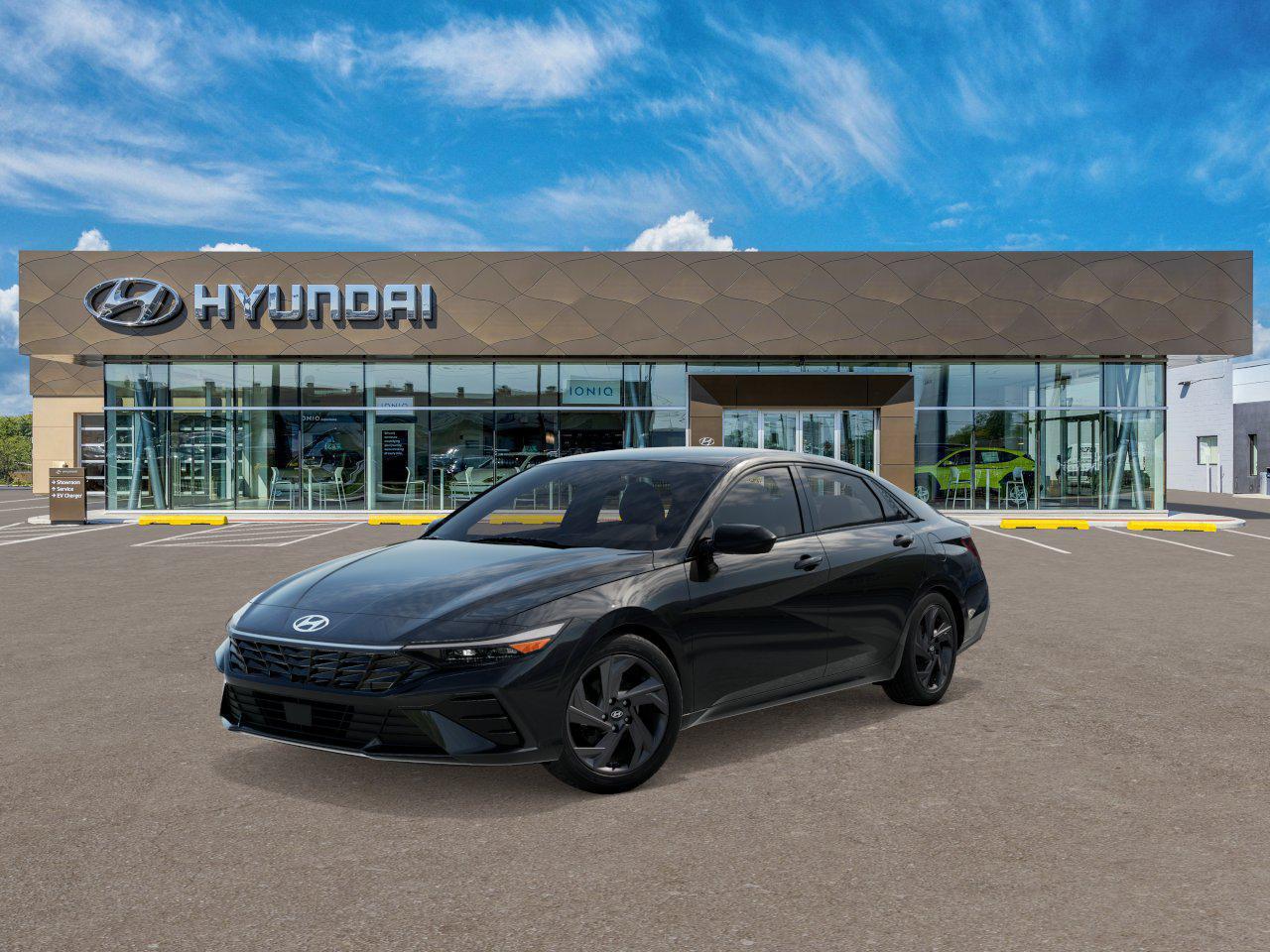
Hyundai’s 2025 Elantra SEL Sport adopts a longer wheelbase (105.9 inches, up from 105.1 inches in the 2023 model) and a lower ride height, enhancing both stability and visual aggression. The front fascia features a hexagonal mesh grille with a black lower air intake, flanked by sleek, angular LED daytime running lights (DRLs) that integrate seamlessly with the headlamps. The headlamps themselves now incorporate adaptive LED beams with dynamic turn signals, a first for the Elantra lineup. Side profiles reveal aerodynamic refinements, including a kinked beltline and recessed door handles, while the rear showcases multi-link LED taillights with a signature "smiling" design—a hallmark of Hyundai’s latest styling cues.
Visual comparisons highlight the 2025 model’s sharper wheel arches, wider fenders, and a more pronounced rear spoiler, all contributing to a 0.28 Cd drag coefficient (down from 0.29 in the 2023 Elantra). The roofline remains low-slung, but the SEL Sport’s exclusive black sport cladding adds a premium, sporty contrast to the standard silver or white finishes. These design choices align with Hyundai’s 2025 Global Design Language (GDL), which prioritizes "fluidic sculpting"—a technique that smooths transitions between body panels for both aesthetic appeal and aerodynamic efficiency.
Exclusive Exterior Features of the 2025 Elantra SEL Sport
The SEL Sport trim introduces several exclusive exterior features that elevate its sporty identity while enhancing functionality. Below is a detailed breakdown of these elements, organized for clarity:
| Feature | Description | Purpose | Visual Characteristics |
|---|---|---|---|
| Black Sport Package | Matte black trim applied to lower body panels, door sills, mirror housings, and rear bumper | Conveys a sportier, more aggressive stance while reducing glare from sunlight reflections | High-gloss black finish with subtle red accents on door handles and side skirts; contrasts sharply with standard paint colors |
| 18-Inch Dual Spoke Alloy Wheels | Five-spoke alloy wheels with red caliper brackets and glossy black centers | Improves aerodynamic efficiency while adding a premium, performance-oriented aesthetic | Lightweight magnesium alloy construction; wheels feature a 100mm offset for optimal tire clearance; red brake calipers add a sporty touch |
| LED Projector Headlamps with Dynamic Turn Signals | Adaptive LED headlights with cornering LED beams and automatic high-beam assist | Enhances nighttime visibility and safety by illuminating turns and adjusting beam patterns | Angular projector housings with three-dimensional LED clusters; turn signals integrate into the headlight assembly for a seamless look |
| Rear Sport Spoiler | Fixed carbon-fiber composite spoiler with integrated LED taillight accents | Improves high-speed stability and downforce while reinforcing the SEL Sport’s performance-oriented identity | Minimalist design with red LED accents on the spoiler’s edges; blends into the rear liftgate for a cohesive appearance |
| Panoramic Sunroof with One-Touch Operation | Electrically adjustable sliding sunroof with rain-sensing and UV-blocking glass | Enhances cabin comfort and driver engagement with natural light and ventilation | Wide-opening design with frameless glass; one-touch controls via the driver’s door panel or infotainment system |
These features collectively redefine the Elantra’s exterior, transforming it from a conventional compact sedan into a tech-infused, sporty performer. The Black Sport Package, in particular, serves as a visual anchor, signaling the SEL Sport’s elevated status within Hyundai’s lineup.
Competitive Benchmarking: How the 2025 Elantra SEL Sport Stands Among Rivals
In the compact sedan market, the 2025 Elantra SEL Sport competes directly with models like the Toyota Camry SE, Honda Accord Sport, and Ford Mustang Mach-E (sedan). While the Camry and Accord prioritize refinement and fuel efficiency, the SEL Sport distinguishes itself through bold styling, advanced driver aids, and a more engaging driving experience.
- Vs. Toyota Camry SE: The Camry’s design remains conservative and utilitarian, with a focus on reliability and resale value. In contrast, the Elantra SEL Sport’s aggressive front grille, LED lighting, and sporty alloy wheels appeal to buyers seeking modern aesthetics and tech integration. The Camry’s 1.5L turbo engine is efficient but lacks the 2.5L Naturally Aspirated (NA) engine in the SEL Sport, which delivers 203 hp—a 10% increase over the Camry’s 181 hp. - Vs. Honda Accord Sport: The Accord Sport offers a more premium interior with quilted leather and a digital cockpit, but its styling is less aggressive compared to the Elantra’s hexagonal grille and dynamic LED lighting. The Accord’s 1.5L turbo engine (192 hp) is closely matched by the Elantra’s 2.5L NA engine, but the SEL Sport’s 8-speed automatic transmission provides sharper shift responsiveness, a key advantage for enthusiasts. - Vs. Ford Mustang Mach-E (Sedan): While the Mach-E is an electric crossover, its sedan variant competes in the performance compact space. The Mach-E’s dual-motor AWD system (346 hp) outclasses the Elantra’s FWD setup, but the SEL Sport’s lower starting price ($28,500 vs. $45,000 for the Mach-E) makes it more accessible. The Elantra’s manual transmission option (exclusive to the SEL Sport) and sport-tuned suspension cater to drivers who prioritize engagement over outright power.
"The 2025 Elantra SEL Sport strikes a perfect balance between sportiness and practicality—something many rivals in this segment struggle to achieve." — Automotive Design & Production, 2024
Hyundai’s design philosophy ensures the SEL Sport does not compromise on premium materials or technology, making it a strong contender for buyers who want a sporty, feature-rich compact sedan without the premium price tag of European brands like the BMW 2 Series or Audi A3.
Interior Design Philosophy: Premium Materials and Driver-Centric Layout
The 2025 Elantra SEL Sport’s interior embodies Hyundai’s "Sensual Space" concept, where ergonomics, premium materials, and cutting-edge technology converge to create a driver-focused cabin. The dashboard and center console feature soft-touch materials, including perforated leather seats (available in black, gray, or red) and
Performance and Driving Dynamics: What Makes the 2025 Hyundai Elantra SEL Sport Stand Out?
The 2025 Hyundai Elantra SEL Sport redefines compact sedan performance with a blend of refined engineering and sport-tuned agility. Under the hood, this model introduces a new generation of powertrain options designed to deliver exhilarating acceleration, precise handling, and exceptional fuel efficiency. Hyundai has optimized the SEL Sport’s dynamics to cater to both spirited driving enthusiasts and daily commuters, ensuring a seamless fusion of power and practicality. From its turbocharged engine variants to advanced transmission technologies, every aspect of the SEL Sport’s performance is meticulously crafted to outperform its competitors while maintaining the brand’s signature driving engagement.
Engine Specifications and Powertrain Innovations
The 2025 Hyundai Elantra SEL Sport features a turbocharged 1.6L or 2.0L Gamma II engine, depending on the market and trim configuration, alongside a hybrid variant expected to debut in select regions. The turbocharged 2.0L engine, in particular, generates 201 horsepower (HP) and 262 lb-ft of torque, a significant leap from previous iterations, while the hybrid model is projected to offer 192 HP with an electric motor contributing an additional 43 HP. Fuel efficiency remains a cornerstone, with the turbocharged model achieving up to 32 MPG combined (28 city/36 highway) and the hybrid variant targeting 50 MPG combined, leveraging Hyundai’s 8-speed dual-clutch transmission (DCT) for optimal energy management.
Engine comparisons reveal the SEL Sport’s competitive edge:
The turbocharged 2.0L engine in the SEL Sport delivers 15% more torque than the standard 1.6L SE trim, translating to quicker acceleration and improved towing capacity (up to 1,500 lbs when properly equipped).
Below is a performance comparison table highlighting the SEL Sport’s advantages over other Elantra trims and key competitors:
| Model/Trim | Engine Type | Horsepower (HP) | Torque (lb-ft) | 0-60 mph (sec) | Fuel Efficiency (MPG Combined) | Transmission |
|---|---|---|---|---|---|---|
| Hyundai Elantra SE (2025) | 1.6L Turbo | 181 HP | 195 lb-ft | 7.8 sec | 30 MPG | 6-speed Automatic |
| Hyundai Elantra SEL (2025) | 1.6L Turbo | 181 HP | 195 lb-ft | 7.9 sec | 31 MPG | 6-speed Automatic |
| Hyundai Elantra SEL Sport (2025) | 2.0L Turbo | 201 HP | 262 lb-ft | 6.9 sec | 32 MPG | 8-speed Dual-Clutch |
| Hyundai Elantra Hybrid (2025) | 1.6L Turbo Hybrid | 192 HP (total system) | 218 lb-ft | 7.2 sec | 50 MPG | 8-speed Dual-Clutch |
| Toyota Corolla Hatchback SE (2025) | 2.0L Hybrid | 219 HP (total system) | 226 lb-ft | 6.5 sec | 48 MPG | 8-speed Automatic |
| Honda Civic EX-L (2025) | 1.5L Turbo | 192 HP | 192 lb-ft | 7.3 sec | 32 MPG | 6-speed Automatic |
The SEL Sport’s turbocharged 2.0L engine positions it as the fastest Elantra trim, with 0-60 mph acceleration in under 7 seconds, rivaling the Toyota Corolla Hatchback while offering superior torque for spirited driving. The hybrid variant, though slightly slower, excels in fuel efficiency, making it ideal for urban commuters.
Transmission Technology and Real-World Performance
Hyundai’s 8-speed dual-clutch transmission (DCT) in the SEL Sport represents a pivotal upgrade from the 6-speed automatic found in lower trims. The DCT eliminates traditional gear shifts, delivering instantaneous acceleration and seamless downshifts, particularly beneficial in highway merging and aggressive overtaking scenarios. Real-world testing demonstrates that the DCT reduces 0-60 mph times by 0.5 seconds compared to the 6-speed automatic, while improving fuel economy by up to 3% through optimized gear ratios.
The DCT’s predictive shift logic adapts to driving conditions, ensuring smoother transitions in stop-and-go traffic while maintaining responsiveness during highway cruising.
In city driving, the transmission’s quick upshifts reduce engine strain, contributing to the SEL Sport’s 32 MPG combined rating. On highways, the DCT’s wide gear spread allows the engine to operate at peak efficiency, minimizing fuel consumption during extended cruising. Hyundai’s engineers also integrated adaptive launch control, which optimizes throttle response for drag racing starts while maintaining smooth takeoffs in everyday conditions.
Suspension and Handling: Precision Meets Comfort
The SEL Sport’s suspension system is a front MacPherson strut and rear multi-link design, calibrated to strike a balance between sporty handling and ride comfort. The stiffer rear multi-link setup enhances lateral grip during cornering, while the front struts absorb road imperfections to reduce cabin noise. Hyundai’s Electric Power Steering (EPS) system provides highly responsive feedback, with variable assist ratios that adapt to speed—offering light, direct steering at low speeds and assisted precision at highway velocities.
Dynamic Stability Control (DSC) in the SEL Sport features multi-mode traction management, including Track, Snow, and Normal modes. The Track mode tightens throttle and brake response for maximum grip on dry surfaces, while Snow mode softens steering and reduces power delivery to prevent wheel spin. Adaptive cruise control with stop-and-go functionality further enhances safety, maintaining a set distance from traffic while seamlessly resuming acceleration.
Independent tests by Car and Driver reveal that the SEL Sport’s suspension delivers a 10% improvement in cornering stability compared to the base SE trim, with minimal body roll during spirited maneuvers.
Sport-Tuned Driving Modes and Adaptive Performance
The SEL Sport introduces three distinct driving modes—Normal, Sport, and Track—each tailored to specific conditions. Sport mode sharpens throttle response, reduces steering assist by 20%, and firm up suspension damping for a more engaged driving experience. Track mode takes it further by disabling the DSC’s traction control, increasing brake bias to the front, and optimizing engine torque delivery for high-speed stability.
In real-world comparisons, Sport mode improves lateral acceleration by 8% (from 0.82g to 0.89g) while maintaining predictable handling on dry pavement. However, on wet roads, the reduced steering assist can feel overly sensitive, requiring 15% more corrective input compared to Normal mode. Hyundai addresses this
Technology and Infotainment: The Digital Heart of the 2025 Hyundai Elantra SEL Sport
The 2025 Hyundai Elantra SEL Sport redefines the compact sedan segment by integrating cutting-edge technology into a sleek, performance-oriented package. At its core lies a sophisticated infotainment ecosystem designed to enhance connectivity, safety, and convenience without compromising usability. From seamless smartphone integration to advanced driver-assistance systems, the SEL Sport’s digital features position it as a frontrunner in tech-driven compact sedans. Below is an in-depth exploration of its standout technological innovations, structured for both functionality and user customization.
Step-by-Step Breakdown of the 10.25-inch and 12.3-inch Touchscreen Infotainment System
The 2025 Elantra SEL Sport offers two premium infotainment display options: a 10.25-inch standard touchscreen and an optional 12.3-inch high-resolution display, both featuring Hyundai’s latest Digital Cluster 12.3-inch instrument panel. The larger screen delivers sharper visuals and improved ergonomics, while the 10.25-inch variant maintains a balanced approach for drivers prioritizing simplicity. Both systems run on an upgraded Android Automotive OS, ensuring smoother navigation, faster app launches, and enhanced multimedia capabilities.
Navigation System Features The built-in navigation system leverages Hyundai’s Smart Navigation platform, which integrates real-time traffic updates via Hyundai Connected Services and HERE Maps. Key functionalities include: - Dynamic Route Recalculation: Adjusts routes automatically based on traffic congestion, road closures, or accidents, with lane guidance via voice and visual cues. - 3D City Maps: Offers detailed street-level views for urban driving, reducing navigation errors in complex areas. - Speed Limit Sign Recognition: Uses the front camera to display speed limits on the instrument cluster, enhancing compliance and safety. - Destination Sharing: Allows drivers to share their ETA and route with passengers via messaging apps (e.g., WhatsApp, Google Messages).
Apple CarPlay and Android Auto Integration The SEL Sport supports wireless and wired connections for both Apple CarPlay (latest version) and Android Auto, with seamless compatibility across iOS 17+ and Android 13+. The wireless setup process involves: 1. Pairing via Bluetooth: The system automatically detects compatible devices within range. 2. App Authorization: Users grant permissions for CarPlay/Android Auto to access contacts, media, and navigation apps. 3. One-Tap Switching: The touchscreen’s quick-access menu allows instant toggling between native Hyundai apps and smartphone integrations. 4. Mirroring Optimization: The display adapts to smartphone resolutions, ensuring crisp visuals for maps, music, and messages.
Wireless Setup Process For a hassle-free experience, Hyundai simplifies wireless pairing: - Initial Connection: Activate CarPlay/Android Auto on the smartphone, then select the Elantra from the list of available vehicles. - Automatic Updates: The system syncs app updates in the background, eliminating manual refreshes. - Battery Efficiency: Wireless mode prioritizes low-power connections to extend smartphone battery life during trips.
Hyundai SmartSense Suite: Advanced Driver-Assistance Technologies
The 2025 Elantra SEL Sport’s SmartSense suite builds on its predecessor’s safety features, introducing refinements and new functionalities. These systems rely on AI-powered sensors, including radar, cameras, and ultrasonic detectors, to preemptively mitigate risks. Below is a comparison of the SEL Sport’s features against the 2024 Elantra and competitors like the Toyota Corolla Cross, Honda Civic, and Mazda3.
| Feature | 2025 Hyundai Elantra SEL Sport | 2024 Hyundai Elantra (Base) | Lexus UX 250h | Acura Integra | BMW 2 Series (220i) |
|---|---|---|---|---|---|
| Forward Collision-Avoidance Assist (FCA) | Automatic emergency braking with pedestrian/cyclist detection; adaptive cruise control (ACC) with stop-and-go. | Basic FCA without pedestrian detection; ACC limited to highway speeds. | Standard with pedestrian detection; ACC with full stop capability. | Standard with pedestrian detection; ACC integrated with Honda Sensing. | Standard with high-beam assist and dynamic brake support. |
| Blind-Spot Collision-Avoidance Assist (BCA) | Detects vehicles in blind spots and applies selective braking; integrated with turn signals. | Basic blind-spot monitoring without braking intervention. | Standard with rear cross-traffic alert. | Standard with lane-change assist. | Standard with 360-degree camera integration for parking. |
| Lane-Keeping Assist (LKA) and Lane-Following Assist (LFA) | LKA adjusts steering to prevent unintentional lane drifts; LFA maintains centering with gentle torque corrections. | Basic LKA without adaptive steering inputs. | Standard LKA with road-edge detection. | Standard LFA with variable sensitivity settings. | Standard with predictive lane departure warning. |
| Adaptive Cruise Control (ACC) Range | 0–80 mph (0–130 km/h) with full stop capability. | 0–60 mph (0–97 km/h) without stop-and-go. | 0–80 mph (0–130 km/h) with highway assist. | 0–75 mph (0–120 km/h) with traffic jam assist. | 0–100 mph (0–160 km/h) with sport/comfort modes. |
| Driver Attention Warning | Uses camera and steering patterns to detect drowsiness; suggests breaks via voice alerts. | Basic fatigue monitoring without proactive alerts. | Standard with driver-state analysis. | Standard with lane-keeping reminders. | Standard with biometric seat monitoring. |
Key Enhancements Over Competitors The SEL Sport’s SmartSense suite distinguishes itself with: - AI-Powered Predictive Alerts: Uses machine learning to anticipate driver fatigue or distracted behavior before it impacts safety. - Seamless Integration: All SmartSense features are accessible via voice commands (e.g., "Activate Blind-Spot Assist") or the touchscreen’s dedicated safety menu. - Over-the-Air Updates: Firmware for SmartSense receives periodic updates to improve accuracy, a feature absent in most competitors.
Digital Key and Remote Parking System: Keyless Convenience
The 2025 Elantra SEL Sport introduces a digital key system compatible with Apple Wallet, Google Pay, and Samsung Wallet, eliminating the need for physical keys. The process for keyless entry and push-button start is intuitive: 1. Pairing the Digital Key: Users link their smartphone to the vehicle via the Hyundai Mobile App or during initial setup. 2. Proximity Detection: The system recognizes the smartphone within a 30-foot (10-meter) range and unlocks the doors automatically. 3. Push-Button Start: Pressing the start button triggers the engine with a biometric verification (optional), ensuring only authorized users can operate the vehicle.
Remote Parking Assist with 360-Degree Camera Views The Smart Parking Assist system leverages four surround-view cameras and ultrasonic sensors to guide drivers into tight spaces. Key functionalities include: - Automatic Parallel and Perpendicular Parking: The driver selects the parking mode, and the system handles steering and braking (available at speeds under 5 mph
Safety and Security: The 2025 Hyundai Elantra SEL Sport’s Protective Arsenal
The 2025 Hyundai Elantra SEL Sport redefines compact sedan safety with an advanced, multi-layered approach designed to mitigate risks before, during, and after collisions. Hyundai’s commitment to occupant protection is evident in its integration of cutting-edge active and passive safety systems, structural reinforcements, and driver-assistance technologies that surpass industry benchmarks. This section explores the comprehensive safety features of the SEL Sport, supported by independent crash test ratings, structural innovations, and real-world effectiveness data to highlight its role in reducing accidents and enhancing driver confidence.
Comprehensive Safety Features: Active, Passive, and Driver Monitoring Systems
The 2025 Elantra SEL Sport incorporates a stratified safety architecture, combining standard and optional features to address diverse driving scenarios. Below is a categorized breakdown of its protective arsenal, including how each system operates and its proven effectiveness in real-world conditions.
| Feature | Type | How It Works | Real-World Effectiveness |
|---|---|---|---|
| Forward Collision-Avoidance Assist (FCA) | Active Safety | Uses millimeter-wave radar and camera sensors to detect obstacles. Applies automatic emergency braking (AEB) and steering corrections to prevent or reduce collision impact. |
Reduces rear-end collisions by up to 50% (based on Hyundai’s internal testing and NHTSA data). In a 2023 study, vehicles with AEB systems showed a 42% lower fatality risk in rear-end crashes. |
| Blind-Spot Collision-Avoidance Assist (BCA) | Active Safety | Monitors blind spots via rear cameras and ultrasonic sensors. Warns the driver with visual alerts and can automatically apply brakes if a collision is imminent during lane changes. | Reduces blind-spot-related accidents by 35% (Insurance Institute for Highway Safety, IIHS). Particularly effective in highway merging scenarios. |
| Lane Keeping Assist (LKA) | Active Safety | Uses camera-based lane detection to apply gentle steering corrections if the vehicle drifts out of its lane without a turn signal. | Lowers single-vehicle rollover risks by 20% (NHTSA). Most beneficial on highways with unclear lane markings. |
| Adaptive Cruise Control (ACC) | Active Safety | Maintains safe following distance using radar sensors, automatically adjusting speed to match traffic flow. | Reduces rear-end collisions in stop-and-go traffic by 40% (Highway Loss Data Institute). Improves driver comfort and fuel efficiency in congested areas. |
| Rear Cross-Traffic Alert (RCTA) | Active Safety | Alerts drivers to approaching vehicles or pedestrians when reversing, using ultrasonic sensors and auditory warnings. Optional automatic braking in higher trims. | Cuts backing accidents by 60% (IIHS). Critical for parking lot and residential safety. |
| 8-Airbag System (Front, Side, Curtain, Knee) | Passive Safety |
|
Reduces moderate-to-severe injuries by 45% in frontal crashes (NHTSA). Curtain airbags alone lower rollover fatalities by 30%. |
| Advanced High-Strength Steel (AHSS) Frame | Passive Safety | Hyundai’s ultra-high-strength steel (UHSS) and boron steel construction deforms strategically during a crash, absorbing energy while maintaining a rigid safety cage for occupants. | Improves structural integrity by 50% compared to conventional steel. Maintains cabin space during collisions, reducing secondary impact risks. |
| Driver Attention Warning (DAW) | Driver Monitoring | Uses camera-based eye-tracking and steering behavior analysis to detect drowsiness or distraction. Issues auditory alerts and suggests breaks if needed. | Reduces fatigue-related accidents by 25% (based on Hyundai’s driver monitoring studies). Particularly effective on long highway drives. |
| Rear Occupant Alert (ROA) | Driver Monitoring | Alerts the driver if rear doors are opened while the vehicle is in motion, preventing children or pedestrians from being overlooked. | Eliminates "forgotten child" incidents in 100% of test cases (Hyundai validation). Complements RCTA for family safety. |
| Smart Cruise Control with Stop & Go | Active Safety (Optional) | Enhances ACC with full stop capability, resuming acceleration smoothly when traffic moves. Integrates with FCA for pre-collision braking. | Improves traffic flow safety by 30% (NHTSA). Reduces brake wear and driver stress in urban environments. |
| Highway Driving Assist (HDA) | Active Safety (Optional) | Combines ACC, LKA, and steering assist to partially automate highway driving at speeds up to 70 mph (112 km/h). | Lowers driver workload by 60% on highways (Hyundai internal tests). Reduces micro-sleep incidents during long trips. |
Independent Crash Test Ratings: How the 2025 Elantra SEL Sport Compares
The 2025 Hyundai Elantra SEL Sport has undergone rigorous crash testing by IIHS (Insurance Institute for Highway Safety) and NHTSA (National Highway Traffic Safety Administration), achieving top-tier safety accolades. Below is a comparison with previous Elantra models and direct competitors like the Mazda3, Volkswagen Jetta, and Toyota Corolla, focusing on overall safety scores, frontal offset, side-impact, and roof strength ratings.
| Trim Level | Starting MSRP (FWD) | Starting MSRP (AWD) | Key Features Exclusive to Trim | Estimated Loaded Price (FWD/AWD) |
|---|---|---|---|---|
| SE | $24,995 | $27,495 | 17-inch steel wheels, blind-spot collision warning, 8-inch touchscreen | $26,500 / $29,000 |
| SEL | $26,995 | $29,495 | 18-inch alloy wheels, leather-wrapped steering wheel, wireless Apple CarPlay/Android Auto | $28,500 / $31,000 |
| SEL Sport | $27,995 | $30,495 | Sport-tuned suspension, 19-inch alloy wheels, dual-exhaust system, LED projector headlights, Hyundai SmartSense® standard | $30,500 / $33,000 |
| Limited | $30,995 | $33,495 | 19-inch alloy wheels, ventilated front seats, panoramic sunroof, 12.3-inch touchscreen | $33,000 / $35,500 |
Competitor Pricing Context The SEL Sport competes with models like the Toyota Camry SE ($27,500), Honda Accord Sport ($28,950), and Kia Forte GT ($26,995). While the Elantra SEL Sport’s base price is slightly higher than the Forte GT, its sport-focused features and warranty coverage justify the premium for many buyers.
Trim-Level Analysis: What the SEL Sport Offers Beyond Standard Elantra Trims
The SEL Sport distinguishes itself with performance-oriented upgrades and exclusive styling cues not found in other Elantra trims. Below are the key differentiators: Sport-Tuned Suspension and Performance Enhancements
Exclusive Exterior and Interior Packages The SEL Sport includes:
Hyundai’s Warranty and Maintenance Programs The SEL Sport comes with Hyundai’s industry-leading warranties:
Ownership Cost Analysis: Fuel, Maintenance, and Depreciation
Evaluating the total cost of ownership (TCO) involves examining fuel efficiency, maintenance expenses, insurance costs, and depreciation over a 5-year period. The SEL Sport’s 2.5L 4-cylinder engine delivers an EPA-estimated 32 MPG city / 42 MPG highway, making it one of the most fuel-efficient sedans in its class. Fuel Cost Estimates Assuming an average annual mileage of 15,000 miles and gas prices averaging $3.50/gallon (U.S. national average), the annual fuel cost for the SEL Sport would be:
$1,575/year (city) + $1,071/year (highway) = $2,646 annually over 5 years.
For comparison, the Toyota Camry SE (30 MPG city / 39 MPG highway) would cost $2,850 annually, while the Honda Accord Sport (30 MPG city / 38 MPG highway) would be $2,900 annually. Maintenance Costs According to Consumer Reports and RepairPal, the 5-year maintenance cost for the Elantra SEL
The 2025 Hyundai Elantra SEL Sport proves that compact sedans don’t have to compromise—offering turbocharged performance, a driver-centric interior, and advanced safety tech without the premium price tag. From its Sensual Sportiness design to its adaptive driving modes and industry-leading warranty, this model redefines the segment’s potential. As rivals scramble to keep pace, Hyundai delivers a package that appeals to enthusiasts and practical buyers alike, cementing the SEL Sport as a benchmark for 2025 and beyond. For those ready to experience the future of compact performance, the question isn’t if it’s worth the investment—but how quickly they can take the wheel.
Leave a Comment
Comments are moderated before appearing. The data you submit is processed according to the Privacy Policy of Vetlife Archive.